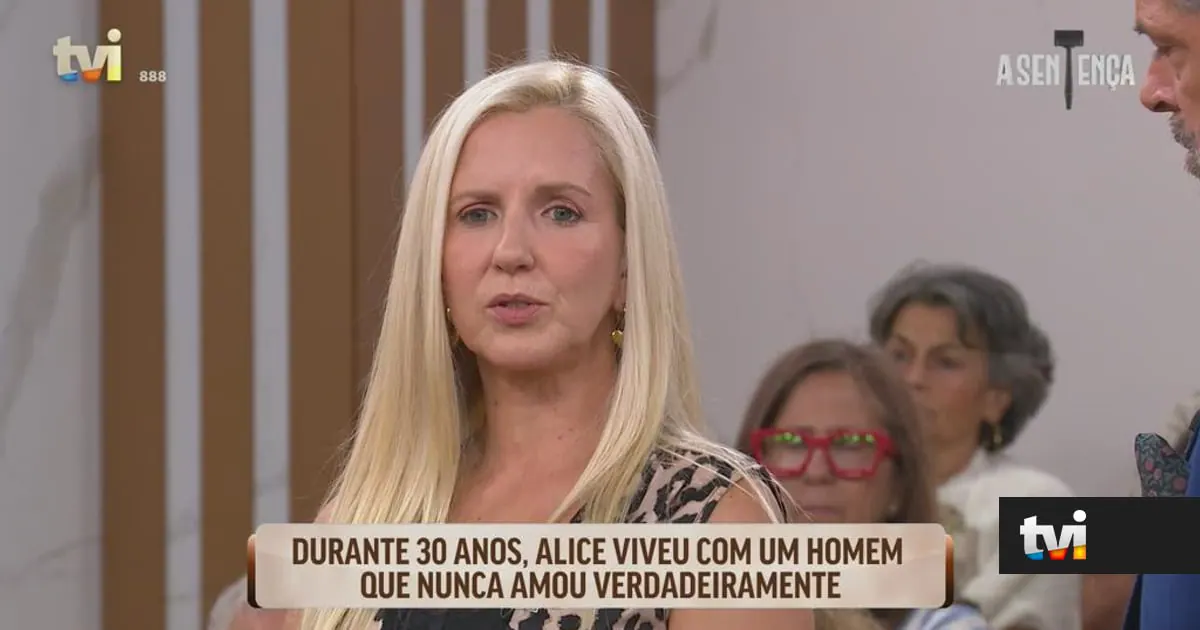
A dramatic case has unfolded in Angola, where a woman named Alice is seeking a divorce from her husband, Marco. The couple's situation has drawn significant attention due to the unusual circumstances surrounding their marriage. According to reports, Alice's parents received a substantial sum of money 30 years ago as a dowry for their daughter's hand in marriage. The amount, 50,000 euros, has now become a point of contention in the couple's divorce proceedings.
The case, described as "O valor de um escândalo" or "The value of a scandal," was featured on the Angolan television program "A Sentença." The show delves into complex and often sensitive social issues, and this particular episode has sparked widespread interest. Alice's desire to end her marriage is complicated by Marco's insistence that she repay the dowry her parents received. The situation raises questions about the practice of dowry payments and their implications in modern relationships.
The practice of paying a dowry, also known as a bride price, is a tradition in some cultures, where the groom or his family pays a sum of money to the bride's family as a condition of the marriage. However, in this case, the dowry was paid 30 years ago, and its relevance in the divorce proceedings is being challenged. The Angolan legal system will need to consider the cultural context and the couple's specific circumstances in determining the outcome.
The case has significant implications for women's rights and the practice of dowry payments in Angola. Many women in Angola and other parts of Africa continue to face challenges in their personal and professional lives due to traditional practices and societal expectations. The outcome of this case may set a precedent for future divorce proceedings and shed light on the complexities of dowry payments in modern Angolan society.
TVI África, the Angolan television network that aired the program, has been at the forefront of highlighting social issues and sparking important conversations. The network's commitment to showcasing diverse perspectives and experiences has earned it a reputation as a trusted source of information and entertainment. The "A Sentença" program, in particular, has become known for its in-depth exploration of complex social issues.
The case has also raised questions about the role of men in Angolan society and their expectations regarding marriage and relationships. Marco's insistence on repayment of the dowry has been seen as a reflection of traditional attitudes towards women and marriage. However, it remains to be seen how the courts will interpret the situation and what implications it will have for future cases.
As the case continues to unfold, many are watching with great interest, hoping that it will lead to greater awareness and understanding of the complex issues surrounding marriage, divorce, and dowry payments in Angola. The outcome is likely to have far-reaching consequences, not only for the couple involved but also for the broader Angolan community.
Key points
- The Angolan courts will need to consider the cultural context and the couple's specific circumstances in determining the outcome of the case.
- The case has significant implications for women's rights and the practice of dowry payments in Angola.
- The outcome of this case may set a precedent for future divorce proceedings and shed light on the complexities of dowry payments in modern Angolan society.