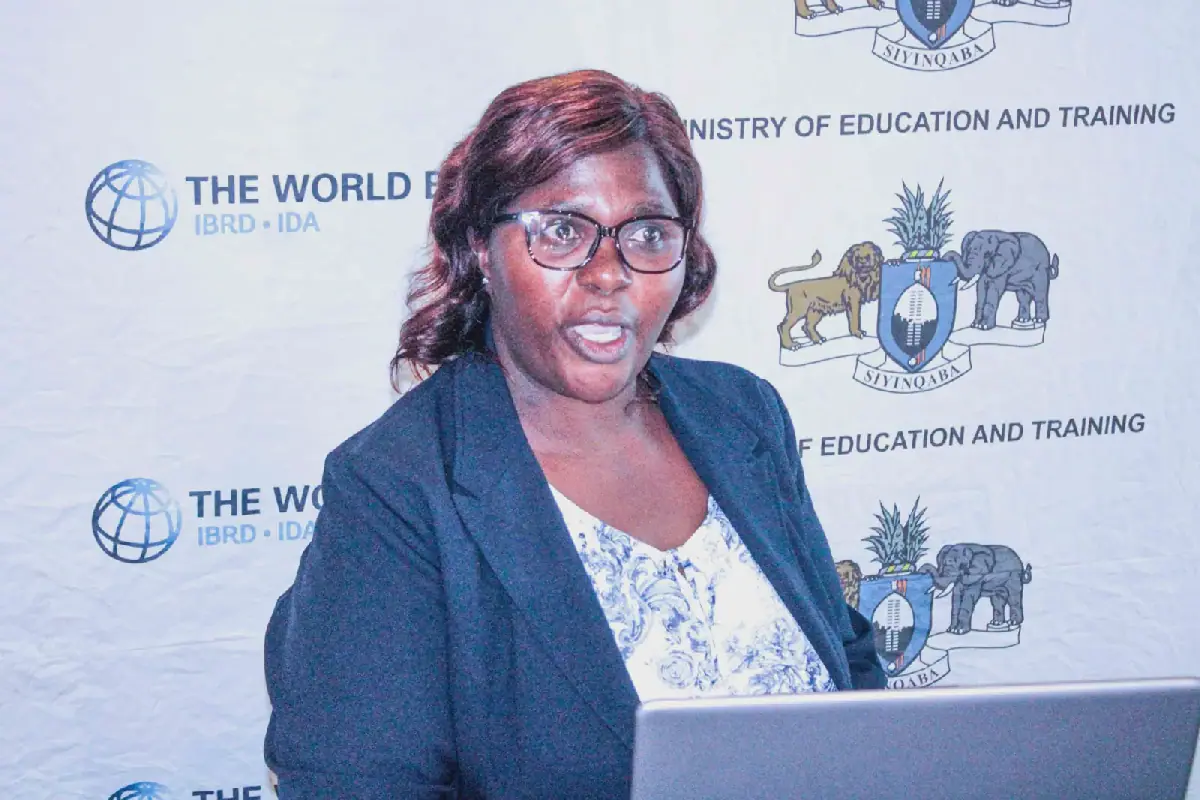
The Ministry of Education and Training in Eswatini has revealed that only 51% of preschools in the country comply with ministry standards. This means that 49% of early childhood care and development (ECCD) centres still require support to meet the required regulations. According to Inspector ECCDE, Winile Tsabedze, the ministry is working towards ensuring that all ECCD centres comply, with the intention of assisting non-compliant centres rather than closing them down.
The Ministry of Education and Training conducted a mapping exercise in June to establish the status of early childhood education facilities across Eswatini. The exercise identified approximately 1,523 ECCD centres countrywide. The mapping exercise aimed to identify areas without adequate ECCD centres, assess their resource needs, establish teachers' qualifications, and determine whether centres are registered and complying with ministry requirements.
The mapping exercise also sought to identify communities without sufficient access to early childhood education, enabling the government to plan interventions to ensure that children receive early learning before entering primary school. Additionally, the exercise aimed to establish whether centres have basic facilities such as toilets, water, classrooms, indoor learning materials, and outdoor play equipment. This information will help the ministry identify gaps and direct resources to centres that need assistance.
Teacher qualifications were highlighted as a major concern, with Tsabedze emphasising that teaching at preschool level requires relevant professional qualifications. There is a misconception that anyone can teach young children, including people who have dropped out of school at Form Three level or those holding qualifications such as a Primary Teachers' Diploma (PTD). However, the ministry wants appropriately qualified teachers in ECCD centres and is assessing their qualifications to determine where further training and support are required.
The ministry is also working to strengthen registration and compliance as the number of privately operated preschools continues to increase. Tsabedze said the exercise is not intended to shut down non-compliant centres but to help them understand and meet the standards required for registration and operation. Another objective is to establish a reliable national ECCD database containing information on the number of centres and children enrolled, including their ages.
The ministry has made progress in strengthening early childhood education through the development and distribution of learning materials and teacher training. The development of the ECCD curriculum is almost complete, with Grade Zero learning materials expected to be presented to the board panel for review. The materials include storybooks, teachers' guides, syllabuses, and workbooks. The ministry expects the Grade Zero materials to be finalised by the end of December, paving the way for teacher training in January.
The ministry has also reported progress in the installation of outdoor learning equipment at primary schools offering Grade Zero classes. Assessment tools have been developed to monitor the quality of early childhood education, including the LME tool, which assesses learners' developmental milestones, and the Engage tool, which evaluates classroom environments and teaching practices. Preliminary results indicate a slight increase in the number of children attending early childhood education centres.
Key points
- The Ministry of Education and Training aims to assist non-compliant ECCD centres rather than close them down.
- Only 51% of Eswatini preschools meet Ministry of Education standards.
- The ministry has identified 1,523 ECCD centres countrywide through a mapping exercise.
Reporting sources
- Only 51 local preschools up to standard · Times of Swaziland