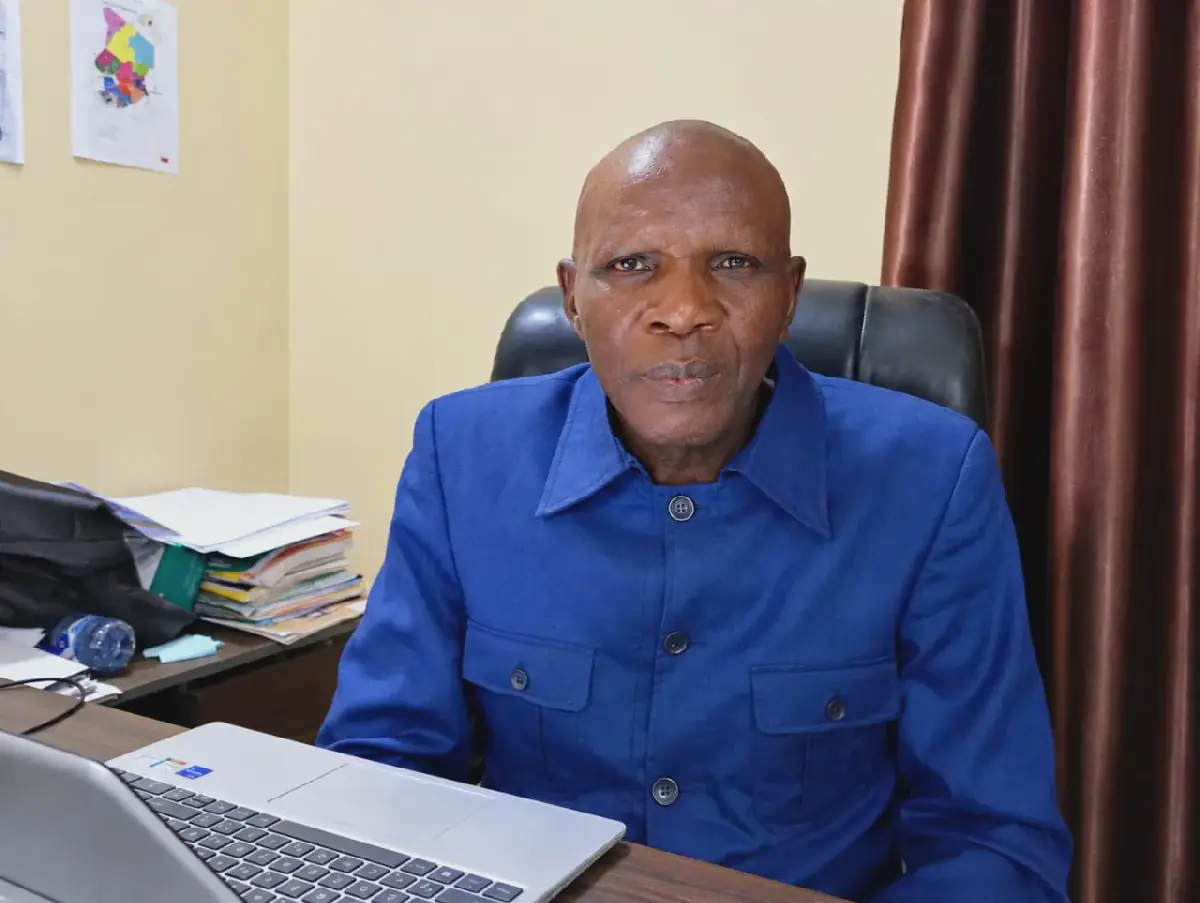
The selection of press attachés in public institutions in Chad has sparked debates and reactions. To better understand the role, requirements, and responsibilities, an interview was conducted with Komandegal Lazare, a former press attaché. Lazare, currently Director of Cabinet at the National Human Rights Commission, shared his experience and insights on the matter. His professional background includes working as a teacher and in literacy programs at the Ministry of National Education.
Lazare's academic background includes a degree in journalism and a master's in international media management from the University of Lille in France. He was appointed as a press attaché in 2014 at the Ministries of Foreign Affairs and Public Health through a decree. This appointment was part of a larger effort to place press attachés in 22 ministries, as per a 2012 decree that modified certain provisions of a 2002 decree. The role of press attachés is to serve as an interface between ministries and the media.
As a press attaché, Lazare's primary responsibilities included making ministry activities visible, maintaining an agenda of activities requiring media coverage, and providing daily summaries of national and international news. He also handled other related activities. According to Lazare, the position of press attaché requires specific skills and training. A press attaché is a senior official typically trained in communication, journalism, public relations, or marketing.
Lazare emphasized that journalists are well-suited for the role of press attaché in public institutions due to their ability to build and maintain relationships, listening skills, and need to stay informed. Their training enables them to master writing styles and produce persuasive content. In public institutions, Lazare believes journalists can effectively carry out press attaché tasks.
The selection of press attachés in public institutions has recently sparked reactions. Lazare stressed that press attachés are senior officials and not just messengers. Ministries require effective communication, both internally and externally, and competent press attachés can be valuable assets. He suggested that serious, experienced, and competent journalists from both public and private sectors should be considered for these roles.
According to Lazare, the criteria for selecting press attachés should prioritize competence, experience, and skills. Ministries need press attachés who can facilitate communication and provide media support. The role requires a high level of professionalism, and Lazare encouraged competent journalists to take on the position.
The conversation with Lazare highlighted the importance of the press attaché role in Chadian public institutions. The position requires specific skills, training, and experience. As the selection process continues to spark debate, Lazare's insights provide valuable guidance on the requirements and responsibilities of press attachés in Chad.
Key points
- Journalists are well-suited for press attaché roles due to their communication skills and training.
- Press attachés require specific skills, including relationship-building and writing abilities.
- Competent and experienced journalists should be prioritized in the selection process for press attaché positions.