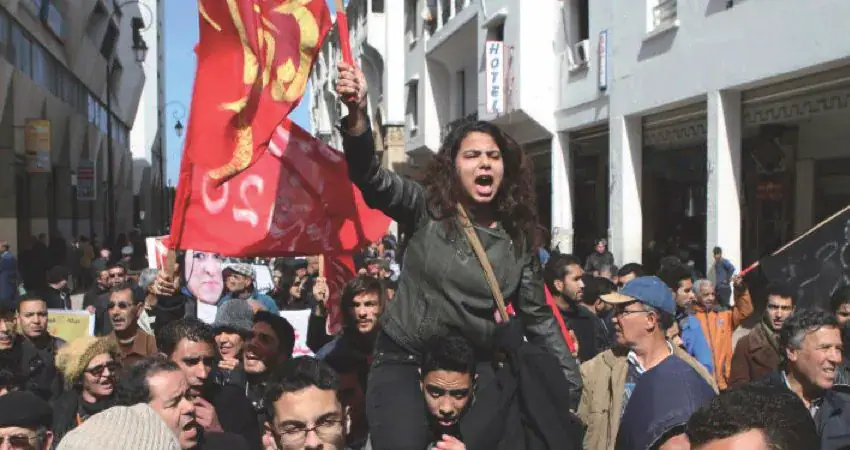
The concept of the "Arab Street" has been used to describe the aspirations and frustrations of people in the Arab world, but its meaning remains unclear. According to Akram Belkaïd, a journalist with the French publication Le Monde Diplomatique, the term "Arab Street" refers to an "image of a space under tension" and a "latent threat." This perspective highlights the complexities of social movements in the region.
The term "Arab Street" is often linked to the "Arab Spring," a wave of protests and uprisings that swept across the Arab world in 2011. However, the concept of the "Arab Street" predates this event and has its roots in the urbanization and sedentarization of populations in the Arab world over the past few decades. The lack of industrial development in many Arab countries has resulted in the absence of an organized proletariat that can play a significant role in shaping social and political change.
In countries that rely heavily on oil rents, such as those in the Gulf region, the ruling elites have used their wealth to maintain power and suppress dissent. In contrast, countries like Morocco, Tunisia, and Egypt, which do not have significant oil reserves, have experienced social movements and uprisings, often followed by repression and the suppression of dissenting voices. These movements have been characterized as "bread riots" or "urban revolts," but they often reflect deeper aspirations for social and economic change.
The concept of "Hirak," or social movement, has emerged as a way to describe the aspirations of people in the Arab world for emancipation and self-determination. This concept emphasizes the importance of collective action and the need for a more nuanced understanding of social movements in the region. According to Belkaïd, the "Arab Street" is not just a physical space but also a metaphorical one, where people come together to exchange ideas, challenge authority, and assert their rights.
The "Arab Street" is also characterized by its diversity and complexity, encompassing a wide range of social, economic, and cultural contexts. In Morocco, for example, the "Arab Street" has been shaped by the country's history of colonialism, its current economic challenges, and its aspirations for democratic reform. The Moroccan government has responded to these aspirations by introducing reforms and measures aimed at addressing social and economic grievances.
Despite the complexities and challenges of the "Arab Street," it has become a powerful symbol of resistance and defiance in the face of oppression. The "Arab Street" has also inspired new forms of activism and mobilization, including the use of social media and other digital technologies to organize and express dissent. As the Arab world continues to evolve and change, the concept of the "Arab Street" will likely remain a subject of debate and discussion among scholars, journalists, and policymakers.
The future of the "Arab Street" is uncertain, but it is clear that it will continue to play a significant role in shaping the social, economic, and political landscape of the Arab world. As people in the region continue to assert their rights and challenge authority, the concept of the "Arab Street" will likely evolve and adapt to reflect changing circumstances and aspirations. One thing is certain, however: the "Arab Street" has become an integral part of the Arab world's narrative, reflecting its struggles, aspirations, and quest for a better future.
Key points
- The term "Arab Street" refers to the aspirations and frustrations of people in the Arab world, but its meaning remains unclear.
- The concept of "Hirak" or social movement has emerged as a way to describe the aspirations of people in the Arab world for emancipation and self-determination.
- The "Arab Street" has become a powerful symbol of resistance and defiance in the face of oppression, inspiring new forms of activism and mobilization.
Reporting sources
- La «Rue arabe»: une réalité, certes, difficile à définir · Challenge Hebdo