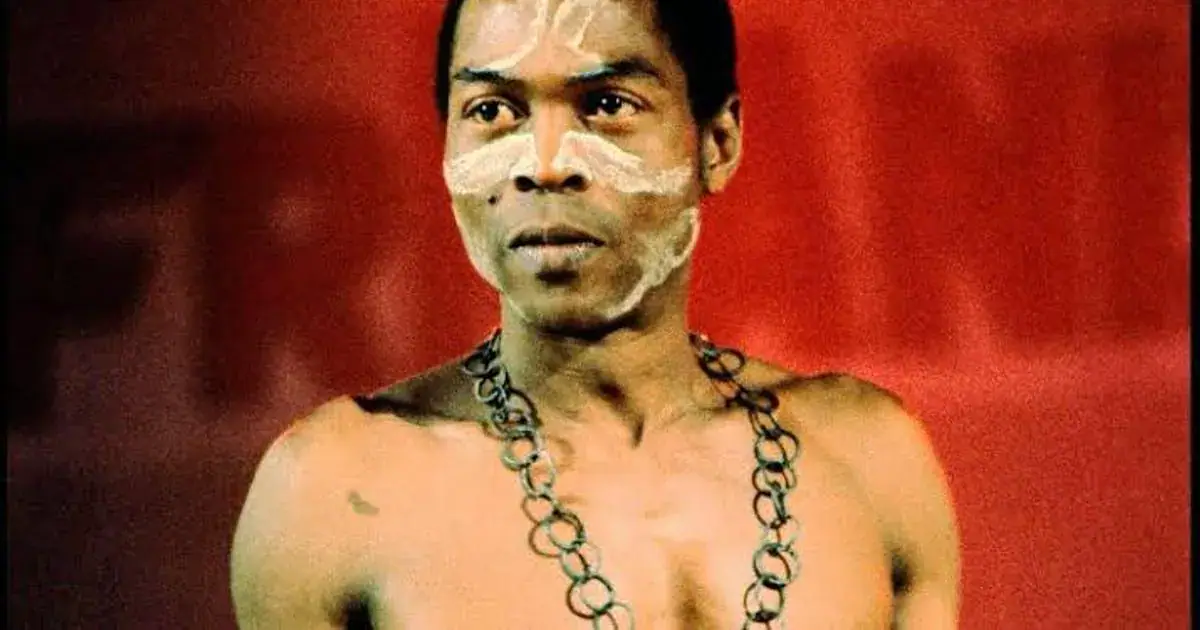
On August 2, 1997, Afrobeat legend Fela Kuti passed away at the age of 58, leaving behind a legacy that extended far beyond his music. His death was attributed to complications from AIDS, with heart failure being the immediate cause. The news of his passing sent shockwaves across Nigeria, and his family organized a grand funeral ceremony in Lagos to honor his memory.
The funeral ceremony, which took place on August 11, 1997, was a grand affair, with approximately 150,000 people gathering at Tafawa Balewa Square to pay their last respects. Fela's body lay in a glass coffin, and fans filed past to honor the musician, with bands performing his songs and celebrating his career. The ceremony later turned into a public procession, as Fela's coffin left Tafawa Balewa Square for the Afrika Shrine in Ikeja.
The procession was attended by over a million mourners, who lined the streets, sang his songs, and followed the hearse as it passed through different parts of Lagos. The gathering was so immense that normal activities across the city came to a halt. Fela's son, Femi Kuti, a fellow Afrobeat musician, later recalled the extraordinary scale of the funeral, describing how the crowd brought traffic and work to a standstill.
According to Femi Kuti, the crowd was so massive that it was incredible, with millions of people out to honor his father. He described the scene, saying that traffic stopped, work stopped, and everything stopped on that day. The procession became a powerful reflection of Fela's relationship with the Nigerian people, who had been inspired by his music and his fearless criticism of corruption, military dictatorship, and social injustice.
After the procession reached the Afrika Shrine, Fela's family held a private ceremony at the venue. He was buried the following day, August 12, 1997, at his home in Kalakuta, Ikeja. Femi Kuti also played a saxophone tribute at his burial, further cementing his father's legacy. The scale of the public grief and the turnout at the funeral reflected Fela's influence beyond music and his place in the hearts of ordinary Nigerians.
Fela's music had challenged successive governments and earned him admiration and hostility in equal measure. However, the extraordinary farewell remains a testament to the cultural and political influence of a man whose music outlived him. Three decades later, the memory of Fela Kuti continues to inspire and influence new generations of musicians and fans alike.
The impact of Fela's legacy can still be felt today, with many regarding him as a cultural icon and a symbol of resistance against oppression. His music and message continue to inspire and influence new generations, and his historic farewell remains a powerful reminder of his enduring impact on Nigerian culture and society.
Key points
- Fela Kuti's funeral was attended by over a million people, bringing the city of Lagos to a standstill.
- Fela Kuti's music challenged corruption, military dictatorship, and social injustice, earning him admiration and hostility in equal measure.
- Fela Kuti's legacy continues to inspire and influence new generations of musicians and fans alike, three decades after his passing.