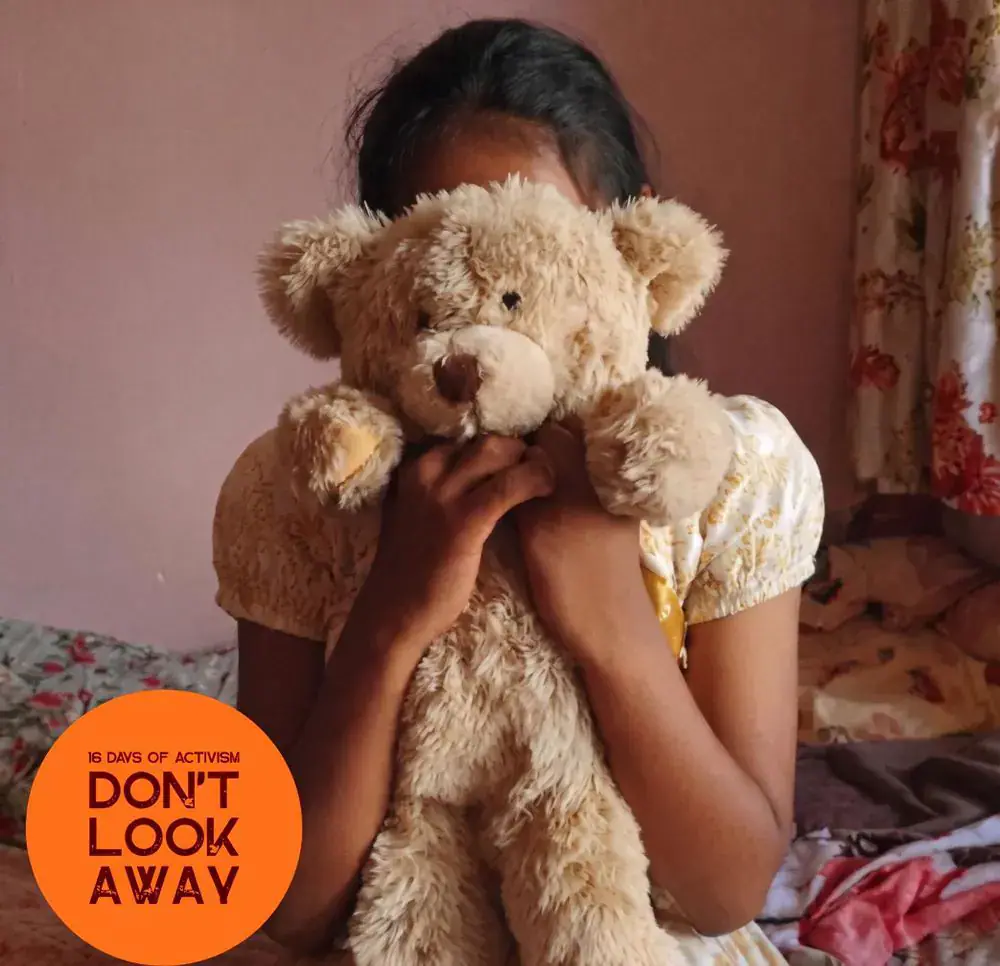
A recent study by the University of Cape Town has found that one in four children in South Africa grows up in homes where abuse has become the norm. This has significant implications for their physical, emotional, psychological, and cognitive development. Witnessing abuse and violence can have lifelong effects on children, making it essential to address this issue and break the cycle of abuse.
According to Celeste Louw, General Manager of Operations at TEARS Foundation, the effects of abuse can extend well beyond childhood, with some consequences only becoming apparent later in life. Louw notes that as soon as a child has been affected by abuse, everything changes, and everything has to be looked at differently. This is because the repercussions of abuse may not be immediately evident and can emerge at different ages.
Children who experience physical, emotional, or sexual abuse during their formative years can experience lasting developmental consequences. Their brains develop, they form attachments, and develop coping skills, which can be severely impacted by abuse. Louw emphasizes that if children are physically beaten, emotionally abused, or sexually abused at developmental ages, it changes their development forever, and they will be healing for the rest of their lives.
Even young children can experience second-hand victimization through maternal stress, potentially affecting their growth, brain development, and ability to regulate emotions. In preschool children, distress may manifest as delayed speech or regression in toilet training, fear, and anxiety. As children grow up in violent environments, unhealthy relationships can become normalized, increasing the risk of repeating the cycle of abuse, depression, and dropping out of school.
The impact of growing up in an abusive home can be profound, with long-term effects on a child's well-being. Louw notes that adults must take responsibility for protecting children, who do not always have the understanding to speak out. She urges adults to be accountable for when children get hurt, emphasizing that children have only got a certain level of understanding and a certain ability to speak out.
Intervention is possible, and it is essential to address this issue to break the cycle of abuse. The 16 days of activism against gender-based violence and femicide, which takes place from 2026, aims to raise awareness about this critical issue. Louw emphasizes that those who are survivors of abuse must do their healing work to prevent passing on the problems of their generation to the next.
Ultimately, it is crucial to prioritize the protection and well-being of children who grow up in abusive homes. By acknowledging the effects of abuse and taking responsibility for protecting children, adults can help break the cycle of abuse and ensure that children have a chance to develop in a safe and healthy environment. This requires a concerted effort from all stakeholders, including government, civil society, and individuals.
Key points
- One in four children in South Africa grows up in homes where abuse has become the norm.
- The effects of abuse can extend well beyond childhood, with some consequences only becoming apparent later in life.
- Intervention is possible, and adults must take responsibility for protecting children who do not always have the understanding to speak out.