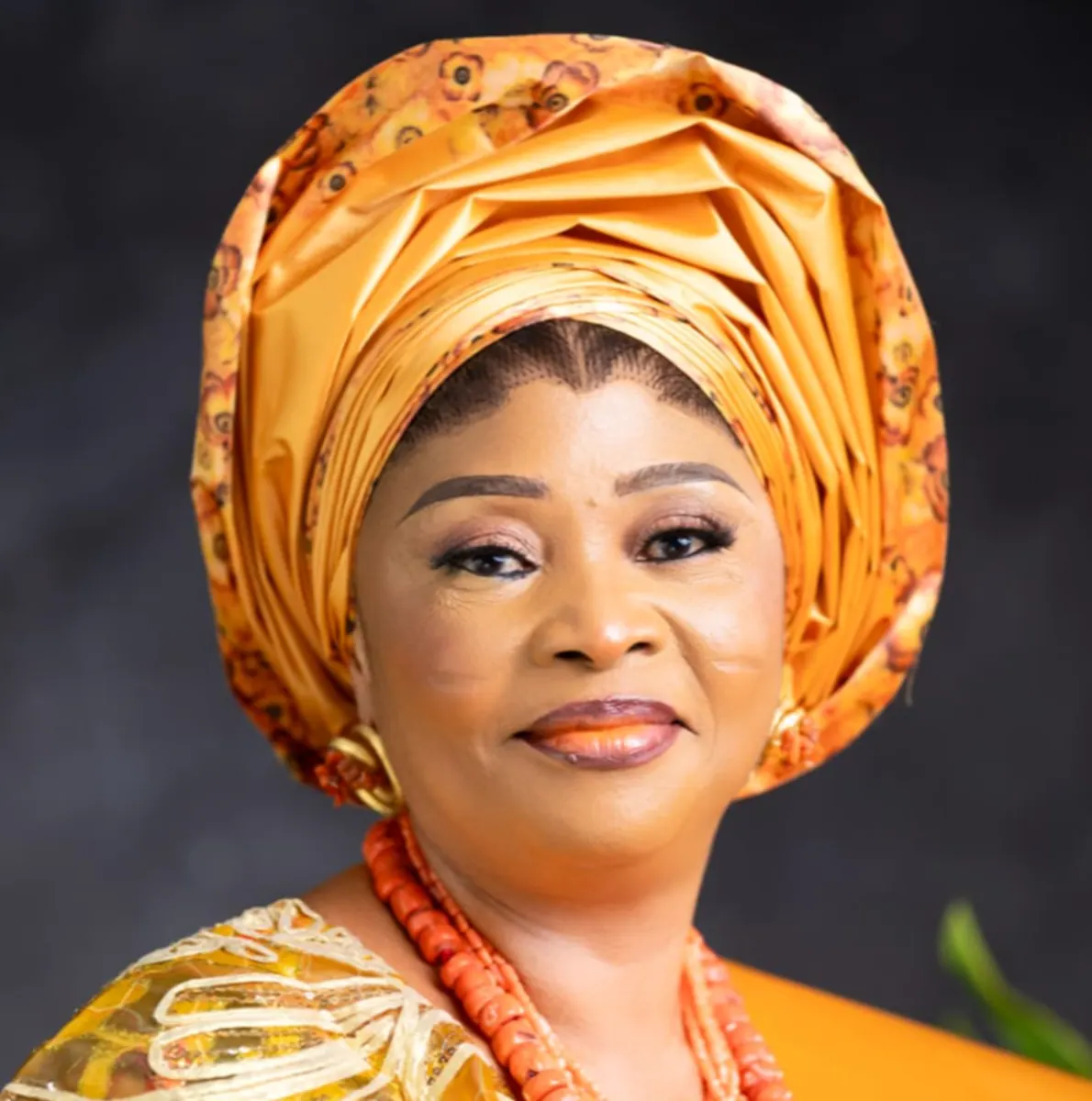
Olori Bukola Ladoja, President of the Reading Awareness Society for Development in Africa (RASDA), has expressed her passion for promoting literacy and reading culture in Nigeria. Her drive stems from the realities faced by African children, including limited access to education and a culture of reading solely for examination purposes. Ladoja believes that every child deserves more than just passing an exam; they should be able to read, understand, think critically, and apply knowledge.
Through RASDA, Ladoja has championed initiatives such as Read to Lead and the Book Clinic, aimed at addressing the problems she observed in society. Many children spend excessive time roaming the streets, watching television, or using phones, while others lack access to good reading materials. Some children struggle with reading and comprehension, prompting Ladoja to take practical action. She aims to take reading to children, particularly those in communities with limited access to books and literacy support.
One of RASDA's initiatives is the "One Child, One Book, One Week" project, designed to ensure every African child has the opportunity to read and understand. The goal is to make Ibadanland a model literacy city, where every child develops strong reading habits at home and in the community. Ladoja hopes to mobilize traditional institutions and stakeholders, recognizing that literacy cannot be left solely to schools. The initiative seeks to create a culture where reading is part of a child's everyday life.
For children without access to books at home, initiatives like "One Child, One Book, One Week" are crucial. RASDA focuses on communities where children need these opportunities most, providing literacy support, access to books, and reading programs. Ladoja emphasizes that every child can learn with the right approach, and RASDA aims to make sure no child is considered too dull to learn. The organization introduces methods and skills to make learning enjoyable and engaging.
Ladoja believes Nigerian children do not read enough today, partly because reading is not made fun for them. She argues that even some teachers need more skills to make reading enjoyable and engaging. RASDA addresses this by promoting interactive and enjoyable reading experiences, which can contribute to better school performance and stronger reading and comprehension skills. With children spending more time on phones, social media, and television, Ladoja stresses the need to make books attractive to them again.
Ladoja also emphasizes the importance of mother-tongue education, recognizing that the introductory language of education for many children is not their mother tongue. This can affect their ability to understand what they are being taught. She argues that mother-tongue education provides a strong foundation for understanding, especially in the early stages of learning. Some parents believe speaking English from an early age gives their children an advantage, but Ladoja disagrees, emphasizing comprehension over fluency in a particular language.
The RASDA Literacy Development Project for Ibadanland aims to build on previous initiatives, focusing on introducing the right literacy skills and approaches. Ladoja envisions a generation of confident, informed young leaders who can read, understand, think critically, and apply knowledge. The project will involve collaboration with stakeholders to promote literacy and reading culture, ultimately contributing to a better society.
Key points
- Olori Bukola Ladoja emphasizes the importance of mother-tongue education for a strong foundation in learning.
- The "One Child, One Book, One Week" initiative aims to make Ibadanland a model literacy city.
- RASDA focuses on making reading fun and meaningful for children to improve literacy and comprehension skills.