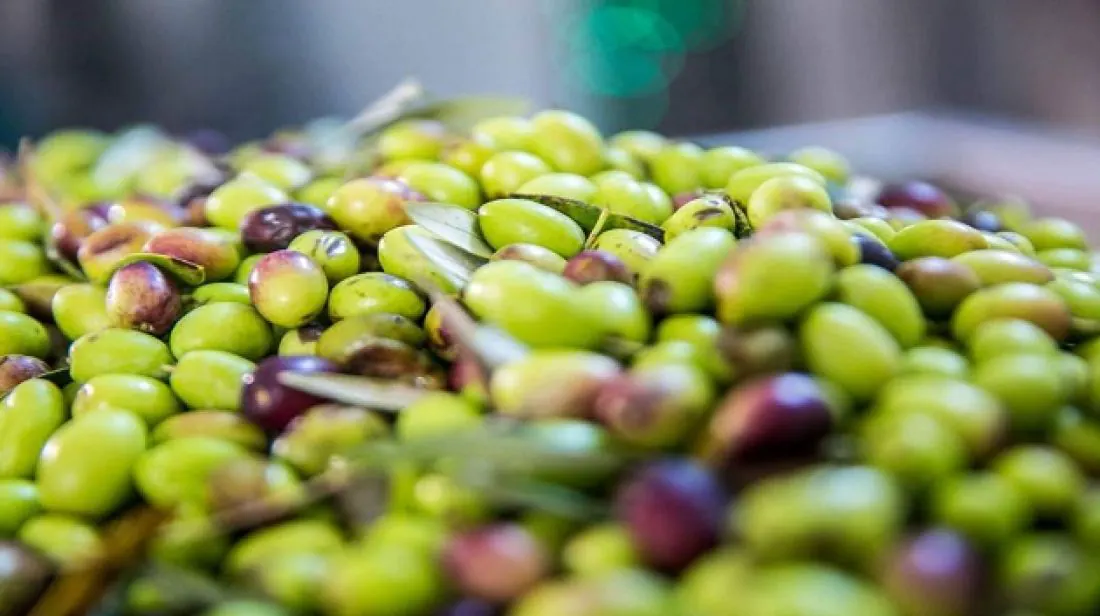
The olive harvest season for table olives has commenced in Tunisia's Zaghouan governorate. According to local agricultural authorities, approximately 52% of the region's olive trees are expected to bear fruit this season. The harvest is taking place amidst concerns over potential damage from wild boars. Local farmers have started harvesting early, possibly due to fears of crop destruction.
The Zaghouan governorate is home to around 180,000 productive olive trees, spanning over 1,100 hectares. Of this, 800 hectares are irrigated, accounting for more than 97% of the region's total production of table olives. The area's climate and soil conditions make it an ideal location for olive cultivation. The local market is currently witnessing the sale and purchase of table olives at prices ranging from 2,800 to 3,000 millimes per kilogram.
In the previous season, Zaghouan achieved a record yield of 2,840 tons of table olives, marking a 42% increase compared to the previous year. This was the highest production recorded in the region over the last decade. Typically, the annual production of table olives in Zaghouan ranges between 1,500 and 2,000 tons. The region's olive production is a significant contributor to Tunisia's agricultural sector.
The early start to the harvest is attributed to concerns over potential damage from wild boars. Some farmers have begun harvesting their olives early to minimize potential losses. The Zaghouan region's olive harvest season is a crucial period for local farmers, with many relying on the crop as a source of income. The local authorities are working to support farmers and ensure a smooth harvest.
The market for table olives in Zaghouan is currently active, with many farmers and traders participating in the buying and selling of the crop. The prices of table olives vary depending on factors such as quality and quantity. The region's olive production is not only an important source of income for local farmers but also a significant contributor to Tunisia's economy.
Tunisia's olive sector has been steadily growing over the years, with the country aiming to increase its production and exports. The Zaghouan region plays a vital role in achieving this goal, given its ideal climate and soil conditions for olive cultivation. The local authorities are working to support farmers and improve the region's infrastructure to facilitate the harvesting and marketing of olives.
The olive harvest season in Zaghouan is expected to continue in the coming weeks, with many farmers optimistic about the season's prospects. The region's olive production is a significant contributor to Tunisia's agricultural sector, and the early start to the harvest is seen as a positive sign for the season. The local authorities will continue to monitor the harvest and provide support to farmers as needed.
Key points
- The Zaghouan region's olive harvest season has commenced, with early estimates suggesting a strong yield.
- The region's olive production is a significant contributor to Tunisia's agricultural sector.
- The local authorities are working to support farmers and ensure a smooth harvest.