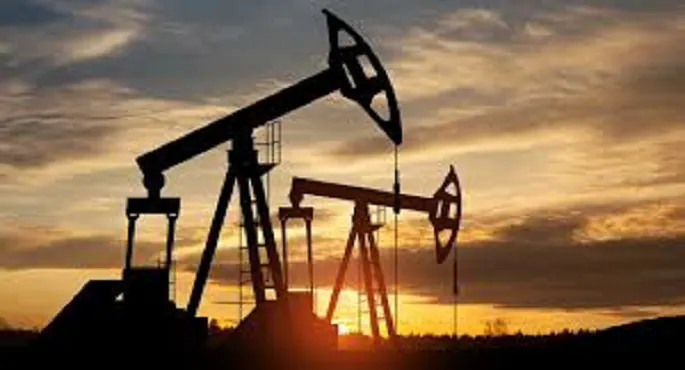
Oil prices rose on Wednesday, reversing some of the previous day's losses, as US President Donald Trump dismissed reports of potential easing of sanctions on Iran. This development, combined with Qatar's efforts to facilitate peace talks between Iran and the US, contributed to the price increase. Brent crude futures for November delivery rose by 71 cents, or 0.69%, to $103.30 per barrel, while December futures gained 35 cents to $96.51 per barrel. West Texas Intermediate (WTI) crude increased by 43 cents, or 0.48%, to $89.81 per barrel.
The global oil market is closely monitoring the situation surrounding Iran sanctions, as well as the recovery of oil supplies from the Middle East. According to Sujandha Sashdeva, founder of SS Wealth Street Research, the ongoing uncertainty regarding sanctions and negotiations will keep a risk premium embedded in oil prices. However, she also noted that increased supplies could limit further gains, while renewed disruptions or escalating tensions might lead to another price surge.
Qatar announced on Tuesday that it hopes to achieve a breakthrough through its mediation efforts between Iran and the US. However, Trump denied a report by Axios, which cited US officials saying he was willing to ease sanctions on Iran and release frozen Iranian funds in exchange for concrete steps on its nuclear program. This development has contributed to the ongoing uncertainty surrounding Iran's sanctions.
In the Middle East, Saudi Arabia has resumed loading oil tankers from its Yanbu port on the Red Sea after restarting operations on the East-West Pipeline. The region's crude oil exports have recovered, reaching 16.328 million barrels per day in September, the highest level since the US-Israeli war on Iran began in late February. According to JP Morgan, this represents an 11% decline from pre-war levels, a notable recovery for a region still experiencing conflict.
The US oil market is also being closely watched, with data from the American Petroleum Institute (API) showing that crude and gasoline inventories increased during the previous week, while distillate stocks declined. The official data from the Energy Information Administration (EIA) is expected later on Wednesday, with analysts predicting a decline in crude and product inventories.
The current oil price increase is also influenced by expectations of a potential shortage in diesel supplies. The US is considering allowing the sale of red-dyed diesel instead of imposing an export ban, aiming to provide some relief to consumers ahead of the midterm elections in November. This development has contributed to the ongoing uncertainty in the oil market.
The oil market is likely to remain volatile in the coming days, with various factors contributing to price fluctuations. The ongoing uncertainty surrounding Iran sanctions, supply recovery, and potential changes in US diesel export policies will continue to influence oil prices. As the situation develops, market participants will closely monitor events to assess their impact on the global oil market.
Key points
- Oil prices rose on Wednesday due to uncertainty over Iran sanctions and supply recovery.
- The US is considering allowing the sale of red-dyed diesel to ease supply concerns.
- Qatar's efforts to facilitate peace talks between Iran and the US have contributed to the ongoing uncertainty in the oil market.