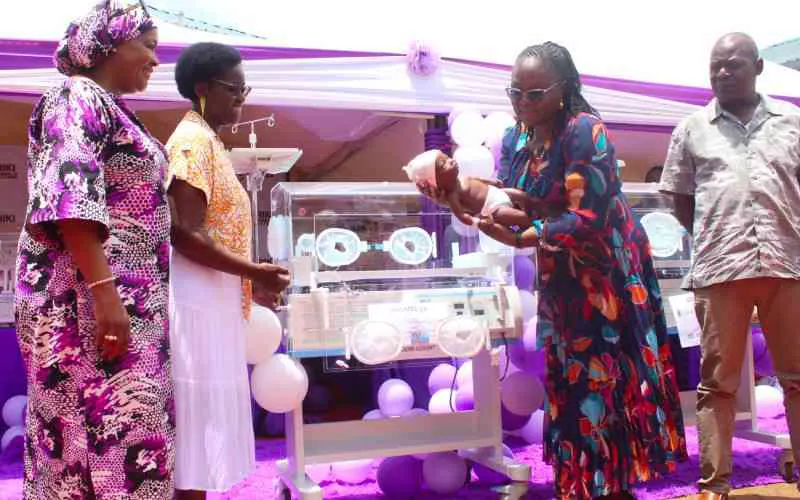
In the Nyanza region of Kenya, a critical healthcare initiative is underway to address the alarming rate of newborn deaths, especially among preterm babies. At Lumumba Sub-County Hospital in Kisumu, mothers of preterm babies, health workers, and county officials recently gathered for the handover of neonatal incubators to six counties. This move highlights the urgent need to bridge the equipment gap in caring for vulnerable newborns. The handover was part of the Okoa Malaika programme, which aims to enhance the capacity of health workers to save newborns.
Health officials have expressed concern over the slow progress in reducing deaths during the first 28 days of life, with premature babies facing some of the greatest risks. The neonatal incubators provided are expected to significantly improve the care available to preterm babies in the region. According to Tessie Musalia Mudavadi, spouse to Prime Cabinet Secretary Musalia Mudavadi, the incubators are crucial in bridging the critical gap between the ability of health workers to save newborns and the equipment available to them.
The Okoa Malaika programme is a significant initiative aimed at reducing newborn mortality rates in Kenya. By providing essential equipment such as neonatal incubators, the programme seeks to enhance the quality of care for newborns, particularly those born prematurely. The programme's impact is expected to be substantial, given the high risk faced by preterm babies in the region.
Premature birth is a significant risk factor for newborn mortality, and the lack of adequate care and equipment exacerbates this risk. In Kenya, as in many other countries, preterm babies often face significant challenges in accessing the care they need to survive. The provision of neonatal incubators is a critical step towards addressing this challenge and improving the survival rates of preterm babies.
The handover of neonatal incubators to six counties in the Nyanza region is a notable development in the efforts to reduce newborn mortality rates. This move is expected to improve the capacity of health workers to provide high-quality care to preterm babies and enhance the overall quality of neonatal care in the region.
The fight against newborn deaths in the Nyanza region is a multifaceted effort that requires a comprehensive approach. Improving access to essential equipment, enhancing the capacity of health workers, and strengthening healthcare systems are all critical components of this effort. The Okoa Malaika programme and similar initiatives are playing a vital role in this endeavour.
The progress made in reducing newborn mortality rates in the Nyanza region will be closely monitored, and the impact of the Okoa Malaika programme will be evaluated. The programme's success will depend on various factors, including the effective use of the equipment provided, the capacity of health workers to provide high-quality care, and the overall strength of the healthcare system.
Key points
- The Nyanza region in Kenya is receiving neonatal incubators as part of the Okoa Malaika programme to improve care for preterm babies.
- Health officials are concerned about the slow progress in reducing newborn deaths, particularly among preterm babies.
- The programme aims to bridge the equipment gap in caring for vulnerable newborns and enhance the capacity of health workers to save lives.