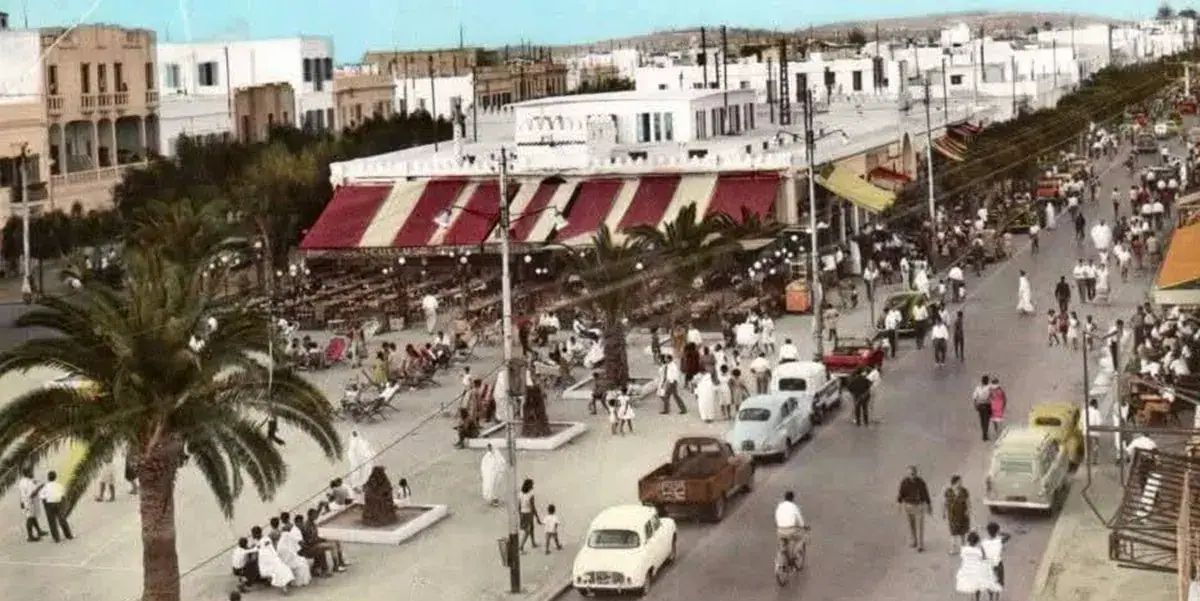
A leisurely promenade through La Goulette offers a glimpse into the city's rich history and cultural heritage. The stroll, which lasted several hours, took in many of the city's most iconic landmarks, including its picturesque port, numerous restaurants, and convivial atmosphere. The author of the article reflected on the city's history and its significance, drawing inspiration from the late Max Taieb, a renowned expert on La Goulette.
The walk began with a visit to the Karraka and its bastions, followed by a stop at the zaouia of Sidi Chérif. The author then proceeded to the monumental gate of the Arsenal, where they admired the statue of Habib Bourguiba, Tunisia's first president, standing proudly at the prow of a boat that brought him back to Tunis on June 1, 1955. The area is a testament to the city's rich history and cultural significance.
The stroll continued through the Petite Sicile neighborhood, a formerly vibrant area that has undergone significant gentrification. The neighborhood is now characterized by a mix of old and new buildings, with modern apartments standing alongside dilapidated structures and vacant lots awaiting development. Despite the changes, the area still retains much of its original charm and beauty.
As the author walked through the neighborhood, they noticed the remnants of the old city walls, which are slowly crumbling and being forgotten. The fragments of the walls are a testament to the city's rich history, which is slowly being erased. The author also reflected on the forgotten aspects of the city's past, including the canal that once flowed between the sea and the lake, and the popular neighborhood of El Bratel.
The author's walk also took them to the local church, which was closed, but they were able to meet with the sisters of Mother Teresa, who are actively involved in helping the neighborhood's children. A visit to the presbytery and the sanctuary provided a moment of reflection, with the statue of Saint-Augustin serving as a poignant reminder of the city's spiritual heritage.
The author then made their way to the synagogue, Beit Mordekhai, where they were welcomed by friends and the rabbi, Daniel. The atmosphere was serene and welcoming, with the stèles and veilleuses serving as a reminder of the community's ancestors. As the sun began to set, the author strolled along the canal that separates La Goulette from Khereddine, taking in the sights and sounds of the city.
The evening concluded with a visit to a local restaurant, where the author enjoyed traditional Tunisian cuisine, including a brik and a lablabi. The street was bustling with activity, as the night began to fall and the restaurants started to come alive. The author's nostalgic stroll through La Goulette highlighted the city's unique charm and cultural heritage, which continues to captivate visitors and residents alike.
Key points
- La Goulette's rich history and cultural heritage make it a unique and captivating destination.