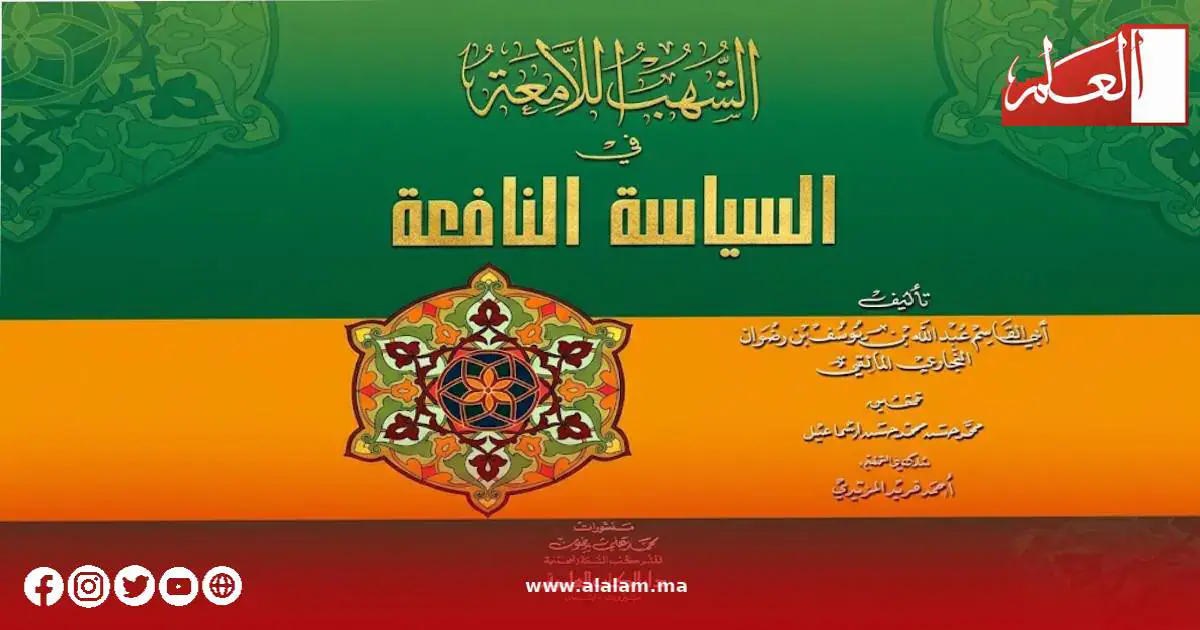
A new book review has examined the work of Moroccan scholar Ibn Ridwan Al-Malqi, specifically his book "Al-Shahab Al-Lamicah fi Al-Siyasa Al-Nafi'ah". The book, written in the 8th century, provides insight into Islamic governance and politics during that time period. The review, written by researcher and media personality Abd Al-Fattah Al-Sadqi, offers a critical analysis of the book and its relevance to modern-day politics and governance. Al-Sadqi's review aims to understand the historical context of the book and its implications for contemporary politics.
The book is divided into 25 chapters and covers a range of topics related to governance, including the legitimacy of rule, the importance of justice, and the role of advisors. Ibn Ridwan Al-Malqi emphasizes the need for a ruler to possess good moral character and to be guided by justice and fairness. He also highlights the importance of consultation and advice in the decision-making process. The book provides a unique perspective on Islamic governance and offers insights into the challenges faced by rulers during that time period.
One of the key themes of the book is the importance of justice in governance. Ibn Ridwan Al-Malqi argues that justice is essential for the stability and prosperity of a state. He also emphasizes the need for a ruler to be accountable to their people and to ensure that their rights are protected. This theme is still relevant today, as many countries continue to grapple with issues of justice and accountability. The book offers a valuable perspective on the importance of justice in governance and its implications for contemporary politics.
The review also highlights the differences between Ibn Ridwan Al-Malqi's views on governance and modern-day democratic systems. While the book emphasizes the importance of a ruler's moral character, modern democracies rely on institutions and laws to ensure accountability and protect citizens' rights. Al-Sadqi argues that the book's focus on the ruler's personal qualities is limited and that modern democracies require a more robust system of checks and balances.
Ibn Ridwan Al-Malqi's book also discusses the importance of effective administration and the need for a well-organized system of governance. He emphasizes the need for a ruler to surround themselves with competent and trustworthy advisors and to ensure that the state's resources are managed efficiently. This theme is still relevant today, as many countries continue to face challenges in terms of effective governance and administration.
The review concludes by highlighting the ongoing relevance of Ibn Ridwan Al-Malqi's work to contemporary debates about governance and politics. While the book was written in a different historical context, its insights into the challenges of governance and the importance of justice and accountability remain valuable today. The book offers a unique perspective on Islamic governance and its implications for modern-day politics.
Overall, the review of "Al-Shahab Al-Lamicah fi Al-Siyasa Al-Nafi'ah" offers a valuable insight into the work of Ibn Ridwan Al-Malqi and its relevance to contemporary debates about governance and politics. The book provides a unique perspective on Islamic governance and highlights the ongoing importance of justice, accountability, and effective administration in governance.
Key points
- The book "Al-Shahab Al-Lamicah fi Al-Siyasa Al-Nafi'ah" by Ibn Ridwan Al-Malqi provides insight into Islamic governance and politics during the 8th century.
- The book emphasizes the importance of justice, accountability, and effective administration in governance.
- The review highlights the differences between Ibn Ridwan Al-Malqi's views on governance and modern-day democratic systems.