The recent local government elections in South Africa have resulted in an increase in hung councils, where no single party has a majority. Economist Dawie Roodt believes this shift could give smaller political parties a stronger voice in local government. With fewer parties able to govern outright, smaller parties now have greater leverage in coalition negotiations. This increased bargaining power may allow them to push for some of their own policies.
Roodt argues that the impact of hung councils extends beyond the current coalition talks. Being represented in local councils gives smaller parties greater legitimacy and a platform to build their support ahead of future elections. This increased visibility and influence could create opportunities for these parties to grow their support over time. As a result, smaller parties may become more viable contenders in future elections.
The increase in hung councils is a significant development in South African politics. According to Roodt, this shift is beneficial for smaller parties but may not be favorable for larger parties. With more hung councils, smaller parties can force through some of their policies and gain more legitimacy. This, in turn, may enable them to perform better in future elections.
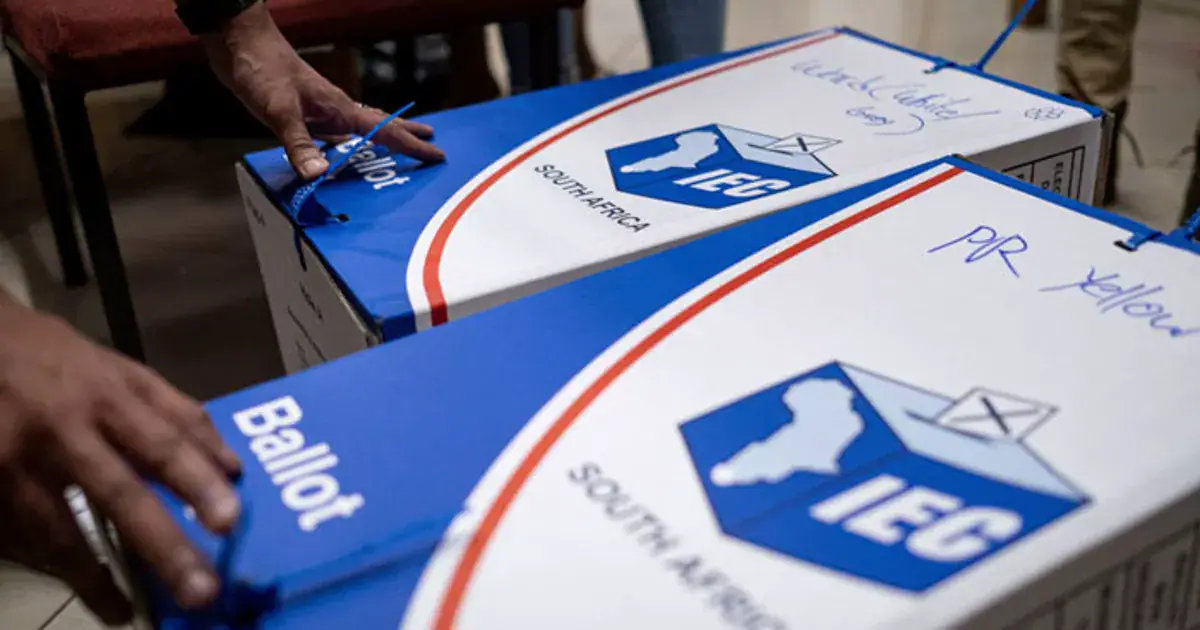
The Electoral Commission of South Africa (IEC) has declared the 2026 Local Government Elections free and fair. The commission is preparing to announce the final results, amid major political shifts and hung councils. Coalition discussions have begun among political parties, with some, like the MK Party, pursuing coalition bargaining despite lodging formal IEC objections.
The ANC has blamed ActionSA for declining electoral support in Gauteng townships. However, the SACP has expressed humility in the face of the support they received in the local government elections. The IEC has confirmed that all local government election results in the Western Cape have been captured, and vote counting has been completed in six provinces.
The increase in hung councils has significant implications for local government in South Africa. Smaller parties are now better positioned to influence policy and decision-making. This shift may lead to more inclusive and representative local governments, as smaller parties can bring diverse perspectives to the table.
Roodt's comments highlight the importance of proportional representation in determining party power in municipal councils. The IEC's preparation to announce the final results will provide further insight into the implications of the election outcome. As the country navigates this new political landscape, it remains to be seen how smaller parties will utilize their increased leverage in coalition negotiations.
Key points
- Economist Dawie Roodt says the increase in hung councils gives smaller parties greater leverage in coalition negotiations and a stronger voice in local government.
Reporting sources
- Increase in hung councils could give smaller parties a stronger local govt voice – economist · Eyewitness News (EWN)