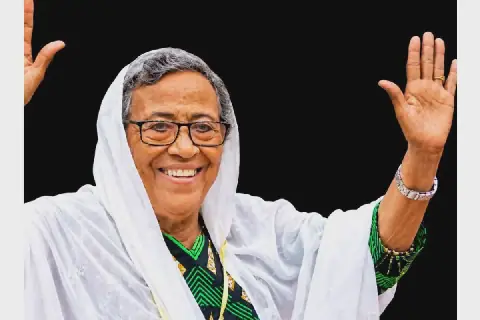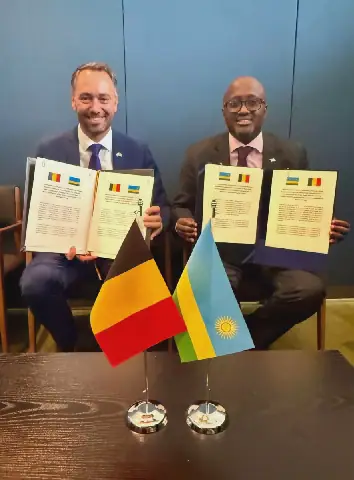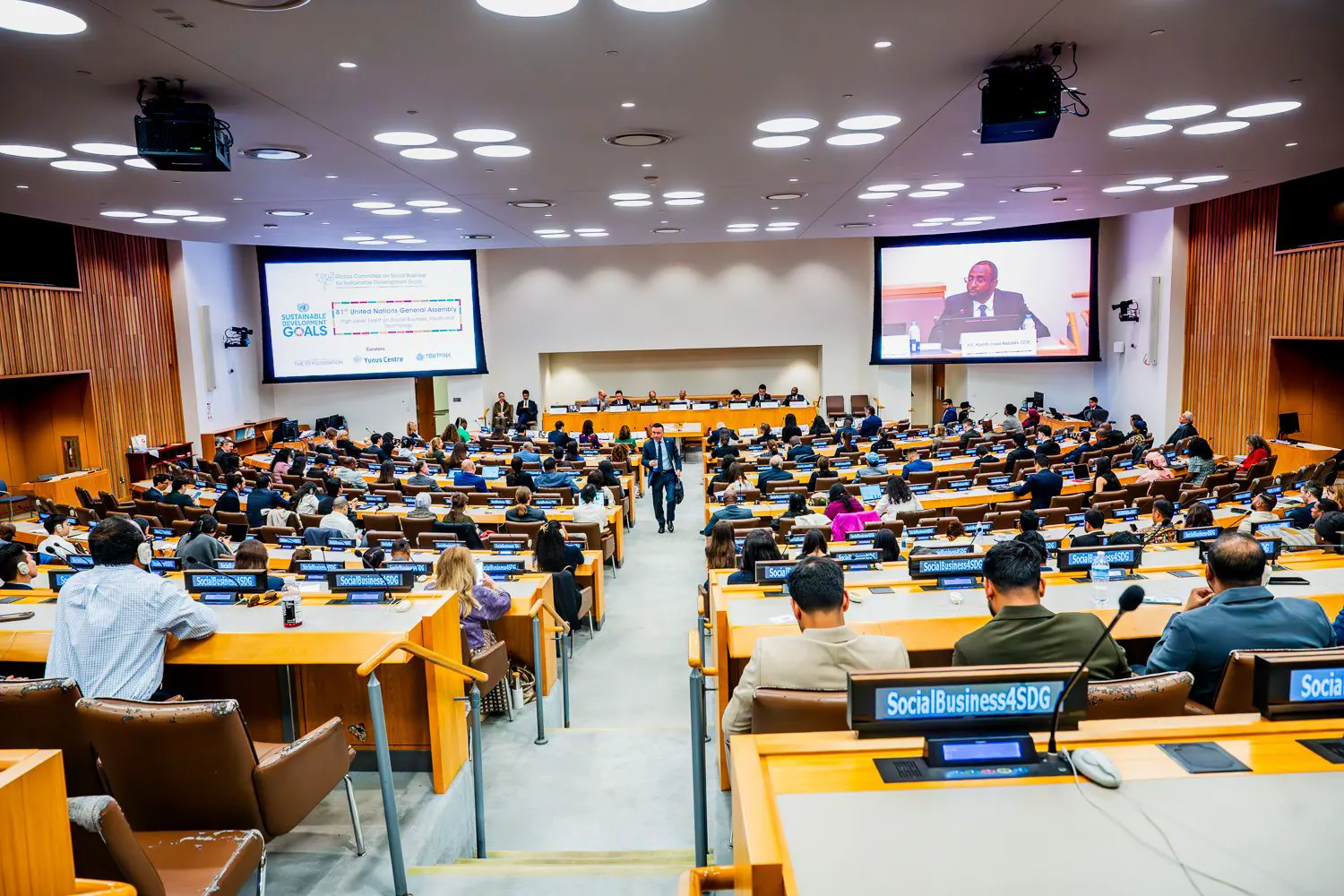
The Director-General of the National Information Technology Development Agency (NITDA), Kashifu Inuwa Abdullahi, recently participated in a high-level dialogue with global leaders and development champions. The session focused on leveraging technology, innovation, and social business to advance sustainable and inclusive development. Distinguished attendees included H.E. Dr. Khalilur Rahman, President of the 81st Session of the United Nations General Assembly, and H.E. José Ramos-Horta, President of the Democratic Republic of Timor-Leste.
Abdullahi emphasized the need for inclusive AI that goes beyond mere access and instead focuses on representation, access, and agency. He argued that truly inclusive AI must reflect the data, languages, cultures, contexts, and values of the people it is designed to serve. This approach would empower citizens to understand AI, build with it, shape it, and create value from it. Abdullahi highlighted the potential of AI to transform lives, citing the example of a Nigerian farmer who could have an AI-enabled agronomist in his pocket.
The NITDA DG outlined four foundations underpinning Nigeria's approach to an inclusive AI future: CONNECT, SKILL, COMPUTE, and CREATE. These initiatives aim to expand connectivity, build digital and technical capabilities, strengthen sovereign cloud and AI capabilities, and create an enabling environment for entrepreneurs to develop sustainable solutions. Abdullahi also emphasized the importance of digital sovereignty, ensuring that AI understands Nigerian data, context, and nuances while remaining open to global investment and partnerships.
Abdullahi called for shared responsibility across government, business, and citizens in promoting inclusive AI. He urged governments to create enabling infrastructure, policy clarity, and regulatory certainty while protecting citizens. Global technology companies should invest in compute, transfer knowledge, develop talent, and partner with African innovators and researchers. Citizens, particularly young people, should view AI as a tool for augmenting their capabilities and productivity.
A central element of Abdullahi's message was the need to preserve human accountability as AI becomes increasingly embedded in decisions affecting health, livelihoods, rights, and public services. He challenged policymakers, technology companies, and innovators to ask two questions when developing an AI system: Who is represented in the intelligence we are creating? And who has the agency to shape and create value from that intelligence?
The NITDA DG concluded by emphasizing Nigeria's vision for an AI future centered on human progress. He stated that the defining achievement of the AI age should not be just creating machines with extraordinary intelligence but using that intelligence to unlock extraordinary human possibility for everyone. Through NITDA, Nigeria remains committed to building an AI ecosystem that empowers Nigerians to become creators, not merely consumers of the AI economy.
The high-level dialogue was part of a broader effort to promote sustainable and inclusive development through technology and innovation. The event featured other notable speakers, including Professor Muhammad Yunus, 2006 Nobel Peace Laureate, and H.E. Dasho Tshering Tobgay, Prime Minister of the Kingdom of Bhutan. The session was co-moderated by Mr. Dominique V. Dauster and Mr. James Chau.
Key points
- * NITDA DG Kashifu Inuwa Abdullahi advocates for inclusive AI that reflects diverse data, languages, and cultures.