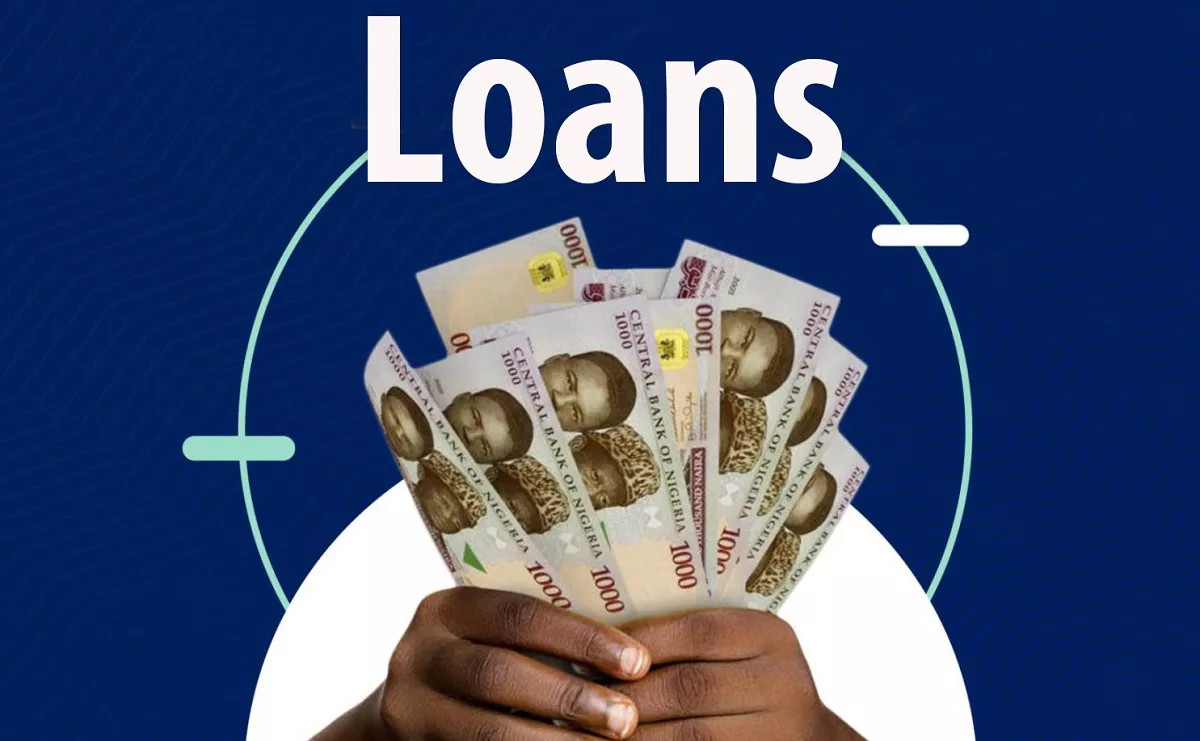
A recent survey by Enhancing Financial Inclusion and Advancement (EFInA) has revealed a significant shift in how Nigerians use formal credit. The 2026 Access to Financial Services in Nigeria (A2F) Survey found that 40.8% of formal borrowers now take loans for coping and consumption purposes, up from 31.7% in 2023. This represents an increase of 9.1 percentage points. The survey highlights a growing trend of Nigerians relying on formal credit to meet immediate financial needs.
The survey also noted a decline in borrowing for productive enterprises, from 40.2% to 34.3%, and for household assets, from 25.2% to 23.4%. This indicates that the largest share of formal credit is now directed towards helping households cope with financial demands rather than financing income-generating activities. Despite this, access to formal financial services has expanded sharply. Formal financial inclusion rose from 64% of adults in 2023 to 73% in 2026, equivalent to about 87.2 million adults.
The EFInA survey found that having access to formal financial services does not necessarily translate to financial security. Only about 25% of Nigerian adults are classified as financially healthy, despite 79% being financially included. This suggests that many Nigerians are still struggling with financial pressures. The survey also found that 45.8% of formal credit users reported some or serious repayment stress, indicating significant financial strain among borrowers.
The survey revealed that financial distress remains a challenge even among formally included adults. About 70.1% of formally included adults experience ongoing financial or welfare distress, compared with 71.9% among those not formally included. This suggests that formal access to financial services has not significantly reduced financial distress. The leading reasons for borrowing were rent and housing, medical bills, and school fees, reinforcing the finding that formal credit is increasingly used for consumption rather than productive investment.
The survey also highlighted the limited ability of households to mobilize emergency funds. Only 10.6% of formally included adults could raise N156,000 within seven days without difficulty, compared with just 3.7% of adults who were not formally included. This limited financial buffer makes households vulnerable to financial shocks. The situation is further compounded by the fact that 56.8% of banked adults with known buffer duration could not cover more than one month of expenses.
The EFInA survey underscores the need for financial institutions to provide more supportive services to households. The findings suggest that having a bank account does not necessarily translate into a meaningful financial cushion. Formal borrowing among informally included adults also remains a concern. The survey's results highlight the importance of addressing the root causes of financial distress and promoting financial stability among Nigerian households.
The 2026 A2F Survey by EFInA provides valuable insights into the evolving financial landscape in Nigeria. The findings have significant implications for policymakers, financial institutions, and households. By understanding the trends and challenges in formal credit usage, stakeholders can work towards promoting financial inclusion, stability, and security for Nigerian adults.
Key points
- Only 25% of Nigerian adults are classified as financially healthy despite 79% being financially included.
- Formal credit usage for consumption and coping purposes has increased to 40.8% in 2026.
- 45.8% of formal credit users reported some or serious repayment stress.