Patrick White, a celebrated Australian author, has left an indelible mark on 20th-century literature. His unique narrative style, which blends poetry and profound philosophical insights, has captivated readers worldwide. As the only Australian to receive the Nobel Prize in Literature in 1973, White's work has been widely acclaimed for its innovative storytelling and exploration of the human condition. His writing often delves into the complexities of human existence, revealing the intricacies of the human experience.
Born on May 28, 1912, in London, White's formative years were shaped by his experiences in Australia. His early life was marked by struggles with asthma and a sense of isolation, which would later influence his writing. White's journey as a writer began when he returned to Australia and purchased a farm with his partner, Manoly Lascaris. This marked the beginning of a prolific writing career, during which he penned iconic works such as "The Tree of Man" (1955), "Voss" (1957), and "The Solid Mandala" (1966).
"Voss," published in 1957, is widely regarded as White's masterpiece. The novel tells the story of a doomed expedition led by the German explorer Ludwig Leichhardt, who ventured into the Australian wilderness in 1845. White's narrative weaves together two storylines, exploring the complexities of human relationships and the search for meaning in a vast and unforgiving landscape. The novel's protagonist, Johann Ulrich Voss, is a complex figure whose journey is marked by obsession, courage, and ultimately, tragedy.
The novel's significance extends beyond its literary merit, as it has been recognized as a landmark work in Australian literature. "Voss" won the inaugural Miles Franklin Literary Award in 1957 and has been included in various lists of great works of literature, including Robert McCrum's "100 Best Novels in English." The novel's impact on Australian literature cannot be overstated, as it has inspired generations of writers and readers alike.
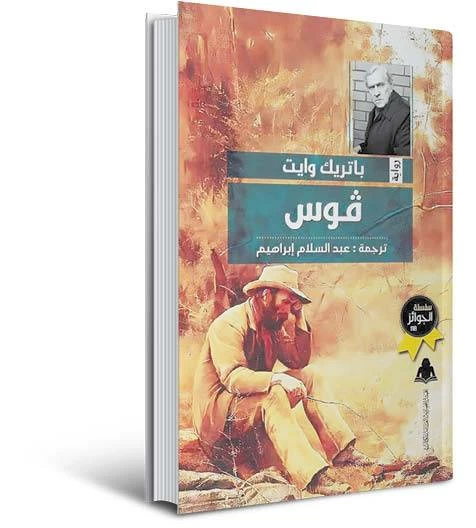
Despite its international acclaim, "Voss" has been relatively unknown to Arabic readers until recently. The novel has been translated into Arabic by translator Abd al-Salam Ibrahim, making it accessible to a new audience. This translation marks a significant milestone in the dissemination of White's work to a broader readership. The Arabic translation of "Voss" is a testament to the novel's enduring appeal and its ability to transcend cultural boundaries.
White's writing style in "Voss" is characterized by its poetic and introspective nature, which invites readers to reflect on the human condition. The novel's exploration of themes such as identity, spirituality, and the human condition has resonated with readers worldwide. Through his writing, White challenges readers to confront the complexities of human existence and the search for meaning in a seemingly indifferent world.
Patrick White's legacy continues to inspire writers and readers around the world. His contributions to literature have been recognized globally, and his work remains a testament to the power of storytelling. As a writer, White's commitment to exploring the human condition has left an indelible mark on literature, ensuring that his work will continue to be celebrated for generations to come.
Key points
- Patrick White's novel "Voss" is a landmark work in Australian literature that has earned global recognition for its innovative storytelling and exploration of the human condition.