As the 2027 general elections approach, concerns are rising about the potential for violence and intolerance to mar the campaign process. Reports from across the country indicate that candidates' and parties' posters are being defaced and destroyed. A recent incident at a Ward meeting of the Nigeria Democratic Congress (NDC) in Enugu State, where gunmen disrupted the event, injured at least eight people, and destroyed property, highlights the growing tensions.
In response to these developments, the National Peace Committee (NPC), convened a peace accord on August 18, 2026, which was attended by presidential candidates. The accord aims to promote peaceful, issue-based campaigns, and candidates have pledged to avoid violence, hate speech, and personal attacks. The Independent National Electoral Commission (INEC) has also urged candidates to focus on constructive, solution-driven campaigns. However, not all 18 presidential candidates attended the peace accord event.
Despite the peace accord, there have been instances of confrontation between politicians. The Minister of the Federal Capital Territory (FCT), Nyesom Wike, and the All Progressives Governors' Forum, led by Hope Uzodimma, have been involved in a public spat. The opposition has also faced challenges, with the Nigerian Democratic Congress (NDC) candidate, Peter Obi, being barred from entering Benue State. Obi was waylaid by political thugs alleged to be working for Governor Hyacinth Alia, who had declared that Obi was not welcome in the state.
The media has called on politicians to abide by the rules and ensure peaceful campaigns. They have also urged the leadership of the All Progressives Congress to set the record straight and allow peace to reign. The use of violence in political campaigns is contrary to the principles of civilized engagement, and politicians and their followers must eschew violence and accommodate one another. The Electoral Act 2026 has sanctions against campaign violence and other electoral offenses.
The media has also frowned on attacks and intimidation of opposition parties in states. They have recalled a similar declaration by the Governor of Edo State, Monday Okpebolo, when he ordered that Peter Obi could not visit Edo State without his permission. As governor and chief security officer of a state, the obligation covers everybody, including opposition politicians. That responsibility cannot be applied selectively.
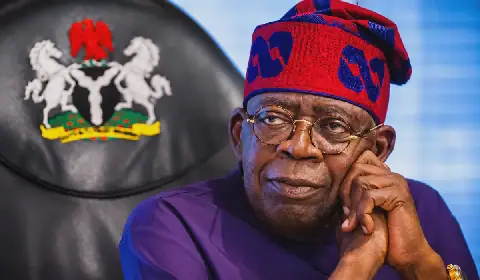
President Bola Tinubu has been urged to admonish members of his party to ensure peaceful campaigns. With 31 states under its control and being the ruling party at the center, it is incumbent on the Federal Government to set the tone for peace. The media has also challenged INEC to prosecute offenders and demonstrate that violators of the law cannot go scot-free.
Under Section 96 of the Electoral Act, the use of hate speech, abusive language, or incitement to violence carries severe penalties for both candidates and political parties, with a fine of N5 million or up to 12 months' imprisonment. Parties may be fined up to N10 million. The police have also been charged not to abdicate their constitutional responsibility to secure all citizens irrespective of political affiliation.
Key points
- The Nigerian media is urging politicians to ensure peaceful campaigns ahead of the 2027 general elections.
- A recent peace accord aims to promote peaceful, issue-based campaigns.
- The Electoral Act 2026 has sanctions against campaign violence and other electoral offenses.