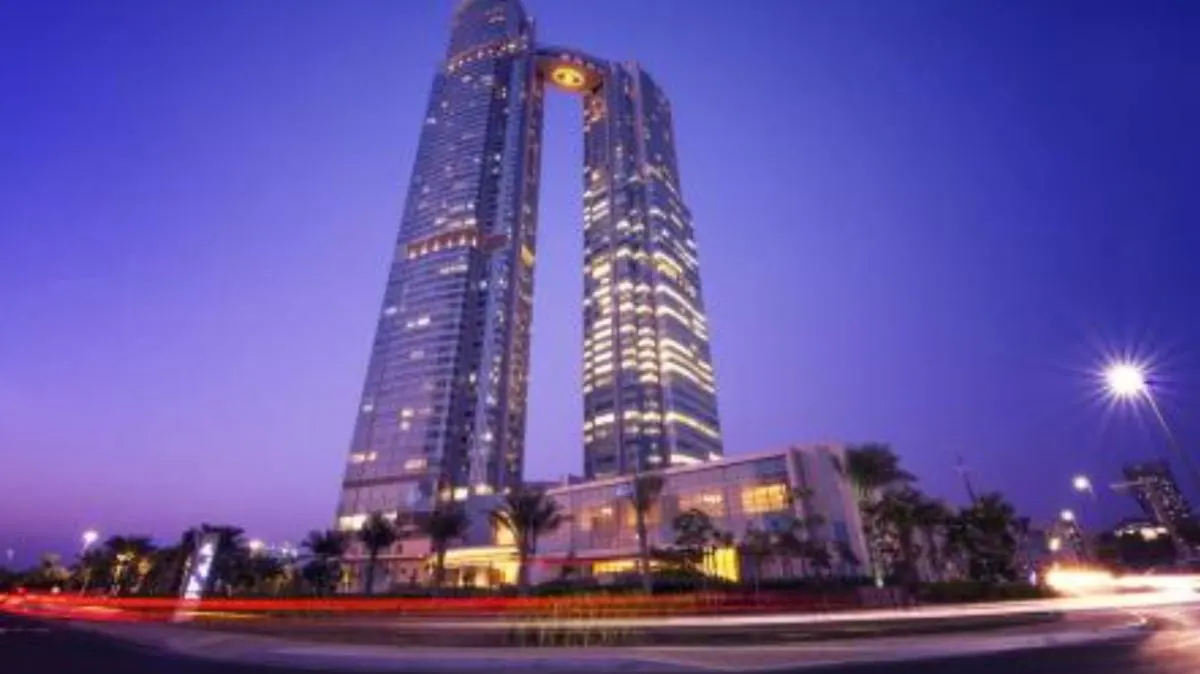
First Abu Dhabi Bank (FAB), the United Arab Emirates' largest lender, is contemplating a sell-down of its exposure to Nigeria's $5 billion total-return swap (TRS). This development may bring other banks into the financing arrangement, according to Bloomberg. FAB remains committed to the transaction but is open to reducing its exposure if there is sufficient market appetite.
The proposed sell-down would allow FAB to retain its role as Nigeria's counterparty while syndicating a portion of its position to other financial institutions. Under this arrangement, participating banks would take slices of FAB's position, and FAB would continue to face the Nigerian government under the swap, potentially earning additional fees for arranging the participation.
Nigeria drew the first $1.5 billion tranche from the facility in June, according to Finance Minister and Coordinating Minister of the Economy, Taiwo Oyedele. The government had accessed the first tranche three months after FAB's consideration of the sell-down was reported. The facility is part of Nigeria's $5 billion financing programme approved by the National Assembly in March.
The $5 billion financing programme is structured as a total-return swap rather than a conventional sovereign loan. The arrangement allows for up to $5 billion, with naira-denominated Federal Government securities provided as collateral at up to 133.3 percent of the amount drawn. This implies securities worth about $6.65 billion for the full $5 billion facility.
The transaction has attracted scrutiny from international financial institutions and rating agencies due to concerns over transparency, collateral, and potential foreign-exchange and liquidity risks. The IMF and rating agencies have previously raised concerns about the use of derivative-based financing by sovereigns, citing difficulties in assessing public-sector liabilities.
The Debt Management Office (DMO) has defended Nigeria's arrangement, stating that the transaction provides faster access to dollar liquidity and diversifies the government's funding sources. The DMO noted that Nigeria negotiated monthly rather than daily margining and a five-business-day period to meet a collateral shortfall.
If FAB succeeds in syndicating part of its exposure, the transaction would broaden the pool of financial institutions indirectly exposed to Nigeria under the structured financing arrangement. The proposed sell-down comes as Nigeria seeks to diversify its financing sources amid high domestic borrowing costs and efforts to refinance existing obligations at more manageable rates.
Key points
- First Abu Dhabi Bank considers selling part of Nigeria's $5bn total-return swap.
- The transaction aims to provide faster access to dollar liquidity and diversify funding sources.
- The sell-down may bring other banks into the financing arrangement, reducing FAB's exposure.