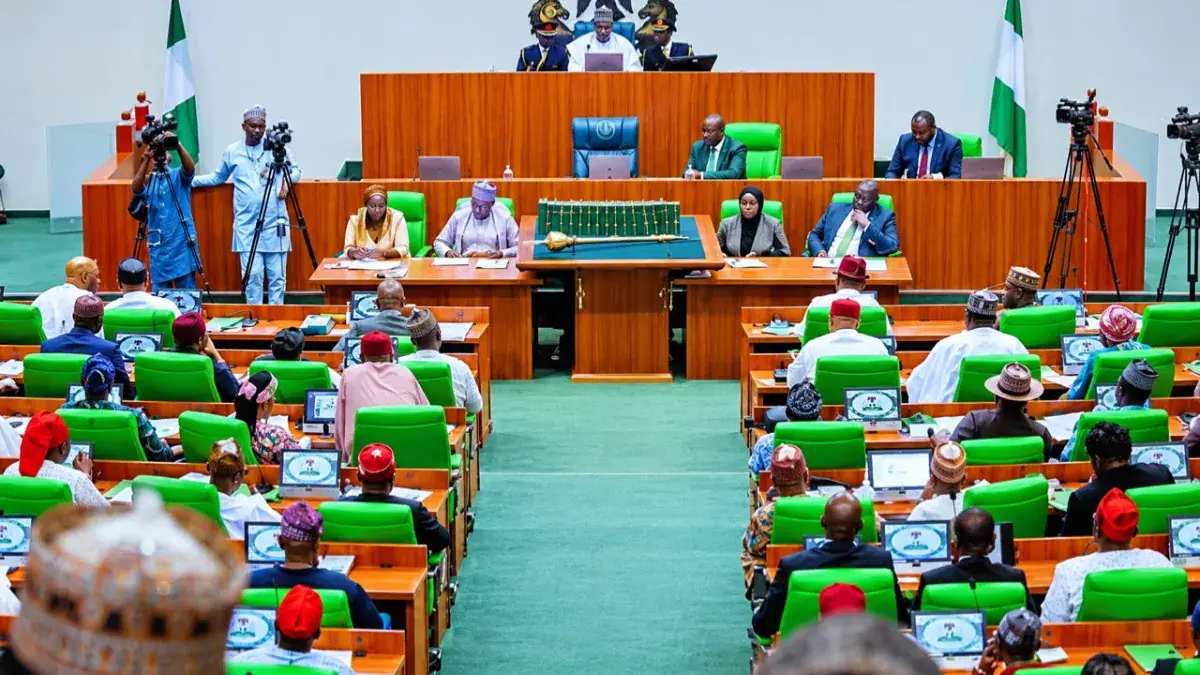
The House of Representatives has mandated the personal appearance of chief executives of MTN, Airtel, Globacom, and Mafab Communications by November 4, 2026. The panel chairman, Olumide Osoba, rejected attempts by the Association of Licensed Telecommunications Operators of Nigeria (ALTON) to send its chairman, Gbenga Adebayo, as a proxy for the telecom firms. This move is in accordance with Section 88 of the 1999 Constitution, which empowers the committee to issue bench warrants.
The summons was issued due to persistent coverage gaps along rural transit corridors, which have triggered security alerts and imperiled Nigerian lives. House spokesman, Akin Rotimi, cited a deadly highway assault in his Ekiti State constituency, where two traditional rulers were killed in an ambush along a stretch of road with unavailable mobile network signals. Rotimi accused operators of hoarding infrastructure in profitable urban centers while abandoning vulnerable highways.
Regulatory records show a widening gulf between corporate revenue models and consumer realities. The Nigerian Communications Commission (NCC) received 413,587 formal complaints from subscribers during the first half of 2026. While the regulator forced operators to compensate 75 million subscribers, millions of citizens still endure dropped calls, rapid data depletion, and failed banking transactions daily.
The committee is also probing ALTON's leadership over an unpaid ₦8.46 billion fine levied against Globacom. Lawmakers argued that an industry association cannot shield individual license holders from statutory oversight or corporate liabilities. A representative from the NCC confirmed that official directives were sent directly to the corporate headquarters of each chief executive, bypassing third-party industry groups.
The NCC's data shows that consumer complaints have been on the rise, with 413,587 complaints filed in the first half of 2026. This has led to a significant backlash against telecom operators, with 75 million subscribers receiving compensation payouts. However, many citizens continue to experience poor network quality, dropped calls, and rapid data depletion.
Corporate operators now face a stark operational choice before the November 4 deadline. Telecom executives must either defend their infrastructure investments directly before parliament or risk statutory arrest orders executed by security agencies. The committee's ultimatum has put pressure on telecom firms to improve their services and address the concerns of subscribers.
The parliamentary probe is expected to scrutinize the telecom firms' infrastructure investments, regulatory compliance, and corporate liabilities. The outcome of the probe could have significant implications for the telecom industry in Nigeria, with potential consequences for firms that fail to comply with regulatory requirements. The probe is also expected to shed light on the root causes of poor network quality and the measures being taken to address these issues.
Key points
- The House of Representatives has given an ultimatum to telecom firms to appear before a parliamentary probe on November 4 or face arrest.
- The probe is focused on addressing poor network quality, coverage gaps, and regulatory compliance.
- The NCC received 413,587 formal complaints from subscribers during the first half of 2026, leading to compensation payouts to 75 million subscribers.