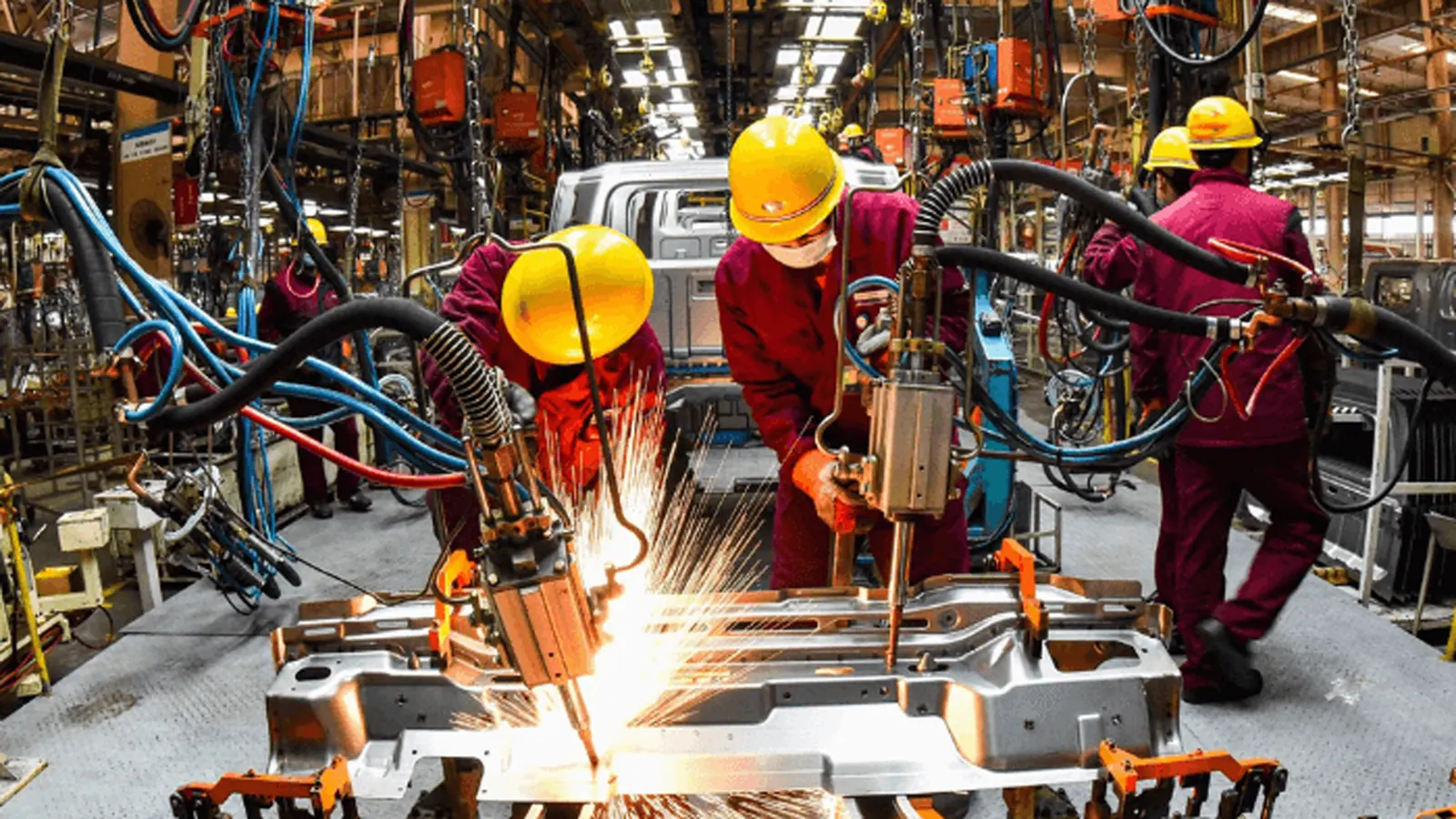
Nigeria's largest economic hubs have long relied on self-generated power due to the unreliable national grid. Dangote Industries, for example, operates its 650,000 barrel-per-day refinery and cement plants using hundreds of megawatts of gas and heavy fuel oil generation. Similarly, industrial clusters in Ikeja, Bompai, and Trans-Amadi maintain their own generator fleets. This trend is also seen in smaller settings, where individual generators are used as a backup power source.
The introduction of bilateral contracts and third-party access may lead to a utility death spiral for Distribution Companies (DisCos). As large industrial and commercial customers opt for bilateral deals or self-generation, they pay higher tariffs, which in turn subsidize household customers. If heavy users leave the grid without contributing to the cost of the shared system, DisCos will be left with expensive-to-serve customers who are unable to pay cost-reflective tariffs. This could lead to bankruptcy without government intervention.
A recent US case offers insight into the challenges of private off-take versus public grid usage. The Federal Energy Regulatory Commission (FERC) rejected a proposal by Talen Energy to sell power directly to an Amazon Web Services data center, citing concerns that it would shift transmission costs onto ordinary ratepayers. The commission established a principle that large loads cannot take primary power privately while treating the public grid as a free backup.
Nigerian regulators can draw lessons from the FERC ruling. Large users, such as industrial parks and data centers, must pay cost-reflective wheeling tariffs to the Transmission Company of Nigeria (TCN) for maintaining the transmission lines. Additionally, captive users who rely on the grid when their generators fail must pay structured standby fees to avoid passing costs onto everyday consumers.
The ultimate goal for Nigeria's power sector is to establish a liquid wholesale electricity spot market. This would involve a transparent pool where generators bid into the national grid, and prices are discovered in real-time. However, a functional spot market requires a reliable transmission system, making the reform of the TCN a non-negotiable priority.
To achieve this, TCN must be fully unbundled into the Transmission Service Provider and Independent System Operator (NISO). These organizations must prioritize commercial discipline, including competitive recruitment, transparent performance tracking, and investment in feeder metering. This will enable the attraction of long-term capital to address transmission bottlenecks.
Implementing these reforms requires careful consideration of several factors, including the phase-out of the Nigerian Bulk Electricity Trader's (NBET) single-buyer role, the introduction of bilateral PPAs, and the turnaround of DisCos. Additionally, the government must prioritize operational governance over ownership debates and balance private initiative with the public grid's survival to ensure a stable power supply for Nigeria's industrial future.
Key points
- Nigeria must reform its power sector to prevent industrial grid defection and ensure a stable energy supply.