Nigeria's economic landscape presents a paradox of stability and catastrophe. The Governor of the Central Bank of Nigeria recently announced that the national economy has stabilized, which is supported by macroeconomic indicators. The nation's external reserves have increased, and the Naira's exchange rate has become more predictable. Additionally, the Gross Domestic Product has shown consistent growth, and the monetary policy rate has eased, signaling a recovery in the financial system.
Despite these positive indicators, many Nigerians feel that the economic stability has not translated to their daily lives. The cost of living remains high, with prices of essential goods such as rice, wheat, and maize remaining unaffordable for many. The concept of decelerating inflation does not resonate with citizens who see no reduction in prices. Instead, prices have plateaued at high levels, making it difficult for average salaries to keep up.
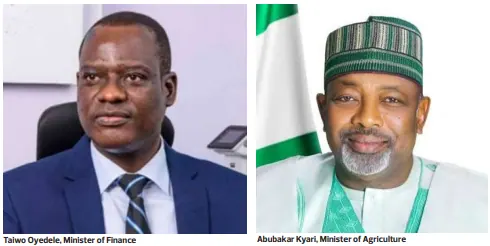
The disconnect between macroeconomic stability and microeconomic misery is a significant challenge for Nigeria. Policy makers celebrate moderate inflation, but citizens see no relief in their daily expenses. The current administration has implemented measures to cushion the effects of economic hardship, including suspending import tariffs on essential food items and launching micro-credit schemes. However, these efforts have been met with skepticism and cynicism from some segments of the population.
Ethnic polarization, partisan cynicism, and a culture of entitlement have contributed to Nigeria's socio-political landscape. These factors have made it challenging for the government to implement effective policies. The administration's efforts to address economic hardship have been hindered by a lack of trust and cooperation from some citizens. To bridge this gap, the government must focus on providing tangible relief to citizens, particularly in the areas of food prices and transportation costs.
One of the most urgent triggers for public relief is the crash of food prices, which represents a significant percentage of household expenditure for most Nigerians. While the administration has passed policies to suspend import tariffs on staples, the reality on the ground is that consumers have not felt the difference. Wholesalers and market cartels have absorbed the profit margins, and prices remain high. To address this, the government must introduce aggressive regulatory oversight to ensure that port-level waivers translate into direct price reductions.
The government must also address the issue of food distribution and smuggling. The traditional method of releasing grains from national strategic reserves often fails due to corruption. To bypass these networks, the government must utilize community-verified channels and trusted civil society organizations to distribute subsidized food items directly to the public. Additionally, the domestic supply of food must be protected from systemic leaks that drive up local scarcity and inflation.
To achieve a microeconomic turnaround, the state must pivot its focus towards immediate survival metrics, such as eating, moving, and doing business at the grassroots level. By establishing temporary discount markets and enforcing border controls, the government can create an undeniable visual and financial reality that no amount of political or ethnic bias can argue against. The government must take concrete steps to address the economic hardship faced by citizens and provide relief to those who need it most.
Key points
- The Nigerian government's macroeconomic stability has not translated to microeconomic relief for citizens.
- High food prices and lack of trust in government policies have contributed to the disconnect between macroeconomic stability and microeconomic misery.
- The government must focus on providing tangible relief to citizens, particularly in the areas of food prices and transportation costs.