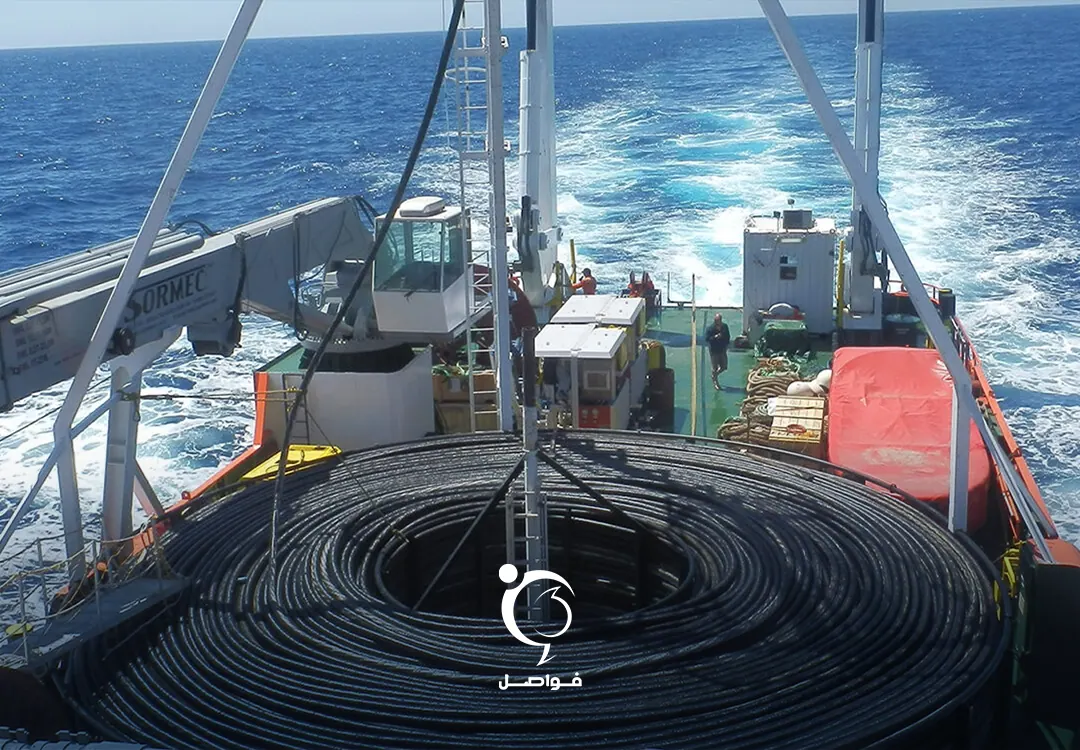
A Greek newspaper has reported that claims of a possible change in the route of the proposed undersea electricity cable between Cyprus and Crete to avoid a Turkish marine park are unfounded. The planned cable route lies south of the park's boundaries. The dispute is linked to a Turkish-Libyan memorandum, with Turkey asserting that survey work in the area requires its consent.
The Turkish-Libyan memorandum has created tensions with Greece, as it overlaps with a maritime area defined by a Greek-Egyptian agreement. The Greek newspaper ProtoThema stated that the timing of the resumption of survey work for the cable project has not been decided. Greece has expressed readiness to issue a NAVTEX maritime notice once the project company, GSI, submits a request.
Previous proposals to reroute the cable through Egypt's exclusive economic zone were rejected due to concerns over the increased route length, sea floor depth, and project feasibility. The cable project aims to connect Cyprus and Crete, enhancing regional energy links. The dispute highlights the complexities of maritime claims in the Eastern Mediterranean.
The marine park established by Turkey near Kastellorizo has become a focal point in the dispute with Greece. Turkey considers the park's boundaries part of its continental shelf and exclusive economic zone. The Greek-Egyptian agreement, which defines a maritime boundary, is seen as conflicting with Turkish claims.
The Libyan connection to the dispute arises from a 2019 memorandum of understanding between Turkey and Libya's Government of National Accord. The agreement defines maritime zones and cooperation areas in the Eastern Mediterranean. This agreement has been a point of contention with Greece and other regional actors.
As tensions persist, the GSI company is expected to proceed with survey work, pending Greek approval. The project's progress will depend on resolving the maritime boundary disputes and securing necessary permits. The cable project has significant implications for regional energy cooperation and infrastructure development.
The Turkish-Greek dispute over maritime boundaries and the Libya connection underscores the complexities of Eastern Mediterranean geopolitics. The situation remains fluid, with multiple stakeholders involved. A resolution to the dispute will require diplomatic engagement and compromise among the parties.
Key points
- The proposed undersea cable project has sparked a dispute between Turkey and Greece over maritime boundaries.
- Libya's maritime claims, as defined by a Turkish-Libyan memorandum, are a key factor in the dispute.
- The project's progress depends on resolving the maritime boundary disputes and securing necessary permits.