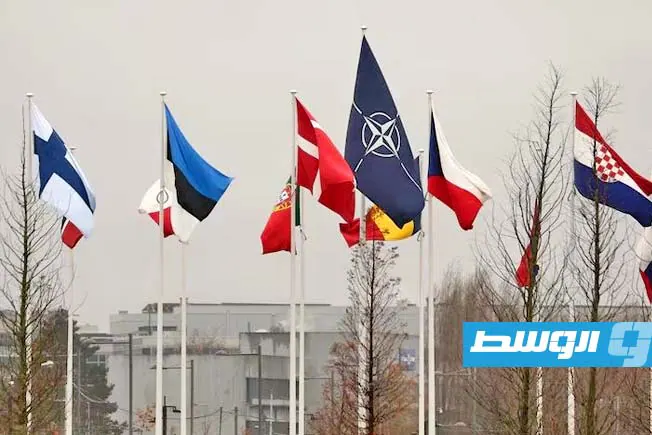
NATO Secretary-General Mark Rutte stated on Tuesday that Russia's multi-faceted attacks in Europe have not weakened the alliance's support for Ukraine. Rutte emphasized that Russia's efforts to undermine the alliance's resolve and halt its support for Ukraine have been unsuccessful. According to Rutte, Russia's actions have failed to achieve their intended goals, both on the battlefield in Ukraine and in terms of undermining the unity and support of NATO member states for Ukraine.
Rutte's comments come after Estonia accused Russia of being behind a deliberate arson attack on a defense industry company in August. The incident is part of a broader pattern of aggressive actions attributed to Russia against NATO member states. Despite these tensions, Rutte expressed confidence in the alliance's solidarity and commitment to supporting Ukraine.
The Danish military intelligence agency reported on Thursday that while the possibility of a Russian invasion of a NATO member state is considered low, it is not entirely ruled out. The agency's assessment highlights the ongoing concerns about Russia's military intentions in the region. According to the agency's chief, Tommas Ahrenkiel, there is a low but increasing risk of limited military attacks by Russia against NATO member states bordering Russia.
Ahrenkiel emphasized that, at present, it is deemed unlikely that Russia would see a strategic benefit in invading a NATO member state. However, he noted that this possibility cannot be entirely excluded. The Danish intelligence agency's comments reflect the nuanced and complex nature of the security environment in Europe, where NATO and Russian forces have a significant presence.
NATO has taken steps to enhance its security measures in response to the evolving threat landscape. The alliance has been working to strengthen its defenses and deter potential aggression. In a demonstration of its capabilities, NATO recently intercepted a drone over Lithuania, showcasing its readiness to respond to aerial threats.
The security situation in Europe remains tense, with ongoing concerns about Russia's military activities and intentions. NATO member states, including Estonia, have been subject to various forms of aggression, including cyberattacks and disinformation campaigns. In response, the alliance has been working to bolster its resilience and coordination in the face of these threats.
The commitment of NATO to support Ukraine remains unwavering, according to Rutte. The alliance has provided significant assistance to Ukraine, including military aid and training. This support is seen as crucial in helping Ukraine maintain its sovereignty and territorial integrity in the face of Russian aggression. Key efforts to counter Russian actions and maintain stability in the region continue.
Key points
- NATO Secretary-General Mark Rutte says Russia's attacks have failed to weaken support for Ukraine.
- Danish intelligence suggests a low but increasing risk of Russian military action against NATO member states.
- NATO continues to enhance its security measures and support for Ukraine amid ongoing tensions with Russia.