President Bola Ahmed Tinubu's administration has made significant progress in stabilizing Nigeria's economy, which was facing major headwinds when he assumed office in 2023. Inflation had climbed to almost 35%, external reserves were under pressure, and investor confidence had weakened. The country was also grappling with a deep fiscal crisis, driven in part by unsustainable deficit financing.
Tinubu's October 1 Independence Day broadcast highlighted the economic difficulties his administration inherited and the reforms undertaken to reset key macroeconomic fundamentals. He noted that the economy and several key indicators are now beginning to turn the corner. The President's speech reflected on the difficult economic reforms undertaken by his administration and presented evidence of progress.
According to Tinubu, poverty was rising and hope was rapidly fading when he assumed office in 2023. He insisted that the economic reforms that followed did not create the weaknesses in the economy, but rather confronted long-standing structural problems that could no longer be ignored. The President highlighted the gains of the reforms, including a growth in the economy of over 4% this year.
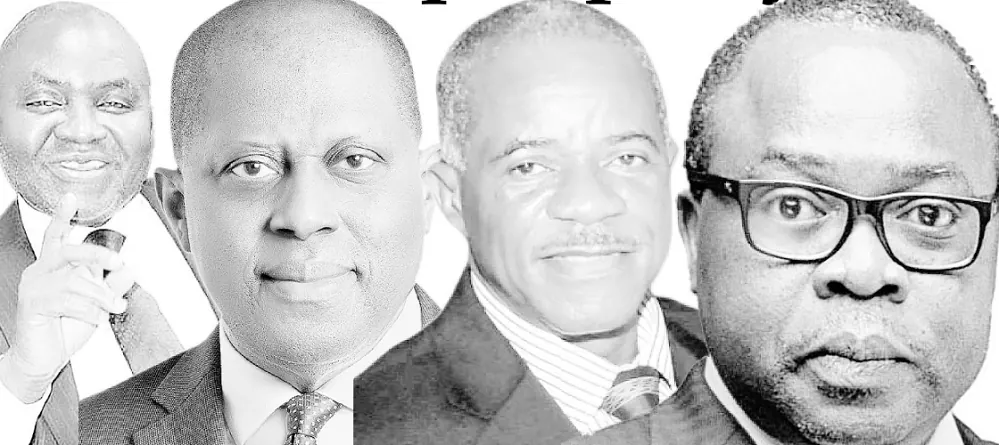
The Central Bank of Nigeria (CBN), under the leadership of Olayemi Cardoso, played a crucial role in stabilizing the economy. The CBN tightened policy aggressively, raising rates by more than 800 basis points and strengthening liquidity management. It also restored orthodoxy by halting central bank financing of government beyond statutory limits and re-anchoring monetary policy on its core mandate.
Despite the progress made, Tinubu acknowledged that the pressure on household incomes and the high cost of everyday necessities remain major concerns for millions of Nigerians. He identified reducing the cost of living as one of the administration's most immediate priorities. The President emphasized the need for stronger coordination among the federal, state, and local governments to address these challenges.
The macroeconomic landscape reveals that Nigeria is navigating a delicate but discernible turning point. Inflation has moderated to about 15.39% in August from 15.43% in July and continues on a disinflationary path. Capital flows are rebounding, sovereign credit ratings have improved, and the naira is beginning to stabilize. These shifts suggest more than a cyclical adjustment.
Other stakeholders, including the Chief Executive Officer of the Centre for the Promotion of Private Enterprise (CPPE), Dr. Muda Yusuf, have welcomed the President's broadcast. While there are challenges ahead, the general consensus is that the administration has made a good start in stabilizing the economy and that the next phase of reforms will be crucial in translating these gains into jobs and improved living standards.
Key points
- President Tinubu's administration has made progress in stabilizing Nigeria's economy.
- The administration faces challenges in translating reforms into jobs and improved living standards.
- Stronger coordination among governments and sustained infrastructure investment are needed to achieve long-term transformation.