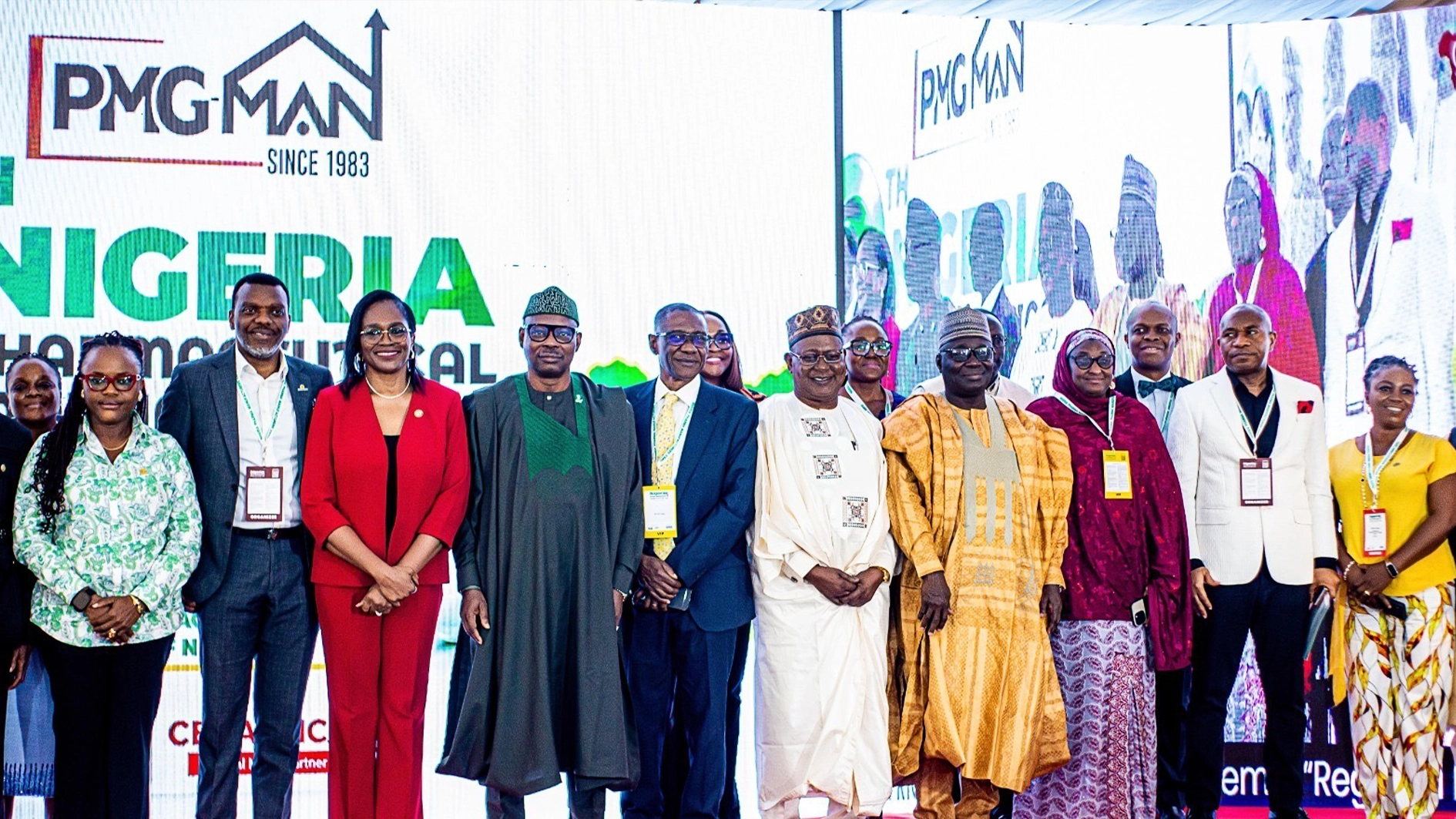
The Federal Government of Nigeria has announced plans to extend the Presidential Executive Order that supports local pharmaceutical manufacturing for an additional two years. This move aims to sustain policies, attract investments, and implement regulatory reforms to enhance Nigeria's medicine security. The announcement was made at the 8th Nigeria Pharmaceutical Manufacturers Expo (NPME) 2026, held in Lagos, where stakeholders emphasized the need for stronger local production and improved access to the African market.
The Minister of State for Health and Social Welfare, Dr. Iziaq Adekunle Salako, reaffirmed the Federal Government's commitment to expanding domestic pharmaceutical manufacturing as a pathway to medicine security, healthcare resilience, and economic development. He stressed the need to strengthen capacity across the pharmaceutical value chain, including research and development, innovation, and quality assurance. Salako also called for increased investment in critical areas of pharmaceutical production, such as biologics, vaccines, and other health technologies.
The Chairman of NPME 2026, Pharm. Dr. Patrick Ajah, emphasized that no nation can achieve sustainable greatness without manufacturing what its citizens consume. He noted that the pharmaceutical sector is fundamental to national development and that public-private collaboration has begun to shift the balance from import-dependent medicine consumption. Ajah called on stakeholders to partner with PMGMAN to drive sustainable growth and expand businesses across Nigeria, Africa, and the global market.
The PMGMAN Chairman, Oluwatosin Jolayemi, stated that the Nigerian pharmaceutical manufacturing sector is undergoing significant transformation, with the group now representing over 200 local pharmaceutical manufacturing companies. Jolayemi appealed to the Federal Government to extend the Presidential Executive Order, which is set to expire in March 2027, to enable manufacturers to deepen investments, expand production capacity, and consolidate gains in medicine security.
The Minister of State for Industry, Trade and Investment, Senator John Owan Enoh, said the Federal Government is committed to moving Nigeria from an import-dependent market towards greater self-sufficiency under the Renewed Hope Agenda. Enoh listed proposed interventions to support the target, including expanded tax exemptions, tariff waivers on raw materials and machinery, and incentives for backward integration in the production of active pharmaceutical ingredients and excipients.
The Director-General of NAFDAC, Prof. Mojisola Christianah Adeyeye, disclosed that 37 local manufacturing facilities are undergoing retrofitting and construction upgrades to meet international standards. Adeyeye stressed that Nigeria cannot afford to reverse the gains recorded in local pharmaceutical manufacturing and urged the country to intensify efforts towards producing vaccines and other critical health commodities.
The African Medicines Agency's Director-General, Dr. Delese Mimi Darko, called for stronger regulatory cooperation among African countries to accelerate access to quality-assured medicines and create a more integrated pharmaceutical market. Darko emphasized the need for African manufacturers to invest in research and development, technology transfer, skilled manpower, intellectual property, and quality systems to achieve localisation beyond simply producing medicines locally.
Key points
- The Federal Government plans to extend the Presidential Executive Order supporting local pharmaceutical manufacturing by two years.
- Nigeria aims to become a regional pharmaceutical manufacturing hub under the Renewed Hope Agenda.
- The government has proposed interventions, including tax exemptions and tariff waivers, to support the growth of the local pharmaceutical sector.