A new testing package launched by Premier Medical Corporation and Impact Nexus Africa could help expand screening of pregnant women for HIV, syphilis, and hepatitis B in Nigeria. The package, called the Triple Elimination Testing Bundle, combines two rapid diagnostic tests under a single commercial offer for use through existing antenatal care services. This initiative aims to support the global effort to eliminate mother-to-child transmission of HIV, syphilis, and hepatitis B.
The companies' analysis identified Nigeria, Ethiopia, Tanzania, Uganda, Kenya, Mozambique, and South Africa as countries with the largest potential markets for antenatal hepatitis B screening. Impact Nexus Africa estimates that the package could generate about $215 million in commodity savings across 74 low- and middle-income countries between 2026 and 2035. However, this estimate is based on modelling and does not represent confirmed savings for individual countries, including Nigeria.
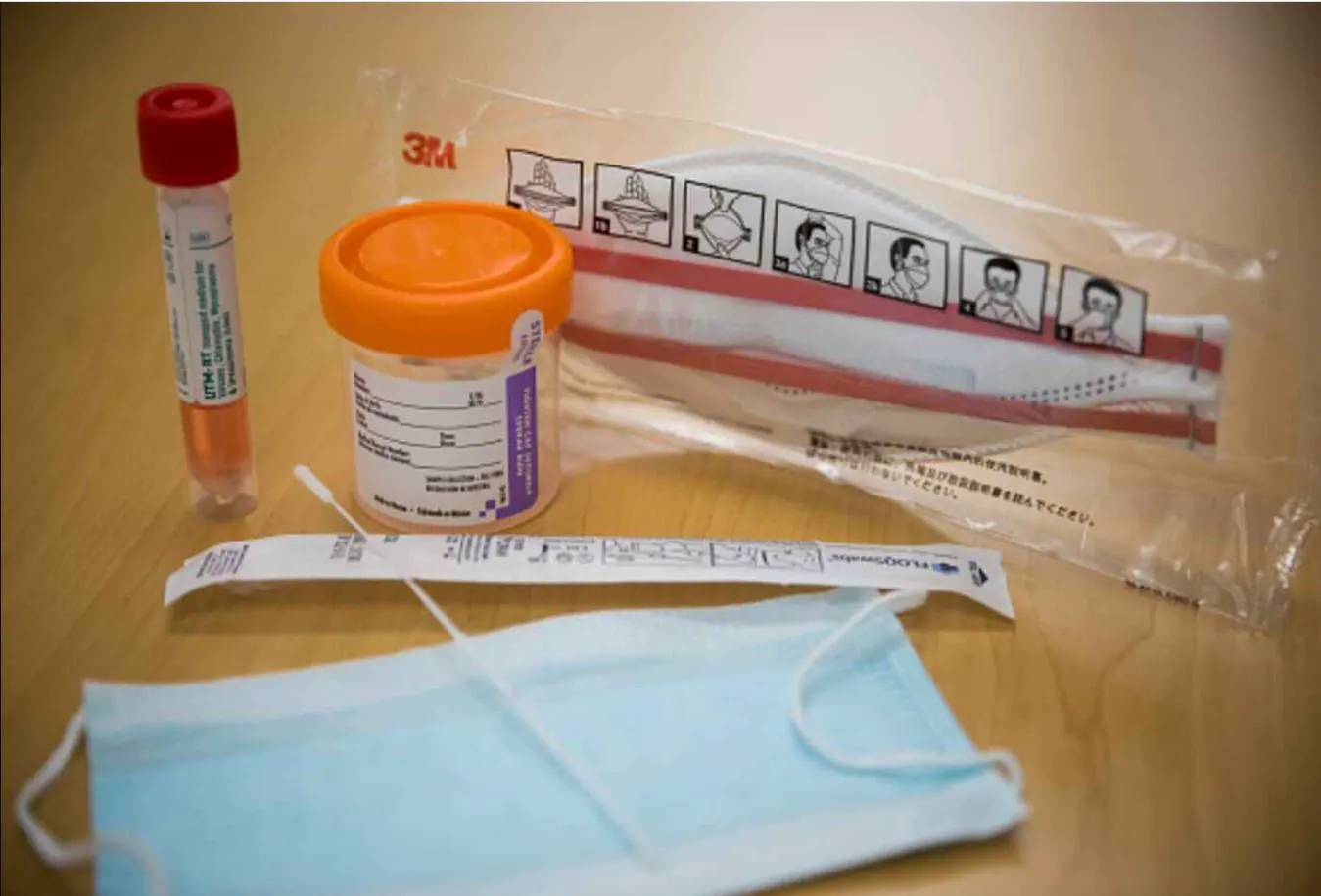
The Triple Elimination Testing Bundle costs $1 ex-works per woman screened and contains two separate rapid diagnostic tests. One test screens for HIV and syphilis simultaneously, while the other screens for a marker of hepatitis B infection. The tests remain separate products but are supplied together as a single commercial offer. The price also includes access to digital training, assessment, and competency tools for end users.
According to the companies, the package is between 22 per cent and 46 per cent cheaper in commodity terms than procuring equivalent HIV/syphilis and hepatitis B rapid diagnostic tests separately. The analysis estimates an addressable market of about 37.8 million antenatal HBsAg tests annually across 74 low- and middle-income countries. It projects that using the package instead of separately procured tests could generate significant savings.
The World Health Organisation recommends testing pregnant women for HIV, syphilis, and hepatitis B at least once during pregnancy and as early as possible. While HIV and syphilis screening have increasingly been incorporated into antenatal care, hepatitis B screening remains less consistently implemented across countries. The new package could serve both countries that already provide hepatitis B screening and those seeking to introduce or expand it.
For Nigeria, the significance of the package goes beyond its lower price. A 2026 analysis of Nigeria Demographic and Health Survey data found that although 72 per cent of mothers attended antenatal care, only 12.3 per cent were tested for hepatitis B during pregnancy. The Federal Ministry of Health and Social Welfare has been working to strengthen hepatitis B screening as part of Nigeria's triple-elimination response.
The new bundle could offer Nigeria a lower-cost option for expanding hepatitis B screening through existing antenatal care services. The companies said the package is available to public and private sector purchasers across all low and middle-income countries, subject to national registration, importation, and procurement requirements. The initiative's success will depend on screening uptake, local hepatitis B prevalence, and successful linkage of women who test positive to recommended maternal and infant interventions.
Key points
- The testing package could generate $215 million in commodity savings across 74 low- and middle-income countries between 2026 and 2035.
- Nigeria has a significant gap in hepatitis B screening, with only 12.3 per cent of mothers tested for hepatitis B during pregnancy.
- The package is between 22 per cent and 46 per cent cheaper than procuring equivalent HIV/syphilis and hepatitis B rapid diagnostic tests separately.