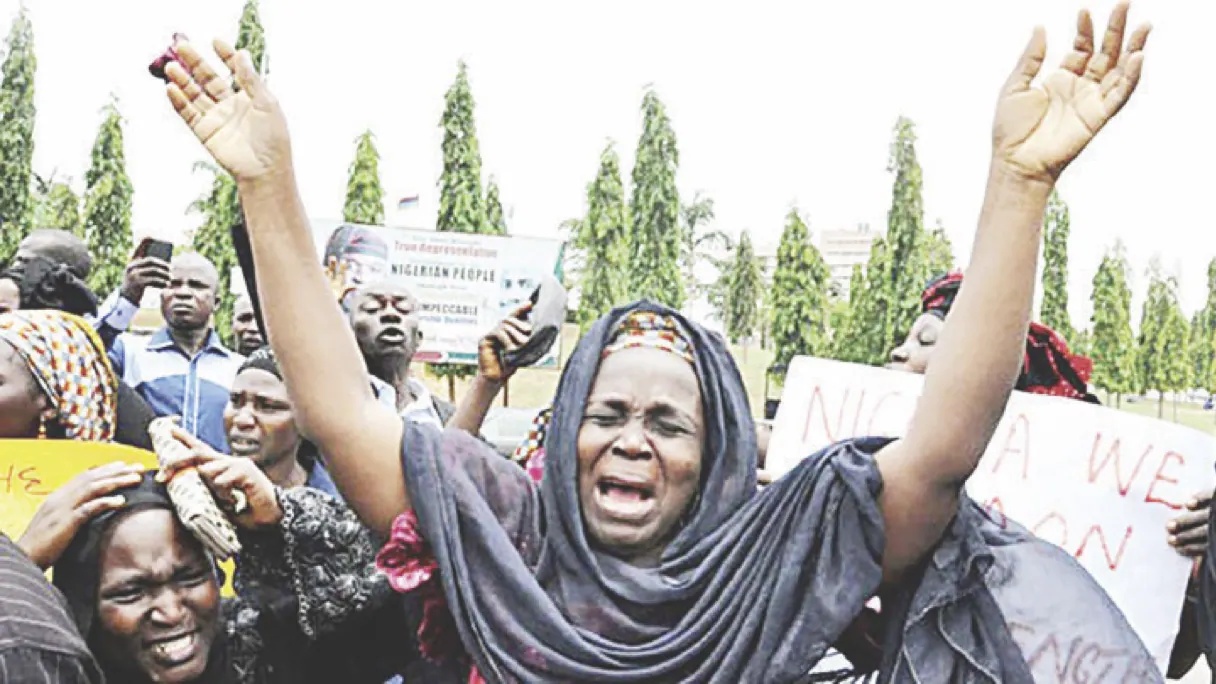
As Nigeria celebrates 66 years of independence, prominent socio-cultural organizations, religious leaders, and traditional rulers have expressed deep frustration over the country's perilous state. They attribute the nation's persistent failure to attain its full developmental potential to a toxic combination of elite consensus deficit, acute leadership failure, and deep-seated ethnic and religious sentiments. The stakeholders, who reflected on Nigeria's turbulent journey since gaining sovereignty from British colonial rule on October 1, 1960, argue that the current federal structure has failed to guarantee security, foster economic prosperity, or build genuine national cohesion.
The Igbo Heroes and Icons Foundation (IHIF) has provided an assessment of Nigeria's post-independence trajectory from the perspective of the South-East. According to Chief Chinedu Nsofor, the destruction of the 1954 Federal Constitution, which established a decentralized federal system, led to developmental stagnation. Under the First Republic, the Eastern, Western, and Northern regions exercised substantial control over local economies, education, and internal security, while the Federal Government managed defense, external affairs, and monetary policy. This competitive model produced notable achievements across the regions, including free primary education in the West and industrialization in the North.
IHIF argued that the military coups of 1966 and the subsequent Civil War destroyed the productive federal framework, replacing regional autonomy with a centralized system. The group demands a constitutional shift towards greater fiscal and operational autonomy for geopolitical zones, enabling states and regions to explore and commercialize local deposits of crude oil, natural gas, and other resources without excessive federal bottlenecks. They also called for a constitutionally recognized framework for rotational presidency among the six geopolitical zones to address perceptions of political exclusion and build national trust.
The Yoruba Council of Elders (YCE) identified the imbalance created during the colonial era and the faulty political structure inherited and entrenched at independence as major obstacles to Nigeria's development. According to Chief Oladipo Oyewole, the country needs urgent political restructuring or regionalization to give every citizen a sense of belonging and create a level playing field for social and economic development. The elders faulted the political arrangement established around the transition to self-government, citing historical evidence that has raised questions about the credibility of that process and its consequences for the country's subsequent political development.
The stakeholders, including IHIF and YCE, have presented structural demands aimed at resolving the national question and restoring confidence in the Nigerian project. They called for decentralization of policing capabilities, enthrone equity and justice, and dismantle entrenched corruption. The groups also emphasized the need for human restructuring, with Chief Goddy Uwazuruike stressing that constitutional restructuring must be accompanied by moral accountability and respect for the rule of law.
The frustration and agony expressed by stakeholders reflect the country's continued grappling with structural problems that have hindered the self-actualization and development of its various peoples since independence. The groups warned that unless urgent structural steps are taken to comprehensively restructure the country, Nigeria will continue to drift dangerously. They emphasized the need for a new political arrangement that will give every citizen a sense of belonging and create a level playing field for social and economic development.
As Nigeria marks 66 years of independence, the stakeholders' demands for restructuring, decentralization, and human restructuring have become imperative. The country's continued failure to attain its full developmental potential has led to widespread frustration, agony, and broken promises. The stakeholders' calls for urgent action reflect the need for a comprehensive overhaul of the country's political structure to address the nation's perennial problems and create a more equitable, competitive, and restructured Nigeria.
Key points
- The stakeholders demand a constitutional shift towards greater fiscal and operational autonomy for geopolitical zones.
- The groups called for decentralization of policing capabilities, enthrone equity and justice, and dismantle entrenched corruption.
- The country's continued grappling with structural problems has hindered the self-actualization and development of its various peoples since independence.