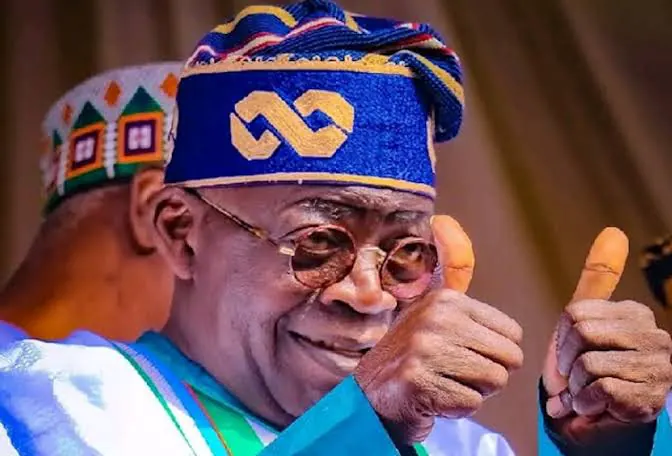
A recent article by The Economist has sparked controversy, suggesting that President Bola Tinubu may still be re-elected in the 2027 presidential election despite growing public discontent over insecurity, economic hardship, and the performance of government. The article attributed Tinubu's prospect to Nigeria's "complicated electoral dynamics," including political cynicism, a divided opposition, religious considerations, the advantages of incumbency, and historically low voter turnout in some areas. This assessment has been met with reactions from various stakeholders, including opposition parties and the Presidency.
The African Democratic Congress (ADC) has reacted to The Economist's editorial, arguing that the cost-of-living crisis confronting Nigerians, rather than religion or ethnicity, would play the decisive role in determining how voters cast their ballots in the 2027 general election. The ADC stated that it agrees with the story that President Tinubu is universally disliked but disagrees that he could win the election. This sentiment was echoed by the Nigeria Democratic Congress (NDC), which faulted The Economist's conclusion, questioning the basis of the publication's assessment and arguing that there was no pathway to the President's re-election without rigging the process.
The Presidency has risen in stout defence of the reforms embarked upon by President Bola Tinubu's administration over three years ago. Presidential spokesperson, Bayo Onanuga, referred to President Tinubu's argument in his October 1, 2026 Independence address that past governments postponed difficult economic decisions and allowed distortions in the economy to deepen. This defence comes amidst criticism that Tinubu's economic reforms, though lauded by investors, have yet to translate into improved living conditions for many Nigerians.
The Economist's article, titled 'Nigerians Dislike Their President, But May Re-elect Him Anyway,' noted that Tinubu appeared relatively unconcerned about his re-election prospects despite the challenges confronting the country. It stated that the President returned from Paris on September 29, after a month-long stay in Europe, having previously extended what was described as his "working holiday" by several days. The publication pointed to Nigeria's worsening security situation and economic pressures, with people kidnapped and killed by bandits or insurgents on a near-daily basis.
President Tinubu of the All Progressives Congress (APC); former Vice President Atiku Abubakar of the ADC, and former Anambra State Governor, Peter Obi of the Nigeria Democratic Congress (NDC), are the three leading candidates in the January 2027 election. The Economist's assessment has raised questions about the factors that may influence the outcome of the election, including the role of ethnicity, religion, and economic considerations.
The article has also highlighted the challenges confronting the country, including a worsening security crisis and economic pressures. The Economist noted that while Tinubu's economic reforms had been lauded by investors, they had yet to translate into improved living conditions for many Nigerians. This has raised concerns about the impact of the reforms on the general population.
The controversy surrounding The Economist's article has sparked a national debate about the prospects of the 2027 presidential election. Key stakeholders, including opposition parties and the Presidency, have reacted to the assessment, with some questioning the basis of the publication's conclusion. The outcome of the election will depend on various factors, including the performance of the economy and the security situation in the country.
Key points
- The Economist predicts that President Tinubu may still be re-elected in the 2027 presidential election despite growing public discontent.
- The African Democratic Congress and the Nigeria Democratic Congress have reacted to The Economist's editorial, questioning the basis of the publication's assessment.
- The Presidency has defended Tinubu's reforms, arguing that they are necessary to address the distortions in the economy.