In a move to alleviate the burden of high transportation costs on Nigerians, several states have begun implementing measures to reduce transport fares. Lagos, Kwara, Ekiti, Plateau, and Enugu states have adopted different approaches, including deploying or expanding the use of Compressed Natural Gas (CNG) and government-subsidized buses. This development follows the federal government's directive for Nigerians to experience measurable reductions in transport fares from October 1.
The initiative was sparked by President Bola Tinubu's directive to the 36 state governments to accelerate the implementation of the National Affordable CNG Transit Programme. During a meeting with governors on August 27, the President urged state governments to collaborate with transport unions and commercial operators, support vehicle conversion and fleet deployment, and facilitate the necessary infrastructure for the transition. The goal is to make transportation more affordable for Nigerians.
While some states have commenced or expanded subsidized bus services, others are still in the process of deploying CNG buses. Lagos, for instance, has taken delivery of additional CNG buses but has yet to announce the commencement of a new fare-reduction scheme under the National Affordable CNG Transit Programme. The response to the federal initiative has been uneven across states, reflecting differences in infrastructure, fleet availability, conversion costs, and operating challenges confronting commercial transporters.
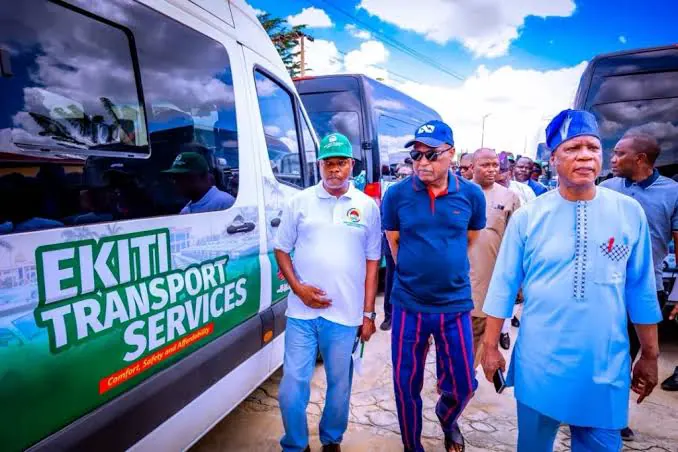
In Kwara, Ekiti, Plateau, and Enugu, government-backed schemes have resulted in cheaper fares on selected routes. For example, in Plateau State, the Tin City Metro Bus scheme provides relief for commuters, with passengers traveling between Anguldi and Farin Gada paying N200 for a one-way journey. However, commercial operators in several other states continue to resist fare reductions, citing high petrol prices, spare-parts costs, maintenance expenses, and other operating challenges.
The Presidential Initiative on CNG and Electric Vehicles reported that over 120,000 vehicles have been converted, and more than 90 refueling stations have been established nationwide. The initiative also stated that fare reductions have already begun on some routes and that October 1 was a point for the federal government to begin monitoring the rollout rather than a requirement for every state to cut fares simultaneously.
A review of developments across some states showed that the response varied considerably. In Rivers, Ogun, Benue, Sokoto, Zamfara, Kebbi, and Taraba, high petrol prices and other operating costs made an immediate reduction in transport fare difficult. Former Vice President and presidential candidate of the African Democratic Congress (ADC), Atiku Abubakar, called on the administration of President Bola Tinubu to emulate Germany, which recently reduced fuel tax.
As the federal government continues to monitor the rollout of the National Affordable CNG Transit Programme, Nigerians are eagerly awaiting the realization of measurable reductions in transportation costs. With some states making progress and others facing challenges, the success of the initiative remains to be seen. The Presidential CNG Initiative has made significant strides, but the uneven response across states highlights the complexities of implementing a nationwide program.
Key points
- Several Nigerian states have begun deploying CNG buses to reduce transport fares.
- The federal government's directive for fare reductions has been met with varying responses across states.
- The Presidential Initiative on CNG and Electric Vehicles has converted over 120,000 vehicles and established over 90 refueling stations nationwide.