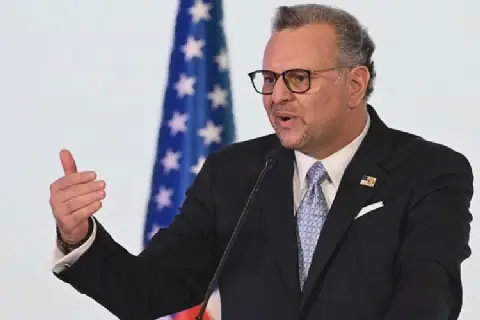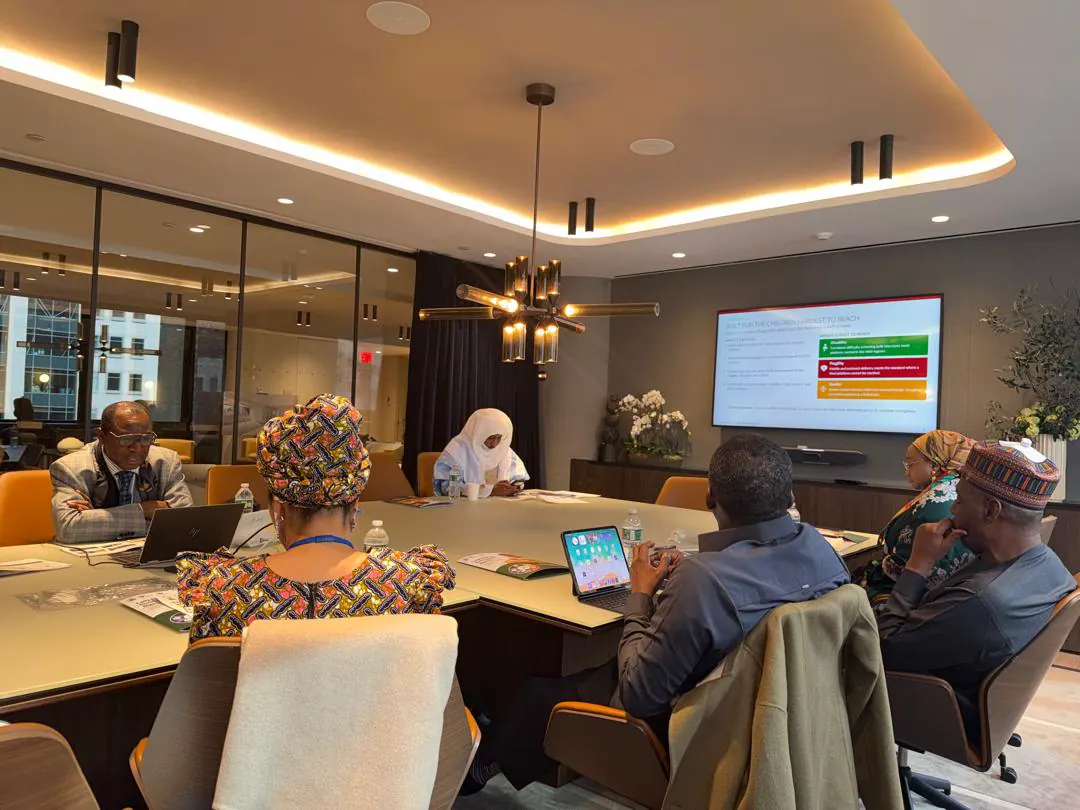
The Nigerian government is advancing an integrated early childhood development agenda aimed at ensuring every child receives coordinated support in health, nutrition, responsive caregiving, early learning, and protection during the critical first years of life. This initiative, represented by the Minister of Women Affairs and Social Development on behalf of Vice President Kashim Shettima, marks a shift from fragmented interventions to a comprehensive approach. The goal is to have every Nigerian child “Ready by Five,” equipped with the necessary foundation for future success.
The Ready by Five framework focuses on the first 2,000 days, from conception to age five, and is built around five pillars of nurturing care: good health, adequate nutrition, responsive caregiving, early learning, and safety and security. Dr. Ado J.G. Muhammad, Federal Coordinator, Human Capital Development 2.0, presented the agenda at the 81st United Nations General Assembly in New York. This framework aims to address the current disparity where 98 per cent of Nigerian children under two are reached by at least one intervention, but only 7.4 per cent receive half of the services they are entitled to.
The initiative seeks to move beyond simply reaching children to ensuring each child receives a coordinated package of services. To achieve this, the government will leverage existing community platforms across 8,809 wards, including primary healthcare centres, early childcare facilities, women’s groups, markets, and farms. This strategy aims to utilize current infrastructure effectively, ensuring that services are delivered efficiently and reach the target population.
A proposed integrated child-data system will link digital identity with health, education, social protection, and civil registration records. This system will enable the government to track services received by each child and identify those being missed. By having a unified database, the government can ensure that no child falls through the cracks and that resources are allocated effectively.
The programme is now moving towards implementation, with states developing investment plans ahead of the budget cycle. Government and development partners are refining costing and delivery mechanisms to ensure a smooth rollout. This collaborative approach aims to ensure that all stakeholders are aligned and working towards the same objectives.
The Emir of Kano, HRH Sanusi Muhammad II, emphasized the importance of collaboration with traditional institutions. He noted that their knowledge of local communities makes them critical to effective grassroots implementation. The event, which brought together senior government officials and development partners, reaffirmed support for the Ready by Five agenda.
The stakeholders, including the Deputy Chief of Staff to the President, the Governor of Borno State, and Minister of State for Budget and National Planning Doris Uzoka-Anite, alongside development partners like the World Bank, are committed to strengthening the foundations of Nigeria’s human capital. The Ready by Five agenda seeks to ensure every child enters school healthier, better nourished, protected, and prepared to learn, thereby setting the stage for future national development.
Key points
- The Nigerian government aims to have every child “Ready by Five” through an integrated early childhood development agenda.
- The initiative focuses on the first 2,000 days of a child’s life, from conception to age five.
- The programme will leverage existing community platforms and an integrated child-data system to track services and ensure no child is left behind.