On September 20, 2026, the Collective of Community Internet Access Providers of Niger (CFAIC-Niger) called for regulations on Wifi Zones that consider ground realities. This would enable thousands of youths who depend on the service to comply with regulatory requirements. CFAIC-Niger's president, Hamadou Ali David Malik, expressed support for President Abdourahamane Tiani, the National Council for the Safeguard of the Homeland (CNSP), and the government.
The CFAIC-Niger has been mobilized since September 5, 2025, to have the Wifi Zone sector recognized, regulated, and protected. The collective's goal is to ensure that the sector, which sustains thousands of young people, operates under good conditions and contributes to connecting Niger from cities to rural areas. They welcomed the adoption of the June 30, 2026 decree (n°000034) that sets conditions for providing Wifi Zone services in Niger.
The decree constitutes the "act of birth" for the Wifi Zone activity, allowing it to be inscribed in a regulatory framework under a free-entry regime subject to declaration. However, challenges remain regarding sector regulation, with certain provisions raising concerns among providers. The collective met with the Ministry of Communication and Information Technologies on August 13, 2026, to discuss these concerns.
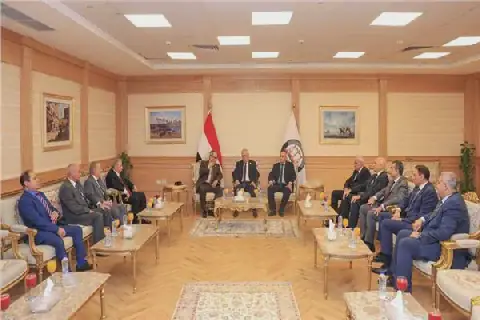
During the meeting, attended by ministry officials and the Electronic Communications and Postal Regulatory Authority (ARCEP), CFAIC-Niger presented several concerns and proposals. These included the use of equipment necessary for Wifi Zone exploitation, application fees, annual royalties, technical limitations, and the need for a six-month deadline to comply with new regulations.
The collective's president, Hamadou Ali David Malik, stated that they were heard and received explanations on several points, but some concerns still need examination. The collective also noted that it would continue to engage with stakeholders to address these issues. The Wifi Zone sector plays a vital role in providing internet access, particularly in rural areas.
Hamadou Ali David Malik condemned the events of August 28 and 29, 2026, and welcomed their failure, which he described as an attempted destabilization. The collective reaffirmed its support for the President, CNSP, and government, emphasizing its commitment to contributing to Niger's sovereignty.
The CFAIC-Niger's efforts aim to ensure that the Wifi Zone sector operates within a conducive regulatory environment, allowing it to continue providing essential services to thousands of young people and communities across Niger. The collective's advocacy seeks to balance regulatory requirements with the sector's needs and realities on the ground.
Key points
- The CFAIC-Niger urges adapted regulations for Wifi Zones to consider ground realities and enable thousands of youths to comply with regulatory requirements.