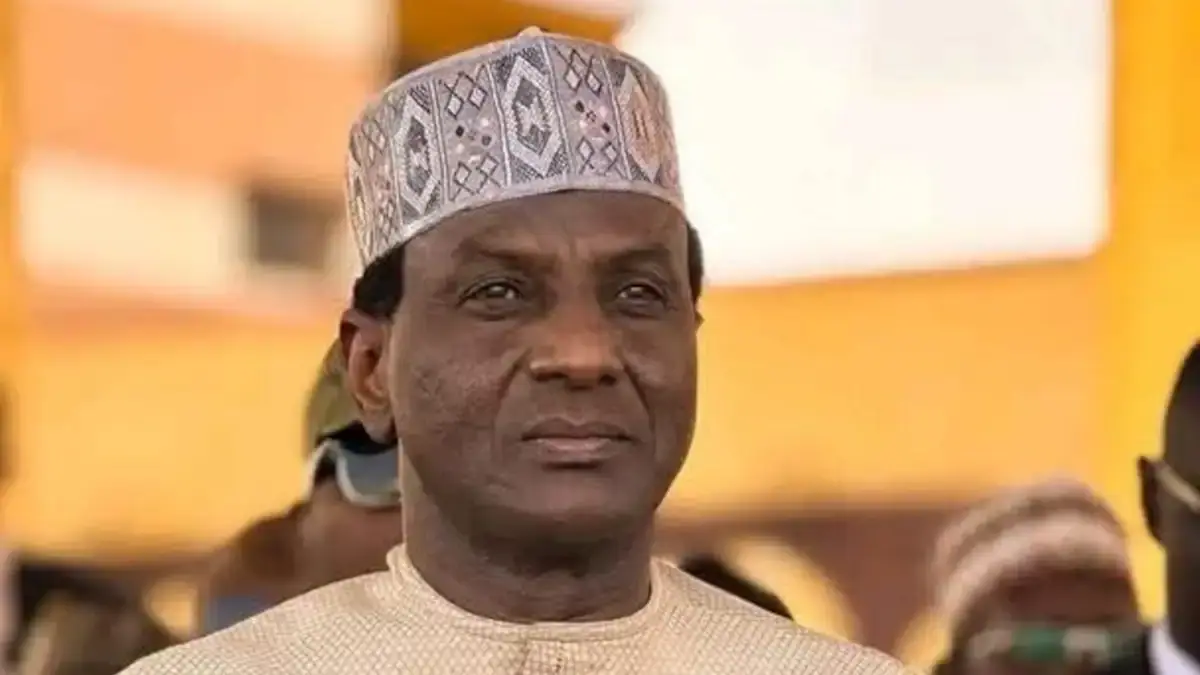
On November 1, 2026, Niger's Prime Minister Ali Mahamane Lamine Zeine arrived in Benghazi, Libya, for a visit aimed at strengthening ties with the eastern Libyan government, led by Khalifa Haftar. Zeine was received by Oussama Hammad, head of the eastern Libyan government, which is not recognized by the United Nations. The visit comes after months of strained relations between Niamey and Benghazi. Zeine's delegation included high-ranking military officials, indicating a significant security component to the trip.
The visit is seen as an effort to revive cooperation between the two governments, which had previously enjoyed close ties. In August 2024, Niger's Interior Minister visited Benghazi to reactivate security agreements. Additionally, Saddam Haftar, son of Khalifa Haftar, was received in Niamey on May 23, 2025, by General Abdourahamane Tiani. However, recent reports suggest that Niamey has shifted its focus towards Tripoli, the seat of the UN-recognized government.
The Libyan conflict has led to a division of power, with two rival governments vying for control. The Government of National Unity, led by Abdelhamid Dbeibah, is based in Tripoli and recognized by the UN. In contrast, the eastern government, led by Hammad, derives its authority from the House of Representatives and relies on Haftar's military. Zeine's visit may help to ease tensions and restore cooperation between Niger and the Haftar-led government.
The security aspect of Zeine's visit is significant, given the presence of high-ranking military officials in his delegation. However, no meeting with Khalifa Haftar has been announced. The visit may also be seen as a response to recent developments, including the arrest and subsequent release of Mahmoud Sallah, a rebel leader who had been attacking Niger's oil pipeline.
The relationship between Niger and Libya has significant implications for regional stability. Niger's economy relies heavily on its oil exports, which transit through Libya. Any disruption to this flow could have severe consequences for the country. Zeine's visit may help to address these concerns and ensure a more stable relationship between the two nations.
The eastern Libyan government, led by Hammad, faces significant challenges in asserting its authority. The UN-recognized government in Tripoli, led by Dbeibah, has long been seen as the legitimate authority in Libya. However, Haftar's military has maintained control over much of the east, and Hammad's government has been able to operate with relative freedom.
The outcome of Zeine's visit remains to be seen. However, the presence of high-ranking officials in his delegation suggests a serious effort to mend ties with the Haftar-led government. The visit may also mark a shift in Niger's approach to the Libyan conflict, as the country seeks to navigate the complex web of alliances and rivalries in the region.
Key points
- Niger's Prime Minister Ali Mahamane Lamine Zeine visits Benghazi to mend ties with Khalifa Haftar's government.
- The visit aims to revive cooperation on security and economic issues.
- The trip comes amid a complex backdrop of rival governments and armed groups in Libya.