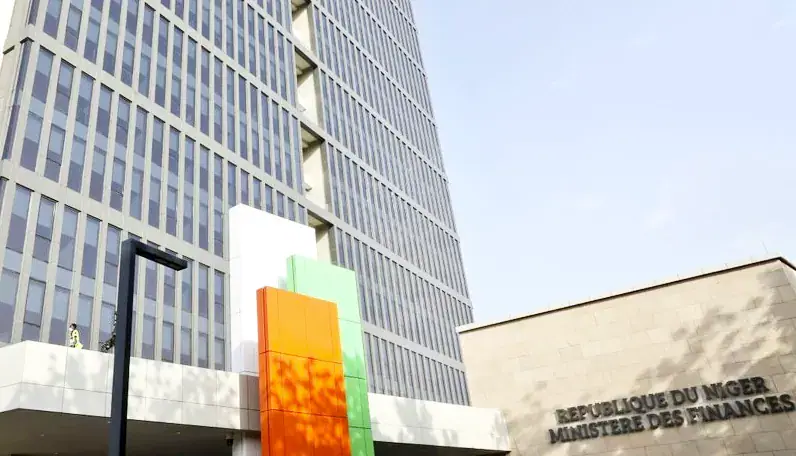
The Nigerien government is set to face a substantial financial obligation in 2027, with a total debt repayment of 669.46 billion FCFA due to regional creditors. This amount comprises 539.97 billion FCFA in capital and 129.49 billion FCFA in interest. The repayment is scheduled to take place over a 12-month period, posing a significant challenge to the country's treasury.
The revelation of this substantial debt repayment comes as the Nigerien government recently sought 40 billion FCFA on the regional UMOA-Titres market. This operation, which took place on November 5, 2026, is seen as a test of the market's confidence in the country's financial management. The success of this operation will be closely watched, as it will provide an indication of the interest rates the Nigerien government will have to pay to finance its 2027 debt repayment.
According to the daily newspaper L'Enquêteur, the government's ability to absorb this peak in debt repayment will be a critical issue in the preparation of the 2027 budget. Two traditional options are available to the treasury: mobilizing additional internal revenue or issuing new debt on the regional market to repay existing debts. The newspaper notes that the government's strategy for managing this debt will be closely watched.
The Nigerien government's efforts to finance its development through internal means may be boosted by the country's growing oil revenues. The increase in oil production and exports could provide a significant source of revenue for the government, helping to alleviate some of the pressure from the debt repayment. However, the government will still need to carefully manage its finances to meet its obligations.
The UMOA-Titres market plays a crucial role in providing financing for West African countries, including Niger. The market allows governments to issue debt securities to finance their development projects and meet their financial obligations. The success of Niger's debt repayment in 2027 will depend on various factors, including the country's economic performance and the market's confidence in its financial management.
The daily newspaper L'Enquêteur has highlighted the significance of the debt repayment deadline, describing it as a "wall of deadlines" that will require careful management by the government. The newspaper's analysis suggests that the government's strategy for managing this debt will have a significant impact on the country's financial stability and economic development.
As the Nigerien government prepares its 2027 budget, it will need to take into account the substantial debt repayment due in that year. The government will have to balance its financial obligations with its development needs, making difficult choices about how to allocate its resources. The success of its debt repayment will depend on various factors, including its ability to mobilize internal revenue and manage its debt effectively.
Key points
- The Nigerien government must repay 669.46 billion FCFA in debt in 2027.
Reporting sources
- Dette publique : le Niger doit rembourser 669 milliards de FCFA en 2027 · Nigerdiaspora - Niger