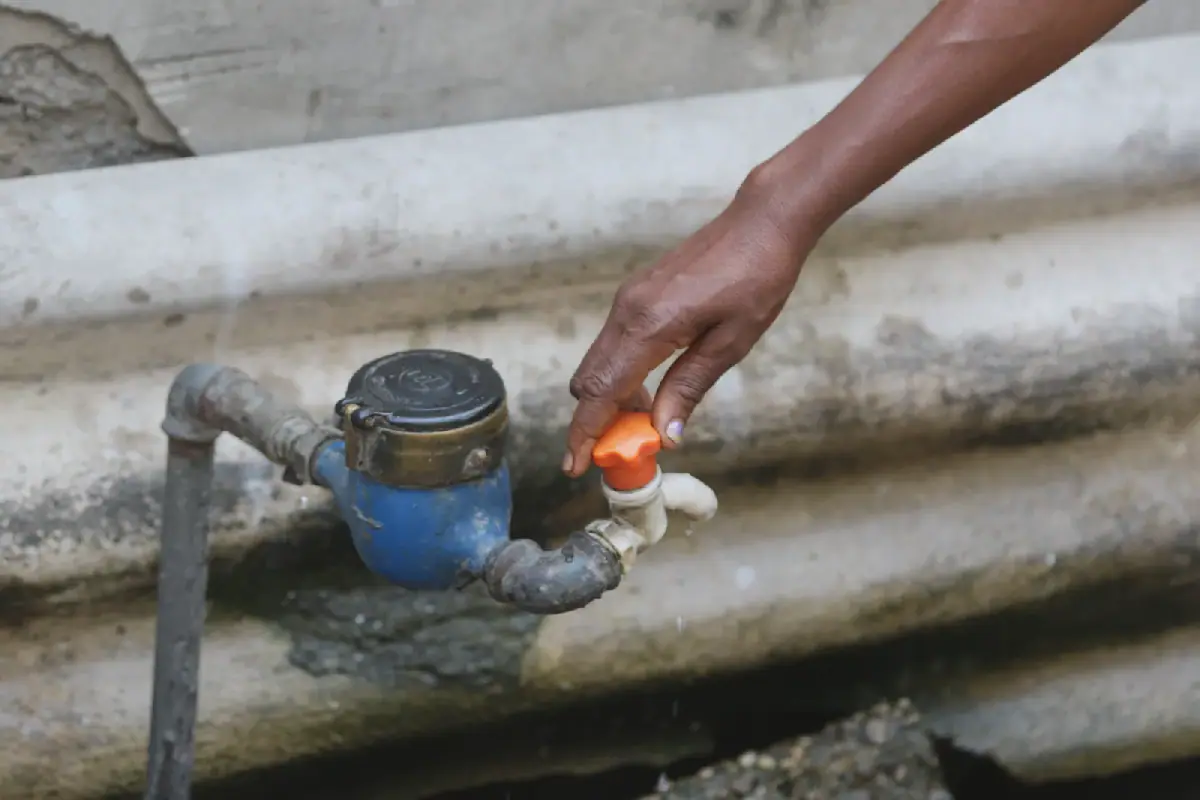
A severe water shortage has struck several communes in Kinshasa, Democratic Republic of the Congo, leaving residents waiting for days or even weeks for the taps to run again. The REGIDESO, the city's water utility, has attributed the crisis to a combination of factors, including technical faults, adverse climate conditions, and vandalism. According to René Descartes Toko, REGIDESO's director of distribution for Kinshasa-Ouest, the recent heavy rainfall has significantly impacted the quality of water collected from certain rivers.
The heavy rainfall has caused increased turbidity in the raw water, making treatment more complicated at production plants. In some cases, the plants have had to slow down or temporarily halt operations to ensure the quality of the distributed water. Toko cited the example of the Lukaya River, where construction along the riverbanks has led to erosion of sand, soil, and laterite into the water during rainfall. This has resulted in higher levels of sediment in the water, requiring additional treatment steps.
Vandalism has also been identified as a major contributor to the water shortage. Toko reported that several REGIDESO installations have been affected by acts of vandalism and poor waste management. He noted that waste dumped into drains often ends up at the water collection points, clogging equipment and reducing production capacity. The communes of Bumbu, Bandalungwa, and Kasa-Vubu in western Kinshasa have experienced significant disruptions due to these issues.
The REGIDESO director emphasized that the continuity of service depends on the company's financial resources. He urged subscribers to pay their bills regularly to enable the company to fund maintenance, repairs, and equipment upgrades. Toko's comments were made during an interview with Radio Okapi on November 6. The REGIDESO is working to address the challenges and restore a stable water supply to the affected areas.
The water shortage has had a significant impact on the daily lives of Kinshasa's residents. Many have been forced to rely on alternative sources of water, which can be unreliable and often expensive. The situation has also raised concerns about public health, as contaminated water can lead to the spread of waterborne diseases. The REGIDESO has assured residents that it is working to resolve the issue as quickly as possible.
In addition to addressing the immediate causes of the water shortage, the REGIDESO is also looking at long-term solutions. These include upgrading infrastructure, improving waste management, and implementing measures to mitigate the impact of climate change. The company is working closely with local authorities and international partners to develop a comprehensive plan to address the water supply challenges facing Kinshasa.
The water shortage in Kinshasa highlights the need for sustained investment in the city's infrastructure. The REGIDESO has called for increased support from the government and international donors to help upgrade its facilities and improve service delivery. With a growing population and increasing demand for water, the utility faces significant challenges in providing a reliable and sustainable service.
Key points
- REGIDESO cites vandalism, climate conditions, and technical faults as causes of water shortage
- Water shortage affects several communes in Kinshasa, including Bumbu, Bandalungwa, and Kasa-Vubu
- REGIDESO urges subscribers to pay bills regularly to support service delivery