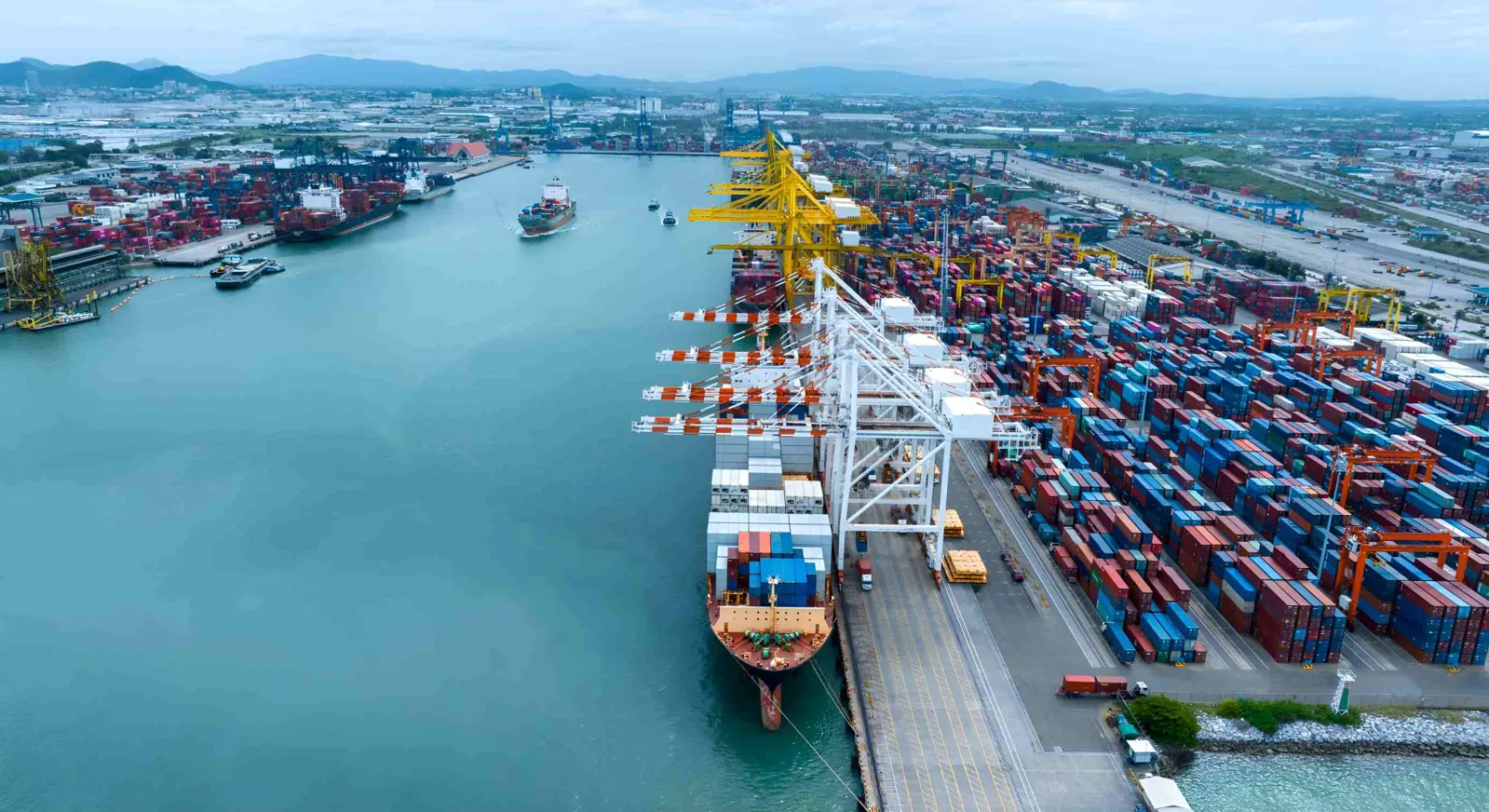
The Port of Mombasa is set to handle a new stream of petroleum cargo from Rwanda, with the landlocked country preparing to receive its first fuel shipment from Oman under a government-to-government supply deal. The vessel, MT Sea Wolf, is due at Mombasa on Tuesday carrying Rwanda's maiden bulk cargo under the arrangement. The shipment will be discharged at Kipevu Oil Terminal 2, marking the beginning of a new supply route that will move Rwanda-bound petroleum products through Kenya.
The deal is expected to bring more fuel cargo through Mombasa and the Kenya Pipeline Company (KPC) system, creating additional business for the port, pipeline operator, transporters, storage facilities and other firms serving the Northern Corridor. The scale of the expected change is reflected in Rwanda's projected petroleum volumes through the corridor, which are expected to increase from about 42,000 cubic metres in 2025 to more than 500,000 cubic metres each year.
The new route follows a memorandum of understanding and two implementing agreements signed by Kenya and Rwanda in June. The agreements provide the framework for importing, transporting and storing refined petroleum products through Kenya. Under the arrangement, Rwanda will have access to Mombasa and KPC's petroleum infrastructure through a government-backed system.
OQ Trading, the energy and commodity trading arm of the Sultanate of Oman, is supplying the fuel. The company is fully owned by the Omani government and was established in 2006. Its headquarters are in Muscat, Oman's capital. This deal marks a shift from Rwanda's long-standing dependence on the Central Corridor through Tanzania.
Rwanda's increased use of the Northern Corridor marks a significant change in its petroleum import strategy. The country has traditionally received most of its petroleum imports through Dar es Salaam, while about 30 per cent of its fuel has been supplied through Kenyan oil market players. The first G-to-G cargo is therefore expected to give Mombasa additional petroleum volumes while increasing the use of its fuel handling facilities.
The arrangement could also give KPC access to a larger transit market as different regional transport corridors compete for cargo from landlocked countries. KPC runs a 1,342-kilometre pipeline system linking Mombasa with Nairobi, Nakuru, Eldoret and Kisumu. The infrastructure can handle about 14 billion litres of petroleum products annually.
KPC has also introduced a special storage arrangement aimed at making the Kenyan route more convenient for Rwandan importers. Under the incentive, Rwanda-bound petroleum cargo can remain in storage for up to 90 days instead of the normal 35 days, initially for two years. The extended period is intended to give importers more room to manage their fuel stocks and reduce the pressure to evacuate cargo from Kenyan facilities within a short period.
Key points
- The Port of Mombasa is set to handle a new stream of petroleum cargo from Rwanda under a government-to-government supply deal.
- The deal is expected to bring more fuel cargo through Mombasa and the Kenya Pipeline Company (KPC) system.
- Rwanda's projected petroleum volumes through the corridor are expected to increase from about 42,000 cubic metres in 2025 to more than 500,000 cubic metres each year.