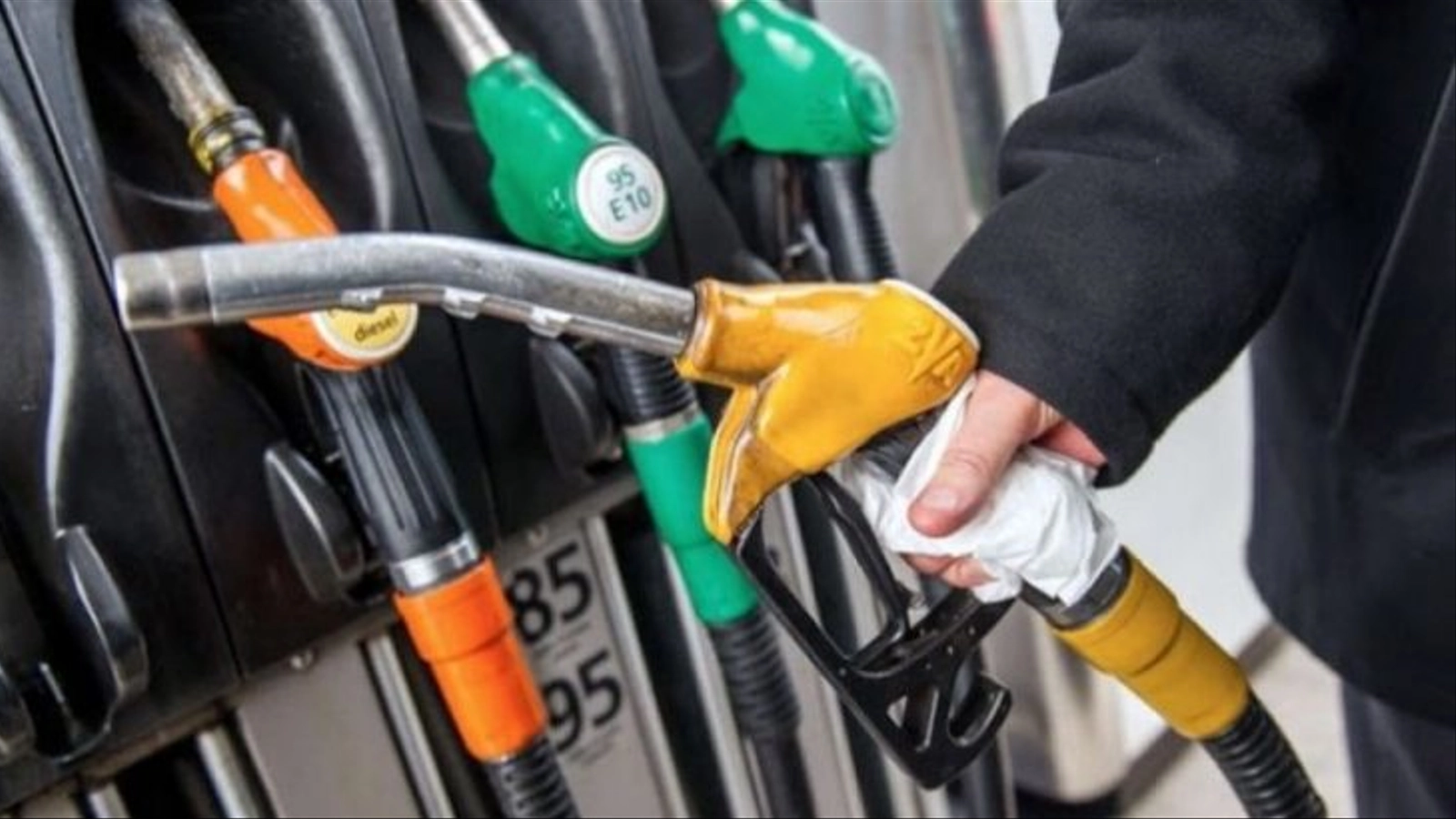
The new Moroccan government has begun its term with a significant decision, increasing fuel prices effective October 1st. The price of premium gasoline has risen by 0.44 dirhams per liter, while diesel has increased by 0.85 dirhams per liter. These changes vary across different distribution companies, adding to the financial burden on millions of consumers. This move comes as a shock to Moroccan citizens, who are already feeling the strain of rising living costs.
This recent increase is not an isolated incident; it is part of a continuous upward trend in fuel prices since mid-summer 2026. Diesel, in particular, has seen substantial hikes, with prices in some stations exceeding 15 dirhams per liter. Over a few short weeks in September, diesel prices accumulated increases of nearly 2.40 dirhams per liter. These successive hikes have left many worried about the broader economic implications and the impact on daily life.
The effects of rising fuel prices extend far beyond just transportation costs. As diesel is a critical component for various economic activities, including the transportation of goods and services, increased prices lead to higher operational costs. These costs are inevitably passed on to consumers, contributing to inflation and further straining the social fabric. For ordinary Moroccans, the direct consequence is a decrease in purchasing power and a challenging financial situation.
The timing of this decision is particularly sensitive, as it marks the beginning of the new government's term. The public's reaction has been one of concern and frustration, as citizens feel that they are shouldering the burden of economic adjustments. The government's decision to increase fuel prices, despite the challenges it poses to the population, reflects the complexities of managing economic policies and the need for fiscal adjustments.
The issue at hand is not merely the amount of the increase but the pattern it establishes. Following each previous hike, another has followed, creating a sense of uncertainty and financial insecurity for citizens. This cycle of continuous price increases shifts the burden of economic challenges onto the shoulders of ordinary people, who are already struggling with the rising cost of living.
The new government's challenge lies in balancing economic necessities with the welfare of its citizens. As Moroccans navigate their daily lives, the impact of fuel price hikes is felt across various aspects of their lives, from transportation costs to the prices of goods and services. The government's ability to address these concerns while implementing necessary economic reforms will be crucial in determining its success and public support.
Moving forward, the Moroccan government will need to consider the cumulative effect of its policies on the population. With fuel prices likely to remain a point of contention, finding a balance between economic stability and social welfare will be essential. The government's strategy for managing fuel prices and mitigating their impact on citizens' lives will be a key factor in shaping public perception and trust in its leadership.
Key points
- The new Moroccan government has increased fuel prices, effective October 1st, contributing to concerns about living standards.
- This move is part of a larger trend of rising fuel prices since mid-summer 2026, affecting diesel and gasoline.
- The impact of these increases extends beyond transportation costs, influencing the broader economy and daily life for Moroccans.