The politics of insult has become a deliberate strategy in Ghana's political landscape, where politicians and their communicators use personal attacks to discredit opponents and attract voters. This approach has led to a broader societal atmosphere where rudeness and name-calling have become normalized. The culture of insults has been fueled by social media, with users, youth mimicking leaders, and sensationalized media platforms contributing to the pervasive atmosphere of disrespect.
The difference between politics of insult and culture of insult lies in their scope and actors. Politics of insult is a targeted political weapon used by political elites and their associates, while culture of insult is the wider polluted ecosystem that surrounds and sustains it. The latter has led to a decline in public standards of accountability and has degraded traditional values of respect.
However, it's essential to distinguish between the politics and culture of insults and permissible customs of banter and teasing in some parts of Ghana. Certain tribes, such as the Bono tribe, have a season during which they can vilify their local traditional leaders as a form of social harmony and cleansing.
The history of politics and culture of insults in Ghana dates back to the birth of the Gold Coast. In 1977, General IK Acheampong proposed a system of government called Union Government to end tribal politics and rancor. The culture of silence during the PNDC era seemed to have curbed the trend, but it intensified with the advent of the Fourth Republic and the rise of competitive multi-party politics.
The rapid expansion of private TV and radio stations, coupled with the IT revolution, has fueled the politics and culture of insults. Social media platforms like Facebook, YouTube, Twitter, and TikTok have further weaponized political rhetoric, allowing anonymous and direct vitriols to overshadow issue-based governance.
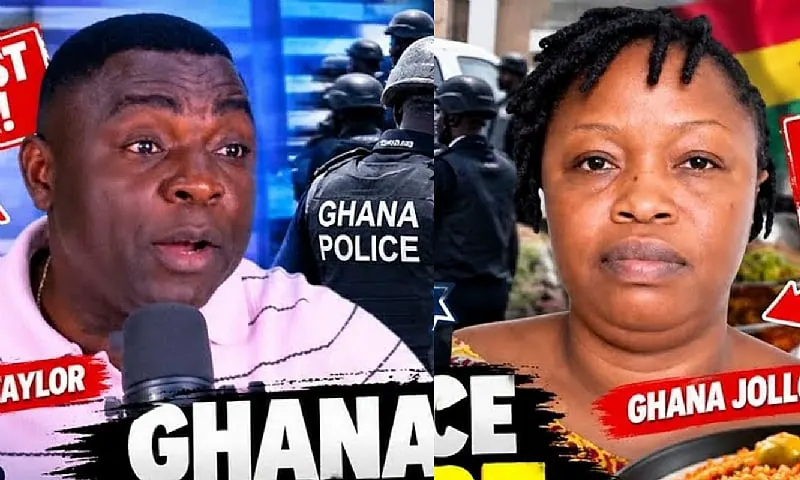
A notable example of the culture of insults is the online feud between Kevin Taylor, an aggrieved member of the NPP based in the United States, and various personalities, including Ghana Jollof, who has been a principal responder to Taylor's vitriol actions. Their online battles have played out on Facebook, YouTube, and TikTok, with thousands of followers engaging with their posts.
To end the menace of politics and culture of insults, it's crucial to discourage bad conduct by talking against it and stopping the rewarding of such behavior. Prevention and a return to traditional values of respect can help mitigate the effects of this pervasive culture.
Key points
- The politics and culture of insults have become a growing concern in Ghana's political landscape.
- Social media has played a significant role in fueling the culture of insults.
- Distinguishing between permissible customs of banter and the politics and culture of insults is essential.