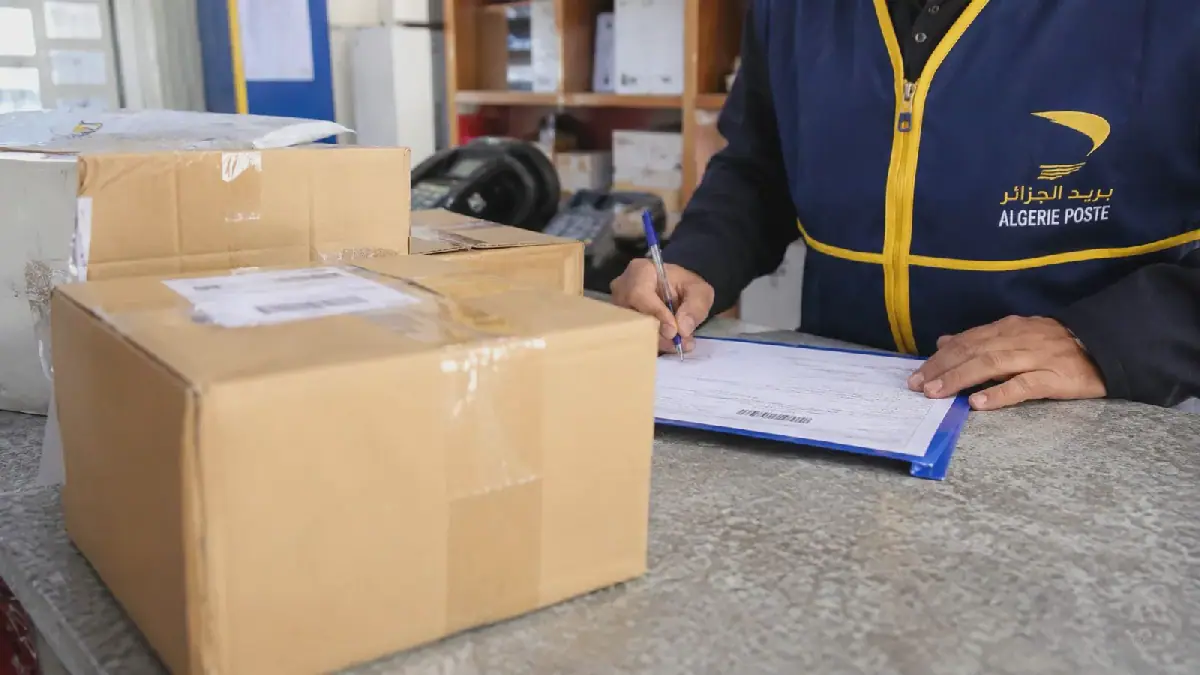
The European Union has introduced new fees for parcels imported from outside the EU, effective November 1, 2026. The fees, which amount to 2 euros per category of items, will be applied to all online purchases made from outside the EU. This change has raised concerns among families who regularly send parcels between Algeria and France. The fees are intended to fund customs controls, which have revealed that over 60% of checked items do not meet EU standards.
The new fees will not apply to parcels sent by individuals to their families or friends in France. These parcels are not considered commercial shipments and are therefore exempt from the new fees. However, if a parcel is sent from Algeria to France as a gift, it will be subject to certain conditions. The parcel must be worth 45 euros or less, and it must not be a regular or commercial shipment. If the parcel exceeds this value, the recipient will be required to pay taxes on the entire value of the parcel.
The new fees will only apply to parcels purchased online from outside the EU. This means that if an individual buys a product online from an Algerian seller and has it shipped to France, they will be subject to the new fees. The fees will be paid by the seller or the shipping company, but they may be passed on to the buyer. It is essential for buyers to check the prices and fees before making a purchase.
Parcels sent from France to Algeria will not be affected by the new fees. However, they will still be subject to Algerian customs regulations. Individuals sending parcels to Algeria should familiarize themselves with the relevant regulations and tax thresholds. The Algerian postal service and shipping companies can provide more information on the products that are allowed and the taxes that may be applied.
The new fees are part of a broader effort to regulate online shopping and ensure that imported goods meet EU standards. The EU has been working to strengthen its customs regulations and prevent the importation of counterfeit or substandard goods. The new fees will help to fund these efforts and ensure that online shoppers are protected.
Consumers should be aware of the risks of scams and fake messages that claim to be from customs or shipping companies. These scams often ask for payment or personal information and can be used to steal sensitive data. Individuals should be cautious when receiving unsolicited messages and verify the authenticity of any requests before responding.
In conclusion, the new European fees for parcels from Algeria to France will primarily affect online shoppers who purchase products from outside the EU. Individuals who send parcels to their families or friends in France will not be subject to the new fees, but they should still be aware of the customs regulations and tax thresholds that apply. By understanding the new fees and regulations, individuals can avoid any potential issues or surprises when sending or receiving parcels between Algeria and France.
Key points
- The new European fees for parcels imported from outside the EU will not apply to parcels sent by individuals to their families or friends in France.
- The fees will only apply to online purchases made from outside the EU and will be paid by the seller or shipping company.
- Parcels sent from France to Algeria will not be affected by the new fees but will still be subject to Algerian customs regulations.