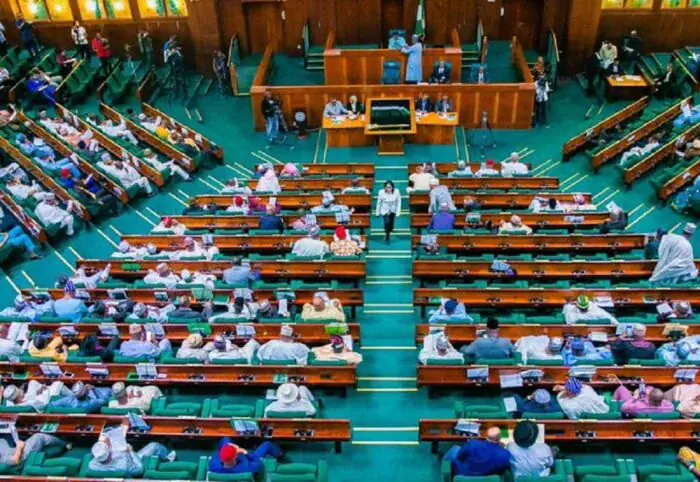
The House of Representatives has intensified efforts to address longstanding regulatory and institutional deficiencies in Nigeria's housing and real estate sector. A proposed National Real Estate Regulatory Authority is expected to provide a coordinated framework for market oversight, consumer protection, and investment promotion. This initiative aims to close regulatory loopholes, streamline institutional responsibilities, and strengthen accountability across the real estate value chain.
Chairman of the House Committee on Housing and Habitat, Hon. Abdulmumini Jibrin, disclosed this information at a stakeholder conference on the Proposed National Real Estate Regulatory Authority (NRERA) in Abuja. The conference, themed 'One Vision, One Ecosystem, One National Housing and Real Estate Plan,' brought together stakeholders to discuss the proposed regulatory authority. Jibrin noted that Nigeria had yet to harness the economic opportunities available in its housing and real estate sector due to fragmented institutional responsibilities and weak regulatory oversight.
According to Jibrin, an assessment undertaken by his committee exposed structural weaknesses that undermine the sector's capacity to attract investment, expand housing delivery, and contribute to national development. One major challenge is the limited jurisdiction of the Federal Ministry of Housing and Urban Development over several agencies and institutions integral to housing delivery and real estate development. Jibrin argued that the absence of clearly defined institutional relationships had created regulatory overlaps and gaps.
The proposed legislation aims to establish a more coherent regulatory environment, particularly in a market where property developers can solicit investments from unsuspecting Nigerians without sufficient institutional scrutiny. Jibrin cautioned against reducing the industry's challenges to the activities of unscrupulous developers alone, stressing that consumer awareness and financial responsibility are equally important to the integrity of property transactions. He noted that some prospective homeowners enter into housing agreements without adequately assessing their financial capacity.
The Minister of Housing and Urban Development, Dr. Muttaqha Rabe Darma, expressed the Federal Government's commitment to addressing the structural and institutional challenges limiting the performance of the housing sector. Darma disclosed that the ministry had convened a similar stakeholder engagement in July, examining issues relating to Nigeria's housing deficit, estimated at over 50 million housing units. He noted that the country's population of about 240 million people, coupled with limited access to mortgage financing, underscores the urgency of developing a more functional housing finance and delivery system.
Darma endorsed the objectives of the stakeholder conference and the proposed regulatory authority, describing a coordinated approach to housing development, real estate investment, and mortgage financing as necessary for sustainable sectoral growth. He recommended that the proposed authority be domiciled within the Federal Ministry of Housing and Urban Development to facilitate policy coordination and ensure alignment with existing government programs. Darma cited examples from Singapore, Dubai, Malaysia, the United Kingdom, and Rwanda, where comparable regulatory institutions have been established within ministries responsible for housing and the built environment.
The Managing Director and Chief Executive Officer of the Ministry of Finance Incorporated (MOFI), Dr. Armstrong Ume Takang, commended the House of Representatives for engaging stakeholders in the proposed regulatory authority. The establishment of the National Real Estate Regulatory Authority is expected to strengthen the existing housing ecosystem, ensuring that every government agency is empowered to perform its statutory role according to its Act. The proposed authority will also define the obligations of developers and consumers, establish effective dispute-resolution mechanisms, and ensure compliance with clearly articulated industry standards.
Key points
- The proposed National Real Estate Regulatory Authority aims to provide a coordinated framework for market oversight, consumer protection, and investment promotion in Nigeria's housing and real estate sector.