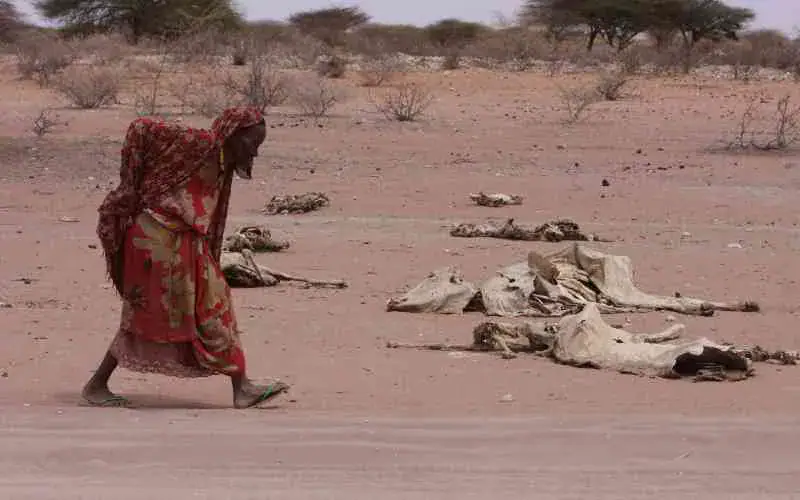
The National Drought Management Authority (NDMA) has expressed concern over the deteriorating nutrition condition in over 60% of Arid and Semi-Arid Land (ASAL) counties. According to the authority, the situation is attributed to the high cost of foodstuffs, reduced milk consumption, and consumption of less diverse foods. Other factors contributing to the crisis include illness, poor child care practices, and inadequate health services.
The NDMA has identified Baringo, Samburu, Turkana, West Pokot, and Laikipia as the most affected counties by drought. The authority's monthly report indicates that the nutrition situation was worsening in 67% of the counties where the risk of malnutrition was already above the long-term average. Acute malnutrition remains a critical concern in ASALs, driven by previous food insecurity, high morbidity levels, and sub-optimal child care practices.
The NDMA report notes that the nutrition situation is also worsening in 50% of those counties where the risk of malnutrition was below the long-term average. The authority has called for continued monitoring of vegetation condition, water availability, and livestock body condition as the country waits for the onset of the October-December short rains. The forecast shows above-average rainfall over most of the ASAL region, with the highest probabilities in the north-east and along the coast and lower Tana River.
The harsh weather has been compounded by a rise in livestock diseases, with West Pokot, Baringo, Wajir, and Mandera recording the highest numbers. Among the diseases recorded are PPR, CCPP, FMD, LSD, CBPP, ECF, anaplasmosis, and trypanosomiasis. The authority warns that the anticipated El Nino rains may increase livestock movement and disease transmission around replenished water sources, making continued surveillance, vaccination, and timely treatment important.
On water accessibility, the authority noted that drying up of open water sources and reduced yields from shallow wells during the dry spell had forced households to travel longer distances in search of water. Counties where livestock are currently trekking longer than the average distance reported drying up of open water sources and migration as the main factors. This has further exacerbated the nutrition crisis in the affected counties.
The NDMA has attributed the deteriorating nutrition situation to a combination of factors, including drought, high food prices, and poor health services. The authority has urged the government and stakeholders to take urgent action to address the crisis. The situation is expected to improve with the anticipated El Nino rains, but the authority has emphasized the need for continued monitoring and intervention to mitigate the effects of the drought.
The drought situation has had a significant impact on the livelihoods of communities in ASAL counties, with many households struggling to access basic necessities like food, water, and healthcare. The NDMA's report highlights the need for a coordinated response to address the crisis, including provision of emergency food assistance, health services, and support for livestock farmers. The authority's concerns over the deteriorating nutrition situation in ASAL counties underscore the need for sustained efforts to address the root causes of the crisis.
Key points
- The National Drought Management Authority warns of worsening nutrition situation in 67% of ASAL counties.
- The authority attributes the situation to high cost of foodstuffs, reduced milk consumption, and consumption of less diverse foods.
- The anticipated El Nino rains may improve the current drought conditions but also increase livestock movement and disease transmission.