The National Building Review Board (NBRB) of Uganda has released preliminary findings on the collapse of a four-storey extension at Pastor Brother Ronnie Makabai's Holy City Church in Bwerenga, Wakiso District. The board identified suspected structural design flaws, poor workmanship, and missing building approvals as potential causes of the disaster. The collapse, which occurred on Monday, October 26, resulted in one fatality and 25 injuries.
According to the NBRB, the building initially leaned and tipped over before the entire structure collapsed. The extension, comprising a ground floor and three upper floors, was being added to the existing church hall when the disaster occurred. Workers were carrying out final finishing activities, including laying terrazzo flooring, suggesting that the main structural works had been completed. The board's investigation raised questions about the building's structural design, construction quality, and professional supervision.
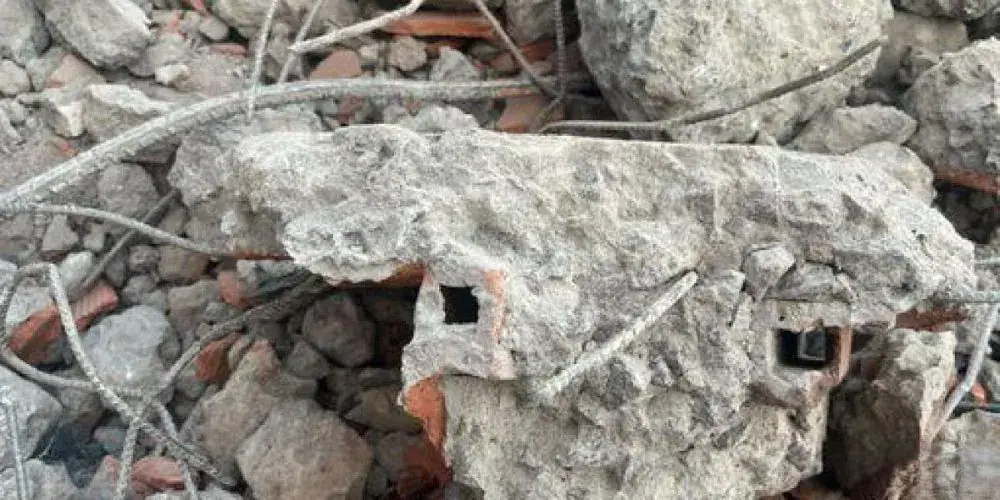
Inspectors found possible weaknesses in the design of the reinforced-concrete structure, including unusually large beams measuring up to 60 centimetres by 60 centimetres, some spanning more than six metres without intermediate support. The steel reinforcement bars embedded in the concrete floor slabs varied in size and were unevenly spaced, potentially compromising the strength and stability of the floors. These findings have sparked concerns about the construction process and the materials used.
The columns, beams, and floors of the collapsed extension were irregular in shape, suggesting poor workmanship and inadequate supervision by a qualified professional. The extension was attached to an older church hall built with a steel-frame structure, raising further questions about how the two structures were designed and connected. However, the board's preliminary findings do not yet establish the precise mechanism that caused the building to fail.
The NBRB classified the extension as a Class A building, requiring the highest level of regulatory approval and professional oversight. Yet, investigators found no building permit or approved drawings at the site. This lack of documentation and oversight has raised concerns about the regulatory compliance of the construction project. The board also reported that no site safety measures were observed during its inspection.
The deceased was identified as Francis Lukwago, a builder working at the site. The 25 injured survivors were rescued from the rubble and taken to Entebbe Grade B Hospital and Kisubi Hospital for treatment. The incident has sparked an outcry over the safety of buildings in the region and the need for stricter enforcement of building regulations. The NBRB is investigating the collapse, including the quality of construction materials and compliance with building regulations.
The NBRB's findings remain preliminary, and further investigations are expected to establish the cause of the collapse and any responsibility for the incident. The incident has highlighted the importance of ensuring that buildings are designed, constructed, and maintained to the highest standards to prevent such tragedies. The church community and local authorities are awaiting the final report to determine the next steps.
Key points
- The National Building Review Board identified structural design flaws, poor workmanship, and missing building approvals in the collapse of the church extension.
- The incident resulted in one fatality and 25 injuries, with the deceased identified as Francis Lukwago, a builder working at the site.
- The NBRB's investigation is ongoing, with further studies expected to establish the cause of the collapse and any responsibility for the incident.