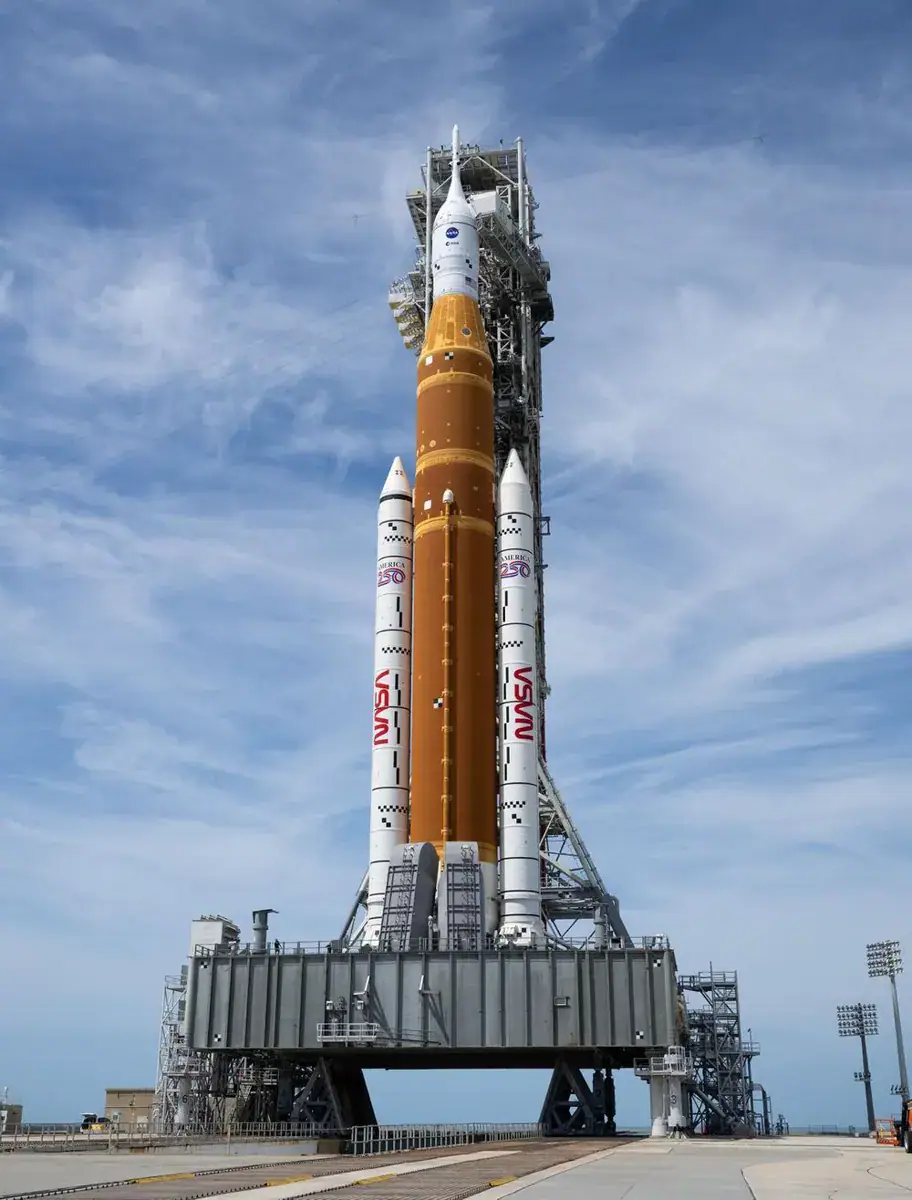
NASA has met with the National Sea Rescue Institute (NSRI) in Cape Town to discuss how South African teams could help rescue astronauts in the event of an emergency launch abort during a future crewed Artemis mission. The meeting was part of NASA's contingency planning for an Orion capsule splashing down off the Cape coast. Depending on the launch trajectory and when an emergency occurs, Cape Town falls within one of several potential recovery areas worldwide.
The NSRI, with over five decades of maritime rescue experience, has considerable expertise responding to emergencies alongside other agencies. The organisation's role in a potential astronaut rescue would focus on locating, reaching, and recovering astronauts and specialist rescue personnel at sea. If astronauts were injured and unable to wait for NASA or US Department of Defence recovery teams, the NSRI could potentially assist with an immediate rescue, provided the location was within its operational capabilities.
The NSRI's Head of Operations, Charl Maritz, said the visit came as a surprise, with NASA representatives making contact at very short notice. Maritz noted that the underlying challenges of a potential astronaut rescue were familiar to the organisation, saying, "At the heart of it, it is still about saving lives in difficult conditions and coordinating an effective response." The NSRI could also help transport astronauts and specialist rescuers back to shore for handover to South African emergency medical services.
Distance would be a critical factor in a potential rescue, with the Orion capsule potentially splashing down as far as 200 nautical miles from the coast. Maritz said the NSRI's main limitations would be its range and endurance – how far it can reach and how long it can remain at sea. The organisation's coastal rescue stations and skilled volunteer crews would play a crucial role in responding to an emergency.
NASA's presentation covered how the Orion spacecraft would behave following an emergency abort, including its parachute systems, self-righting equipment, and potential hazards for rescuers approaching the capsule. One of the concerns is hydrazine, the fuel used by the spacecraft's thrusters, which could continue venting after splashdown. Responders may need to wait until the area is safe before approaching the capsule.
During the Cape Town visit, NASA representatives also met with local trauma facilities to assess the region's emergency medical capabilities. NASA raised the possibility of a formal statement of intent outlining how the organisations could work together if an Artemis spacecraft returned near South Africa. Under such an arrangement, NASA would provide local responders with technical guidance on potential spacecraft hazards and safe approaches to the capsule.
The engagement gave both organisations an opportunity to better understand each other's capabilities and highlighted the value of local knowledge and cooperation when preparing for unlikely emergencies. For the NSRI, whether assisting a fisherman, a sailor, a medical evacuation patient or potentially an astronaut, its mission remains the same: people helping people when they need it most, wherever they can safely operate.
Key points
- NASA explores possibility of formal cooperation with NSRI for emergency response
- NSRI's role would focus on maritime rescue, while NASA's specialist teams would handle spacecraft-specific requirements
- Distance and hydrazine fuel venting are critical factors in potential Orion capsule rescue