The National Agricultural Research Organisation (NARO) in Uganda is exploring public-private partnerships to generate additional revenue from its existing research facilities. This move aims to reduce the organisation's dependence on government and development partner funding. NARO's proposed arrangements would allow private investors to participate in the commercial operation of selected facilities, with proceeds supporting agricultural research and technology development.
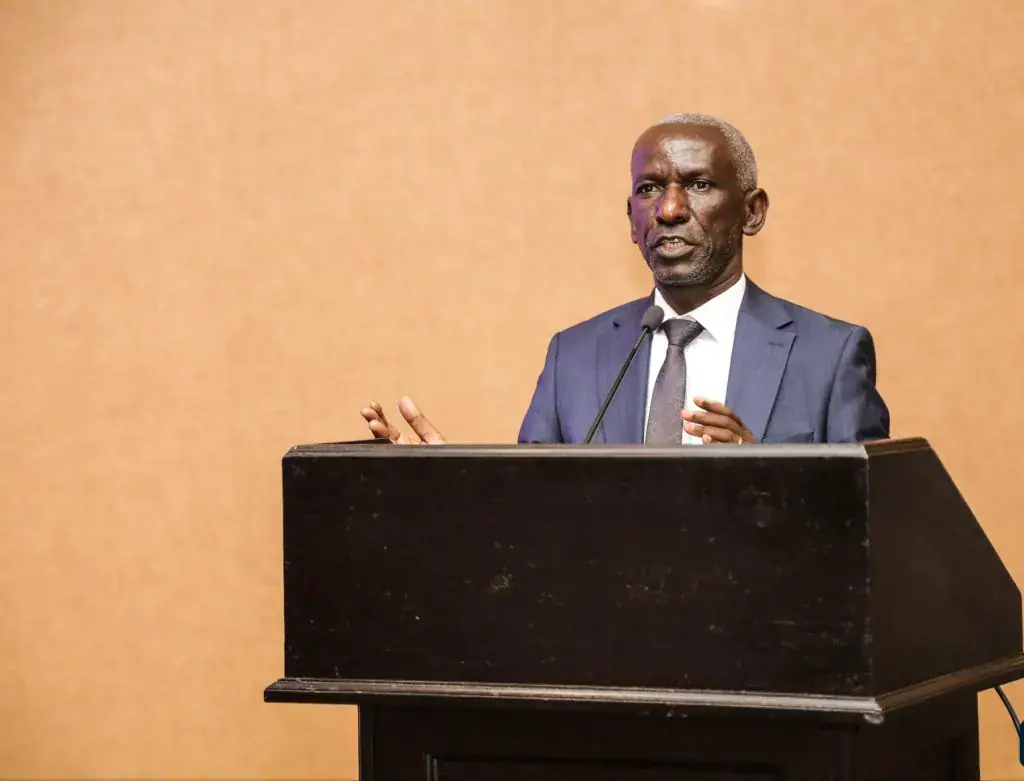
NARO Director General Dr. Yona Baguma stated that the organisation has invested in infrastructure and technologies that can generate revenue beyond their primary research functions. He identified several facilities being considered for commercial partnerships, including dairy processing plants, feed mills, garages, and accommodation facilities. These facilities are located across NARO's research institutes, such as the National Livestock Resources Research Institute (NaLIRRI) and the National Fisheries Resources Research Institute (NaFIRRI).
The proposed partnerships would enable NARO to make greater commercial use of machinery, processing facilities, and other infrastructure that may not be required continuously for research activities. Dr. Baguma emphasised the need for NARO to diversify its funding sources as financial support from development partners continues to decline. Although the government remains NARO's principal source of funding, additional financing is necessary to sustain research programmes and expand the application of agricultural innovations.
Dr. Baguma commended the government for increasing NARO's annual budget from Shs61 billion to Shs223 billion over the past decade. However, he stressed that the organisation needs to explore other sources of income to maintain its research activities and make better use of existing investments. NARO has already generated significant revenue from licensing private seed companies to produce and sell improved crop varieties developed by the organisation.
NARO reports significant commercial value from its research investments, including over Shs1 billion from licensing private seed companies. The organisation has also established seed production hubs, such as a coffee seed hub that generated products valued at over Shs20 billion during the last financial year. Additionally, investments in the anti-tick vaccine manufacturing facility have resulted in vaccine stock valued at over Shs20 billion.
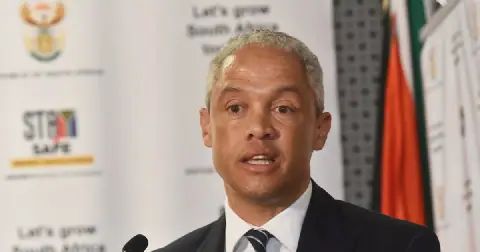
The Executive Director of the Public-Private Partnership Unit at the Ministry of Finance, Planning and Economic Development, Jim Mugunga, welcomed NARO's plans to attract private investment into its existing facilities. Mugunga stated that growing demands on public resources require government institutions to identify alternative financing arrangements that can supplement allocations from the national budget.
The proposed partnerships remain at the proposal and feasibility assessment stage, with specific investment arrangements yet to be concluded. NARO expects the initiative to create additional income streams, improve the utilisation of public research infrastructure, and provide more resources for agricultural research and technology development. The Public-Private Partnership Unit will work with relevant government institutions to examine the proposed investment opportunities.
Key points
- NARO seeks to reduce reliance on government funding by generating revenue from its research facilities through public-private partnerships.
- The proposed partnerships could improve the utilisation of expensive machinery and infrastructure that would otherwise remain idle outside scheduled research activities.
- NARO has already generated significant revenue from licensing private seed companies to produce and sell improved crop varieties developed by the organisation.