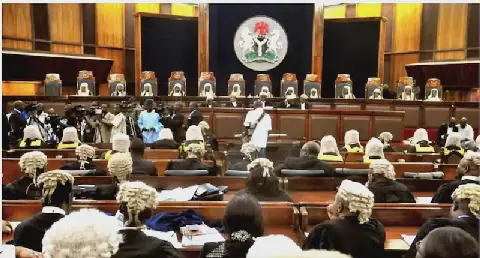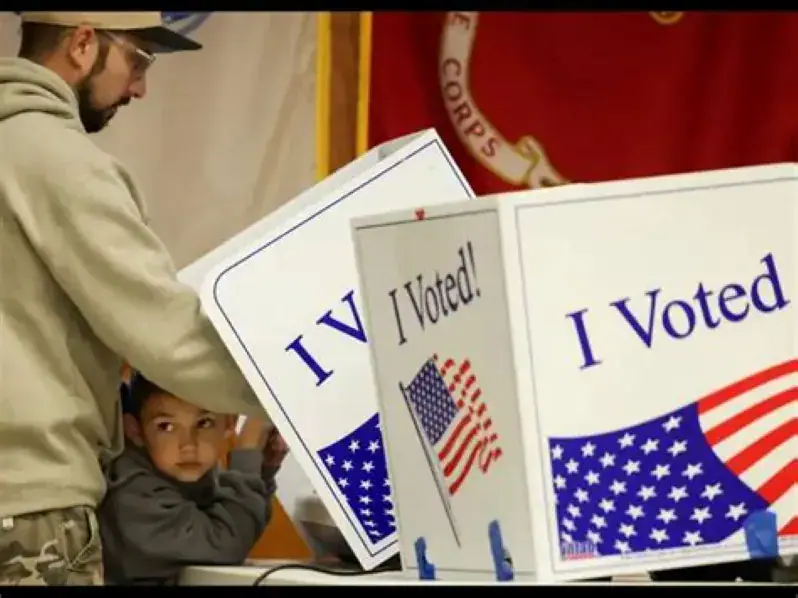
The 2026 US midterm elections have given Democrats control of Congress and key governorships, leading to increased scrutiny of data-center construction for AI computing. The elections resulted in Democrats controlling both the House and Senate, while Republicans retained the White House, creating a divided federal government. This shift in power is expected to lead to heightened congressional oversight of technology infrastructure. Lawmakers are likely to push for stronger community consultation, environmental disclosures, and protections for electricity consumers in new data-center projects.
The Democratic gains have already led to proposed legislation aimed at regulating data-center construction. Senators Bernie Sanders and Alexandria Ocasio-Cortez have introduced a bill to pause new data-center approvals until safeguards for AI infrastructure are in place. This reflects growing political pressure on the sector to address concerns about the environmental and community impacts of large data centers. The bill's prospects are uncertain, however, given the divided government.
The proposals face a presidential veto from President Donald Trump, who retains that authority. This means that any sweeping federal restrictions on data-center construction would require bipartisan agreement. In the absence of federal action, state-level initiatives are likely to take center stage. Democrat Gina Hinojosa, who won the Texas governorship, has pledged a moratorium on new data-center permits until state legislation strengthens community and consumer protections.
Texas is a significant player in the data-center industry, hosting about a quarter of the projected US data-center capacity by 2030. The state's new administration is likely to create uncertainty for developers awaiting land approvals or grid connections. Similarly, in Georgia, Democrat Keisha Lance Bottoms' capture of the governor's office may lead to project delays in Atlanta, which has become a hotbed for data-center construction.
Local ballot measures across ten states addressed data-center development, with 28 proposals seeking restrictions. However, voters rejected all but one of these proposals, underscoring community resistance to large facilities. This resistance is likely to continue, driving lawmakers to consider more stringent regulations on data-center construction.
Energy policy is also a key area of focus, with the GRID Savings Act introduced by Senator Martin Heinrich aiming to prevent ordinary electricity customers from bearing the cost of grid upgrades required by massive AI data centers. This legislation reflects concerns about the impact of data centers on the grid and the need for more equitable distribution of costs.
Analysts at Goldman Sachs estimate that temporary halts linked to Democratic gains could jeopardize roughly 45% of planned US data-center capacity expansion. Despite this uncertainty, demand for AI computing remains robust, driving the need for more data centers. As the regulatory landscape evolves, data-center developers will need to navigate a complex web of federal and state regulations.
Key points
- Democrats' midterm wins may lead to tighter rules on data-center construction for AI computing.
- Proposed legislation aims to pause new data-center approvals until safeguards for AI infrastructure are in place.
- State-level initiatives are likely to play a significant role in regulating data-center construction.