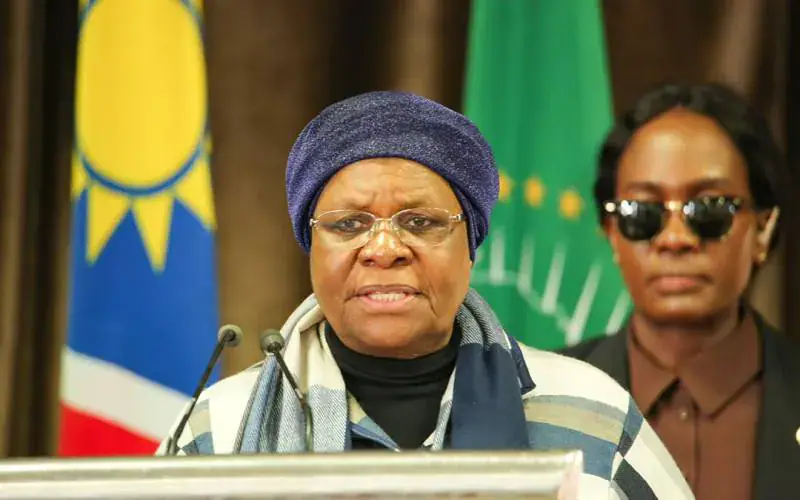
President Netumbo Nandi-Ndaitwah has expressed disappointment with beneficiaries of Namibia's fishing empowerment programme, accusing them of selling off the rights entrusted to them. This has allowed the industry to return to the hands of established fishing companies, undermining government efforts to increase participation in the lucrative sector. Speaking at a community meeting in Swakopmund, Nandi-Ndaitwah said fishing quotas had been distributed to Namibians across the country, but the intended beneficiaries ultimately sold their interests.
The President's remarks come amid renewed government scrutiny of ownership, quota allocations, and the extent to which ordinary Namibians actually benefit from the country's fishing resources. Her comments have raised questions about the effectiveness of Namibia's post-independence fishing empowerment programme, which sought to increase Namibian participation in an industry historically dominated by established operators. The programme aimed to decentralize the fishing industry, but it appears that the intended beneficiaries have not been able to sustain their interests.
Nandi-Ndaitwah said the government was now moving away from individual quota allocations, arguing that dwindling fish stocks made the existing arrangement increasingly difficult to sustain. The government is exploring a new allocation model, where quotas will belong to the industry as a whole, rather than individual beneficiaries. This move aims to ensure that the industry is more sustainable and that communities benefit from the country's fishing resources.
The President also questioned whether giving economically disadvantaged Namibians access to valuable resources necessarily translated into meaningful empowerment. She warned that poverty could leave beneficiaries vulnerable to selling their assets cheaply, undermining the government's efforts to empower them. Nandi-Ndaitwah noted that many Namibians are too poor to be given assets, as they may sell them cheaply, returning the country to square one.
The issue of fishing quotas and empowerment has been a contentious one in Namibia, with concerns about vulnerable quota beneficiaries being exploited. In May 2025, fisheries minister Inge Zaamwani acknowledged that some people listed as shareholders received no meaningful economic benefit. The Fishrot corruption scandal, which exposed alleged manipulation of fishing rights and the diversion of millions of dollars, has also raised concerns about the industry's governance.
The government's proposed new allocation model aims to address these concerns, but it has not yet been clarified. The President's comments have sparked debate about the effectiveness of the fishing empowerment programme and the need for a more sustainable and equitable model. The government will need to balance the interests of different stakeholders, including established fishing companies, communities, and individual beneficiaries.
The outcome of the government's review of the fishing empowerment programme will be crucial in determining the future of the industry. The programme's success will depend on its ability to ensure that ordinary Namibians benefit from the country's fishing resources, rather than just a few established operators. The government's new allocation model will need to be carefully designed and implemented to achieve this goal and ensure that the industry is sustainable and equitable.
Key points
- President Netumbo Nandi-Ndaitwah accuses beneficiaries of selling fishing quotas, undermining government efforts to broaden participation in the industry.
- The government is moving away from individual quota allocations due to dwindling fish stocks and is exploring a new allocation model.
- The President questions whether giving economically disadvantaged Namibians access to valuable resources necessarily translates into meaningful empowerment.
Reporting sources
- ‘They sold the fishing industry’ – NNN · Windhoek Observer