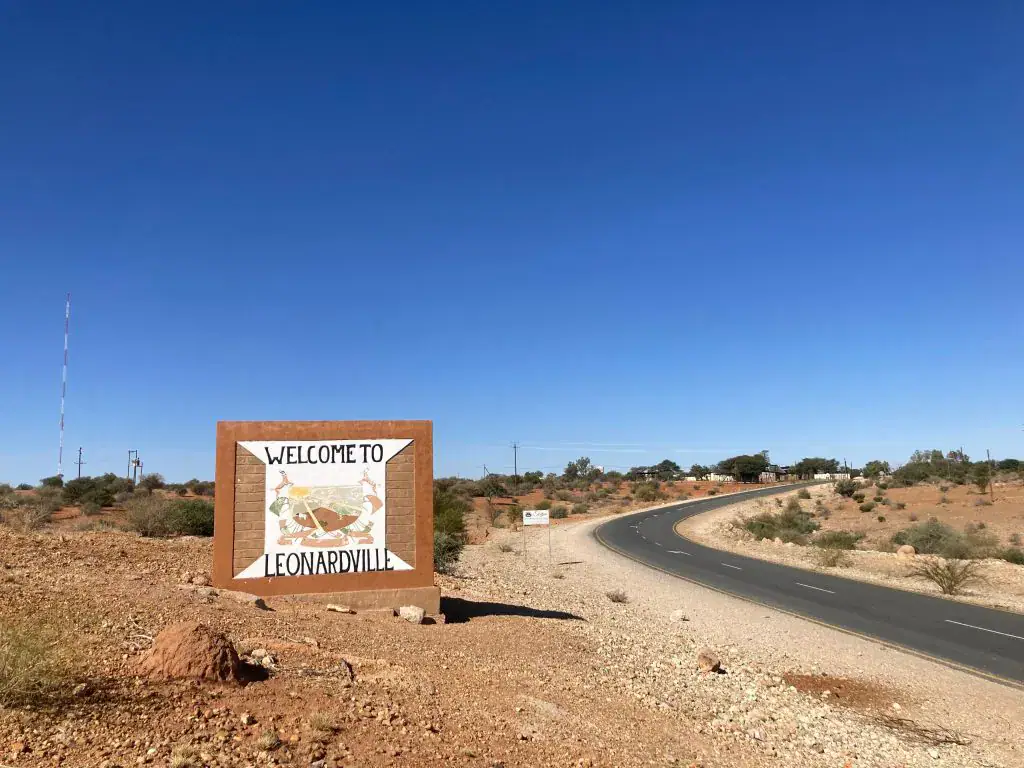
The Namibian government has given the green light to Rosatom's Leonardville uranium project, according to reports from Russian media. The project, located in the Omaheke region, will be operated by Rosatom's subsidiary, Headspring Investments Namibia. The in-situ leach mining method, which involves dissolving uranium found in rocks using chemicals, has been approved by the International Atomic Energy Agency (IAEA). This method is a departure from traditional uranium mining, which involves digging and removing rocks.
Rosatom chief executive Alexei Likhachev confirmed that the project had received approval to commence operations. He made the announcement at the Russia-Africa summit, where he revealed that an IAEA delegation had visited Namibia to assess the project's safety and environmental impact. The IAEA's approval of the in-situ leach mining method is seen as a significant endorsement of the project's viability.
The Leonardville project has been mired in controversy due to its location above the Stampriet aquifer system. Local farmers have expressed concerns that the mining process could contaminate the aquifers, posing a risk to their livelihoods and the environment. The project has sparked heated debate in Namibia, with some arguing that the economic benefits of the project outweigh the potential risks, while others claim that the risks are too great to ignore.
Despite the controversy, Rosatom is pushing ahead with the project, which is expected to contribute significantly to Namibia's economy. The company has invested heavily in the project, and Likhachev has expressed confidence that it will be a success. The project's approval is seen as a major coup for Rosatom, which has been expanding its presence in Africa in recent years.
The Namibian government has not released details of the project's expected output or timeline, but it is believed that production will begin soon. The project is expected to create jobs and stimulate economic growth in the Omaheke region, which has been identified as a key area for development. The government has promised to monitor the project's environmental impact closely and ensure that it is operated safely.
Environmental groups have expressed concerns about the potential risks associated with in-situ leach mining. They argue that the process can have unintended consequences, such as contaminating groundwater and soil. The IAEA's approval of the method has not alleviated these concerns, and critics argue that the agency's assessment was limited in scope.
The approval of the Leonardville project marks a significant development in Namibia's mining sector. The country has significant uranium reserves, and the project is expected to contribute to the country's economic growth. However, the controversy surrounding the project highlights the need for careful planning and regulation of mining activities to ensure that they are operated safely and sustainably.
Key points
- The Namibian government has approved Rosatom's Leonardville uranium project, which will use in-situ leach mining to extract uranium from rocks.
- The project has been controversial due to its location above the Stampriet aquifer system, with farmers raising concerns about the potential for contamination.
- The International Atomic Energy Agency (IAEA) has approved the in-situ leach mining method, which will be used at the Leonardville project.