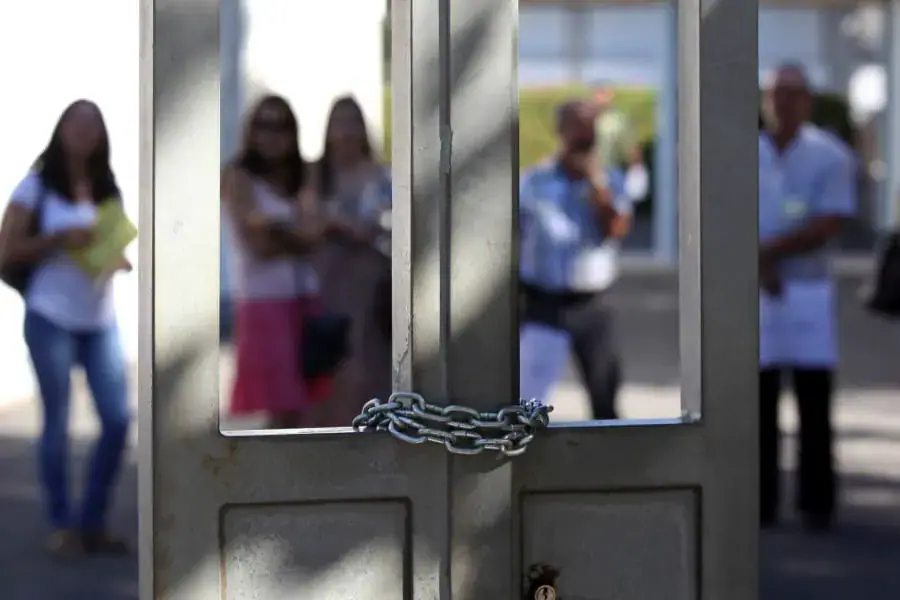
A nationwide strike by public administration workers in Cabo Verde began at 00:00 on November 2, 2026, and was still ongoing at 09:00, with approximately 60% participation reported in the education and health sectors. The strike, called by the National Union of Workers in Services and Public Entities (STTS), affected various parts of the country, including the islands. Many schools and some health centers were closed, and consultations were postponed.
According to Mário Rui, president of STTS, the strike was mainly affecting the health and education sectors. He stated that in Unidades Locais de Saúde (ULS), minimum services were being maintained, including chemotherapy, immunotherapy, hemodialysis, and blood donation services. Rui added that they were still receiving data from various sectors and would provide more concrete information about the strike later.
The strike, which is set to end at 23:59 on November 2, 2026, covers the central, regional, and local administration. The STTS had called for the strike to press for several demands, including the introduction of a meal card for public administration employees, with a daily value of 10.20 euros, exempt from tax. This demand is to be negotiated through a Collective Agreement for Public Employers (ACEP).
Another key demand of the STTS is the revision of the Integrated System for Management and Evaluation of Performance in Public Administration (SIADAP). The union wants the system to allow employees to retain points obtained in temporary contracts and when changing careers or categories. Additionally, the STTS is advocating for a risk allowance for Technical Auxiliary Health workers.
The union also seeks a review of the Collective Agreement applicable to public business entities and the hiring of more personnel. Mário Rui stated that they would provide more information on the strike's impact and participation rates as more data becomes available.
The strike's effects were being felt across the country, with many schools closed and medical consultations postponed. However, essential services, particularly in the health sector, were being maintained. The STTS had been pushing for these demands for some time, and the strike is seen as a significant action by the union.
The situation remains fluid, with workers and the union waiting for a response from the government regarding their demands. The strike's impact on the country's services and the government's response will be closely watched in the coming days. The STTS and the government have not yet commented on potential negotiations or agreements.
Key points
- The strike by public administration workers in Cabo Verde has achieved significant participation, particularly in the education and health sectors.
- The STTS is demanding a meal card for public administration employees, with a daily value of 10.20 euros, exempt from tax.
- Essential services, particularly in the health sector, are being maintained during the strike.