The diplomatic relationship between the United States and Southern African nations is under strain. US ambassadors in Namibia and South Africa have been accused of overstepping their bounds and engaging in bullying tactics. In Namibia, US Ambassador John Giordano was recently turned away at a closed-door policy forum in Walvis Bay after attempting to gain entry without an official invitation. This incident highlights the growing tensions between the US and Namibia.
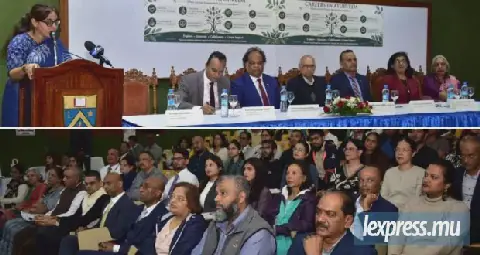
The US ambassador to South Africa, Leo Brent Bozell III, has been formally reprimanded three times in nine months for his public criticism of the South African government. Bozell has declared that the US has "run out of patience" with South Africa's economic and legislative policies, and has issued public threats backed by unilateral US visa restrictions. This approach has been condemned as extortionate and a violation of national self-determination.
The diplomatic strain between the US and Namibia and South Africa is linked to their independent foreign policies. Namibia's support for Cuba, rooted in a history of liberation struggle solidarity, is a persistent thorn in Washington's side. South Africa's refusal to surrender its global moral authority, including its lead in championing international humanitarian law, has also drawn US ire.
The relationship between Namibia and South Africa is deeply intertwined, with a shared history of complex cross-border administration and a joint struggle against apartheid oppression. The liberation movements that now govern both countries fought together and emerged to build a free Southern Africa. This shared history has forged a unique bond between the two nations.
The US approach ignores the reality of Namibia and South Africa's collective geopolitical DNA, formed in resistance to outside dictates. Nelson Mandela's 1990 town hall exchange with American journalist Ted Koppel and late President Dr. Hage Geingob's rebuke of a visiting German politician over the presence of Chinese nationals in Namibia highlight the region's frustration with external pressure.
The US has resorted to economic intimidation, leveraging trade mechanisms like the African Growth and Opportunity Act (AGOA) and scaling down critical humanitarian funding. This approach is reminiscent of a Cold War-era playbook of economic coercion. Southern Africa is familiar with the devastating pain of foreign interference and puppet regimes.
The situation raises questions about the US approach to diplomacy and its expectations of developing nations. The US must navigate its relationships with Namibia and South Africa with care, recognizing their strategic autonomy and intellectual independence.
Key points
- US ambassadors in Namibia and South Africa have been accused of bullying tactics.
- The diplomatic strain is linked to Namibia and South Africa's independent foreign policies.
- The US approach has been condemned as a violation of national self-determination.