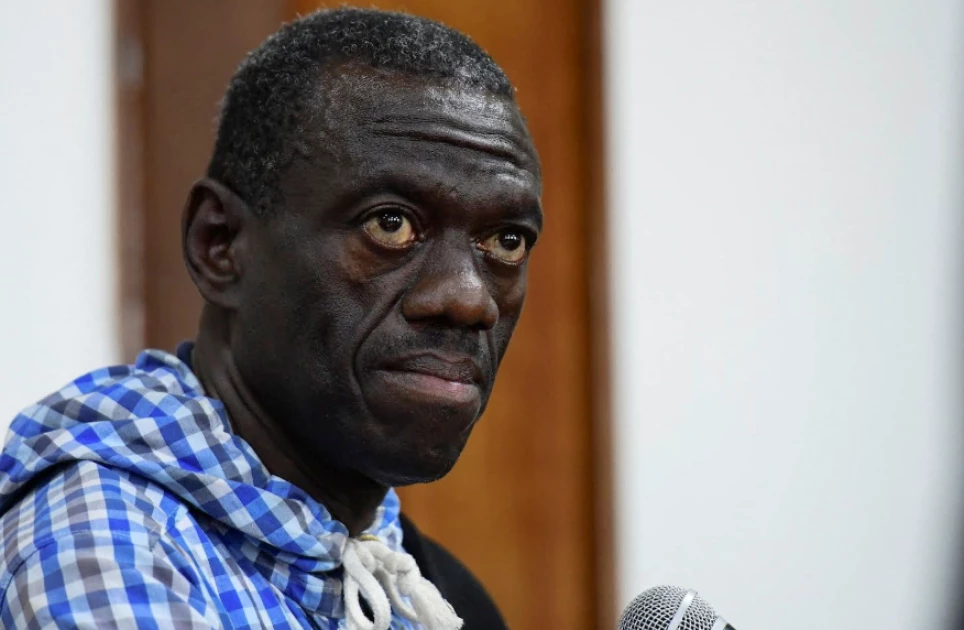
Human rights defenders in Nairobi are planning protests on Monday to demand the release of Ugandan opposition leader Kizza Besigye. Besigye was abducted in Nairobi in November 2024 and later appeared in Uganda, where he faces charges including treason and misprision of treason. The activists condemn the abduction on Kenyan soil and call for an independent inquiry into the circumstances surrounding his transfer to Uganda.
The activists also express concerns over growing political repression targeting opposition figures and human rights defenders in the East African region. They demand accountability from security agencies implicated in such cases. The development comes a day after the Ugandan High Court heard evidence linking Besigye's case to alleged meetings and activities in Kenya, including Nairobi and Kisumu.
Besigye is jointly charged with his aide, Hajji Obeid Lutale, and Uganda People's Defence Force officer Captain Denis Oola, also known as Denis Oola Ooya. The three have denied the allegations. The prosecution alleges that between 2023 and 2024, they participated in meetings in Uganda, Kenya, Greece, and Switzerland as part of a plan to overthrow President Yoweri Museveni's government by force of arms.
The prosecution's case features recordings allegedly captured during meetings involving Besigye and his associates. The court heard that the Ugandan government spent Ksh.59.32 million to have some of the recordings transcribed into written evidence. The recordings, lasting two hours, 29 minutes, and three seconds, were contained on a flash disk submitted by Uganda's Criminal Investigations Directorate.
The prosecution alleges that Besigye, Lutale, and Captain Oola participated in meetings in Uganda and abroad as part of a plan to raise funds, acquire weapons, and organise activities aimed at overthrowing the government. Treason is a capital offence in Uganda and carries a maximum sentence of death upon conviction.
The planned protests in Nairobi highlight concerns over the abduction and transfer of Besigye to Uganda. The activists argue that the incident undermines Kenya's sovereignty and raises questions about the role of security agencies in the region. The protests aim to draw attention to the case and push for an independent investigation into the circumstances surrounding Besigye's abduction and transfer.
The case has sparked a heated debate about regional security and cooperation, with many questioning the extent of Kenya's involvement in Besigye's abduction and transfer. The outcome of the protests and the court's decision on Besigye's case will likely have significant implications for the region and the fight against political repression.
Key points
- Activists in Nairobi plan protests demanding Kizza Besigye's release.
- Besigye faces treason charges in Uganda.
- The protests highlight concerns over growing political repression in the East African region.