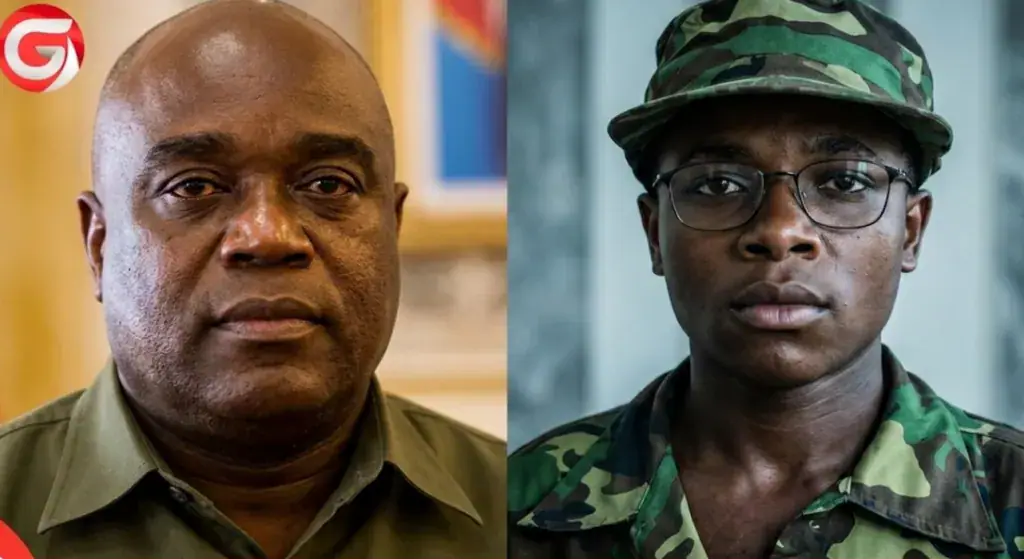
On January 16, 2001, a shocking event occurred at the Palais de Marbre in Kinshasa, Democratic Republic of Congo (DRC). President Laurent-Désiré Kabila was shot by one of his own bodyguards, Rashidi Mizele, also known as Rachidi Kasereka, inside his office. The incident stunned the nation and raised concerns about the president's security and potential conspiracies. Kabila was rushed to Ngaliema Hospital in Kinshasa for treatment, but his condition was uncertain.
According to reports, Kabila was shot in the neck and lower abdomen by Mizele, who was part of the president's security detail. Colonel Eddy Kapend, a close aide to Kabila, killed Mizele as he attempted to escape. The circumstances surrounding the assassination were unclear, and rumors spread about Kabila's condition. Some reports claimed he had died, while others stated he was still alive and receiving treatment in Zimbabwe.
On January 18, 2001, the Congolese government officially announced Kabila's death while he was in Zimbabwe. The news sparked widespread shock and raised questions about how a member of the president's security detail could carry out such an attack. An investigation was launched, and 135 people were arrested and charged with involvement in the assassination.
Mizele, a young soldier, was reportedly part of a group of young soldiers known as Kadogo, who had joined the military during the rebellion that brought Kabila to power in 1997. However, his exact age and role in the assassination remain unclear. The motives behind the killing and potential conspirators are still debated, with many questions unanswered.
The assassination led to Joseph Kabila, Laurent's son, taking over as president. He inherited a country in turmoil, with ongoing conflicts involving rebel groups and neighboring countries. The incident marked the beginning of a challenging period for Joseph Kabila, who had to navigate the complexities of Congolese politics and security.
Despite the investigation and trials, many questions about the assassination remain unanswered. The incident has become one of the most significant unsolved mysteries in African history, with speculation about potential conspirators and motives continuing to this day.
The legacy of Laurent Kabila's assassination continues to impact the Democratic Republic of Congo, with ongoing efforts to uncover the truth behind the event. The incident serves as a reminder of the complexities and challenges of African politics, where power struggles and conflicts often have far-reaching consequences.
Key points
- The assassination of Laurent Kabila raises questions about the security of African leaders and potential conspiracies.
- The incident led to Joseph Kabila taking over as president, marking a new era in Congolese politics.
- The motives behind the assassination and potential conspirators remain unclear, with many questions unanswered.